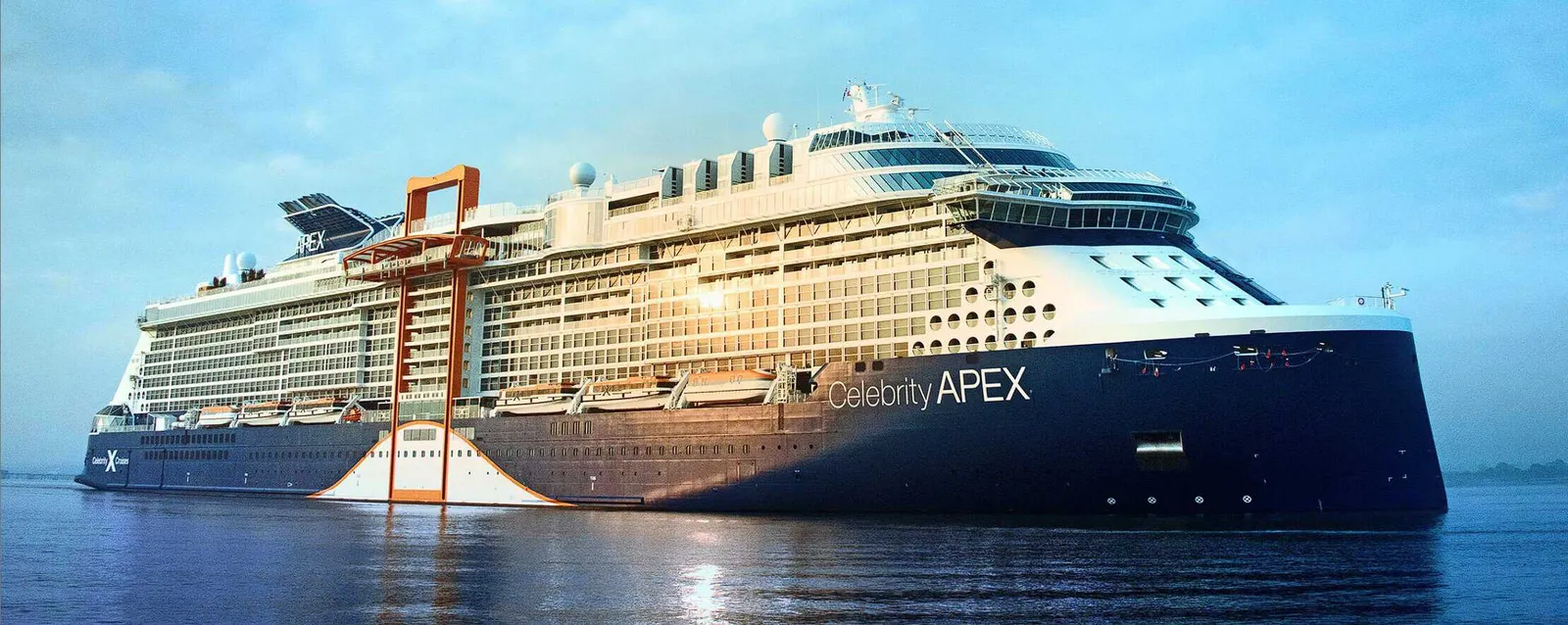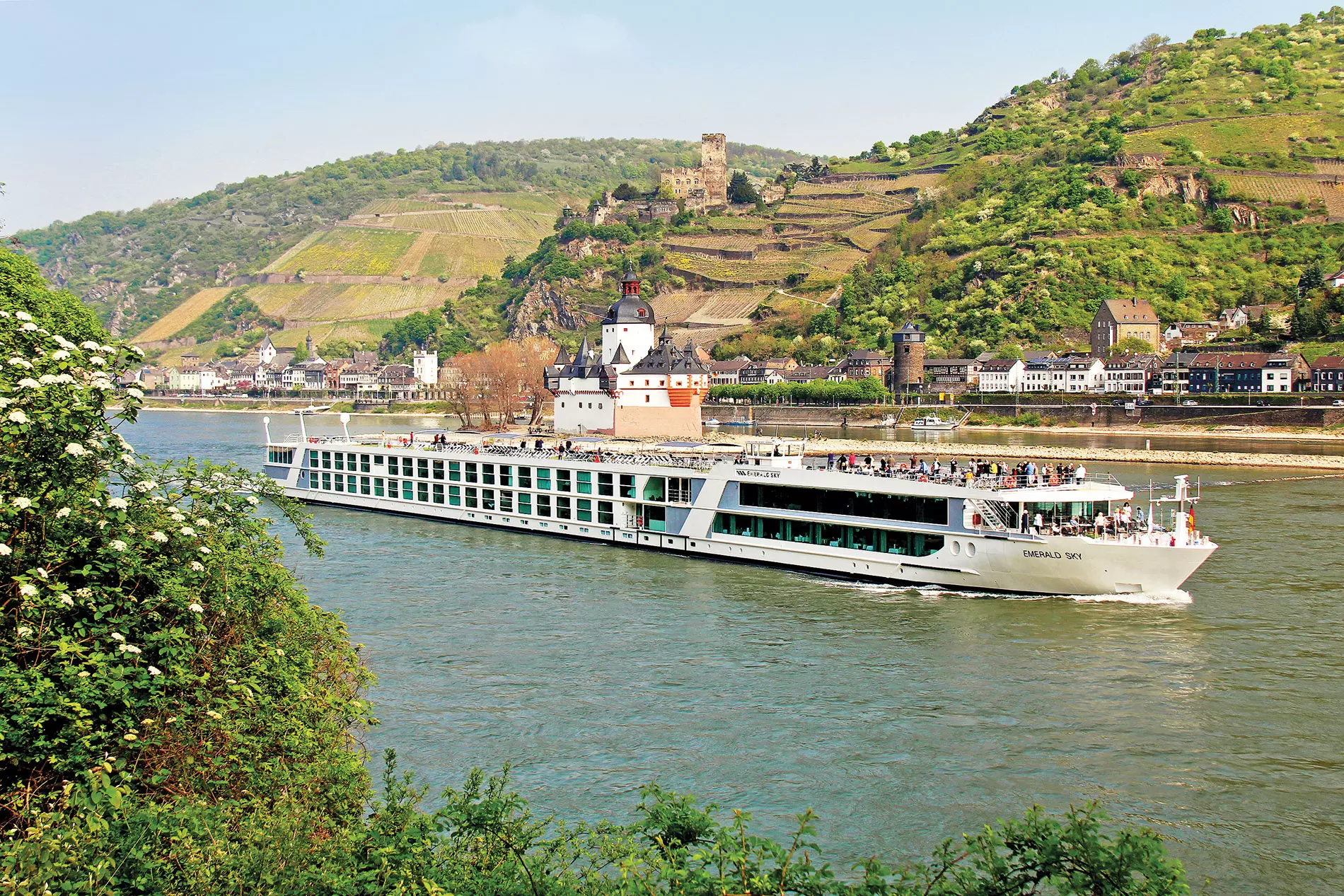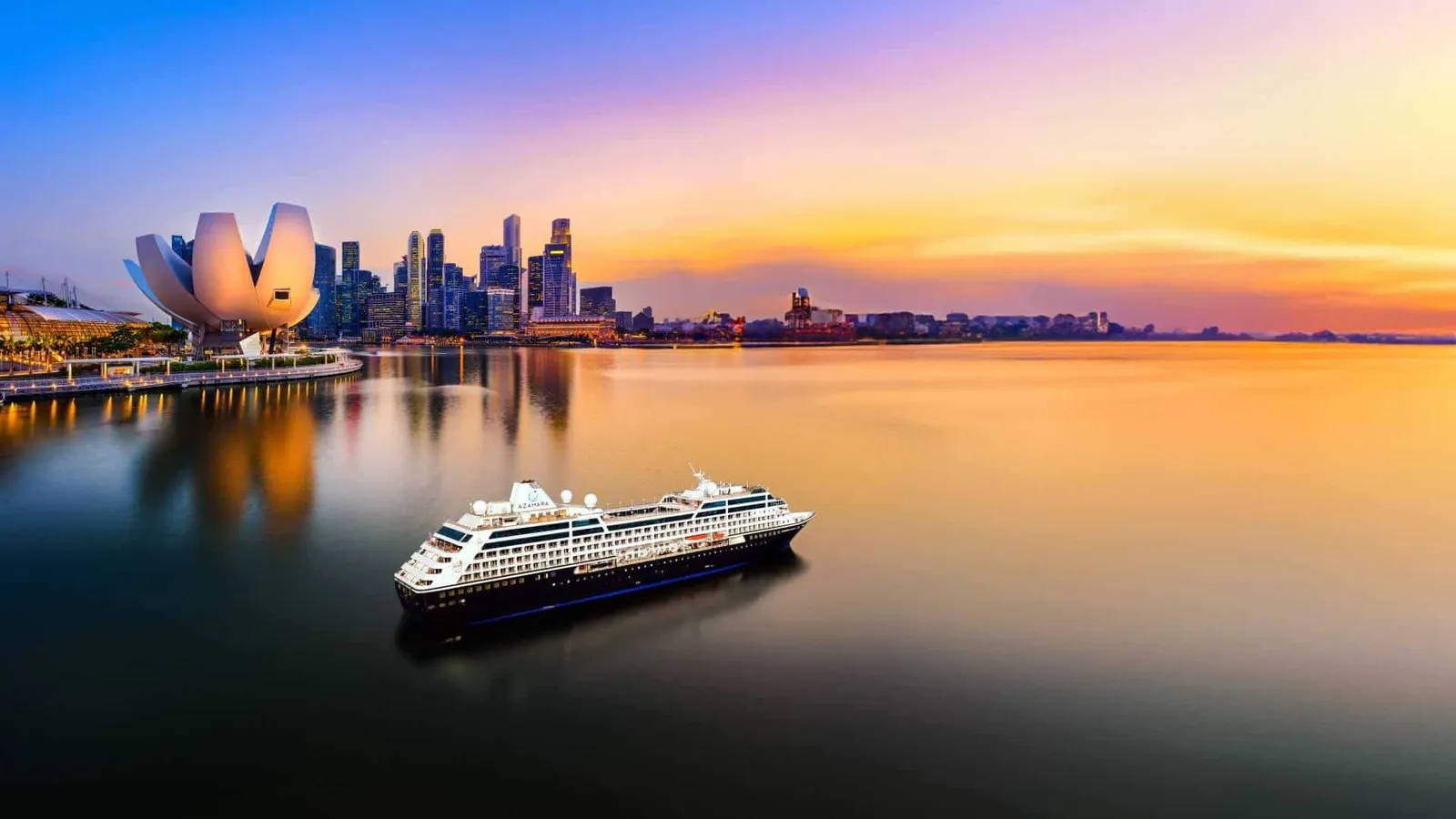
Azamara and P&O Cruises occupy entirely different corners of the cruise market — boutique destination immersion versus mainstream British heritage. For Australian travellers weighing these two, the comparison also demands clarity on a critical point: P&O Cruises Australia is gone. Jake Hower separates the brands, the products, and the value for Australians.
| Azamara Cruises | P&O Cruises | |
|---|---|---|
| Category | Luxury | Premium |
| Rating | ★★★★☆ | ★★★★☆ |
| Fleet size | 4 ships | 7 ships |
| Ship size | Small (under 1,000) | Large (2,500-4,000) |
| Destinations | Mediterranean, Asia, Northern Europe, South America | Caribbean, Mediterranean, Norwegian Fjords, Canary Islands |
| Dress code | Smart casual | Smart casual |
| Best for | Destination-immersive port-intensive travellers | British holiday-makers and families |
Azamara is the stronger choice for Australian travellers seeking cultural depth, intimate ships, and the convenience of sailing from Sydney. Its 690-guest vessels, included drinks and gratuities, overnight port stays, and dedicated Australian deployments make it a compelling upper-premium product. P&O Cruises UK delivers outstanding value for Australians visiting Britain who want to add a no-fly cruise from Southampton at a fraction of Azamara's cost. But with no Australian departures and an overwhelmingly British passenger base, P&O UK is a holiday add-on rather than a primary cruise choice. For regular cruising from home, Azamara wins decisively.
The core difference
Azamara and P&O Cruises are separated by more than price and ship size — they represent fundamentally different visions of what a cruise holiday should be. One sells the destination as the main event; the other sells a complete British holiday experience where the ship itself is a central attraction. Understanding this distinction is the starting point for any meaningful comparison.
But before we go further, a critical clarification for Australian readers: P&O Cruises Australia is not P&O Cruises UK. They shared the P&O name under Carnival Corporation’s umbrella, but they were operationally separate brands with different ships, different itineraries, and different passenger bases. P&O Cruises Australia ceased all operations in March 2025. Its ships — Pacific Adventure, Pacific Encounter, and Pacific Explorer — were either absorbed into Carnival Cruise Line or sold. They are gone from the P&O brand entirely. The P&O Cruises discussed in this comparison is the UK-based line headquartered at Carnival House in Southampton, which has never deployed regular sailings from Australian ports. If you sailed with P&O Australia and are looking for a replacement, P&O UK is a very different product that requires flying to England.
With that established, let us look at what each line actually offers.
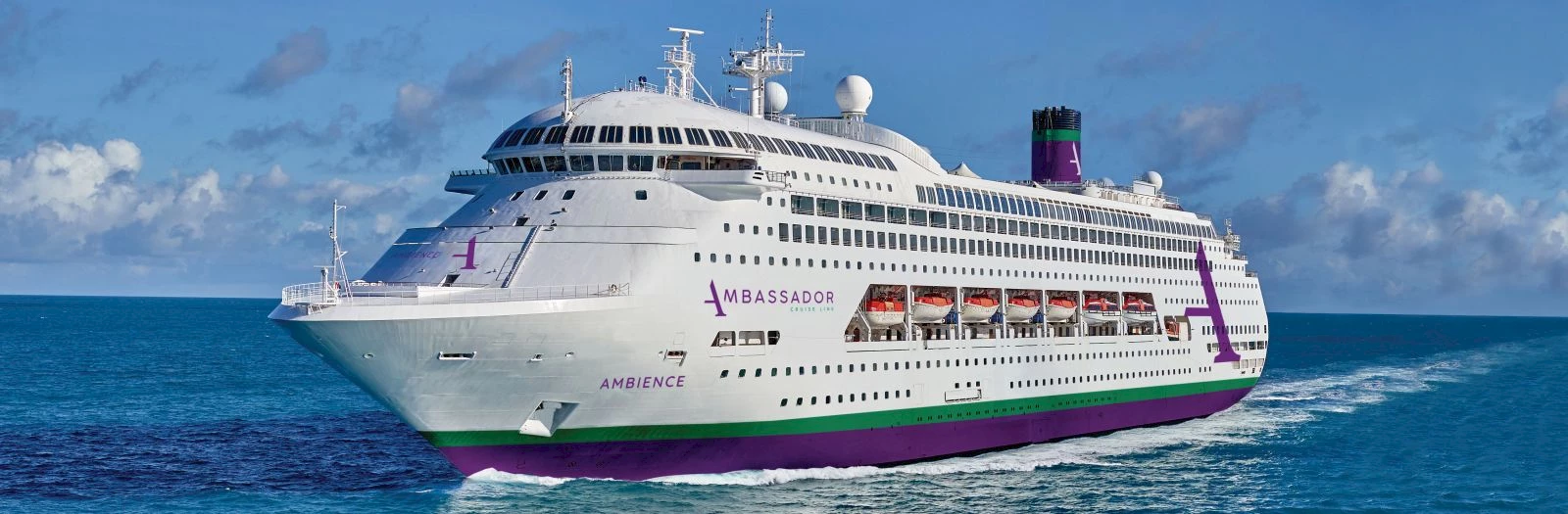
Azamara positions itself as a boutique, upper-premium line built around “Destination Immersion.” Founded in 2007 under Royal Caribbean Group and now owned by Sycamore Partners (acquired in 2021), Azamara operates four virtually identical ships carrying approximately 690 guests each — all originally built for the defunct Renaissance Cruises around the turn of the millennium. The brand philosophy is straightforward: spend more time in port than almost any other cruise line, with late-night stays and overnights comprising 51 per cent of all port time. Ships are small enough to access boutique harbours that larger vessels cannot reach. The atmosphere is intimate, adults-oriented, and culturally focused. There are no children’s clubs, no waterslides, no formal nights, and no casino. The fare includes select drinks, gratuities, and a signature AzAmazing Evening cultural event on most voyages. Azamara sits between mainstream premium lines like Celebrity and Holland America and true luxury lines like Silversea and Seabourn — a position often described as “affordable luxury.”
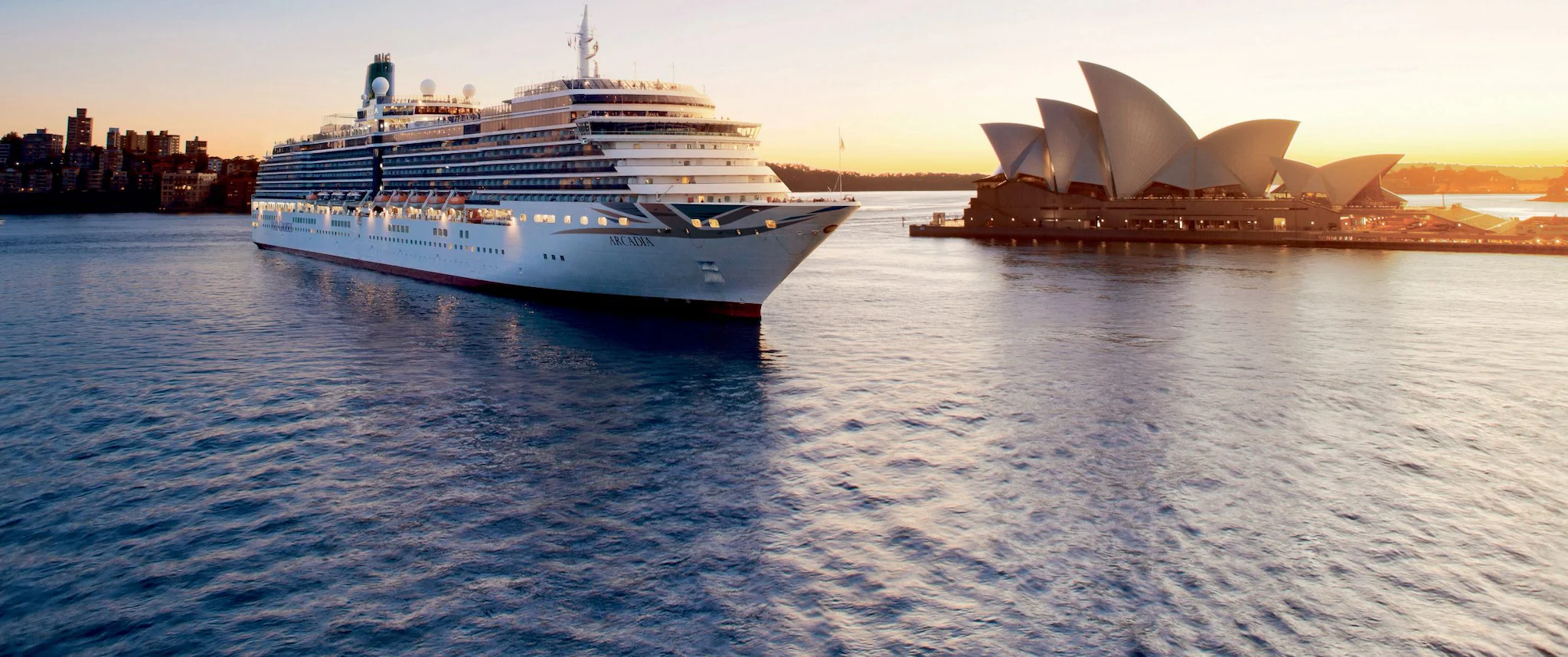
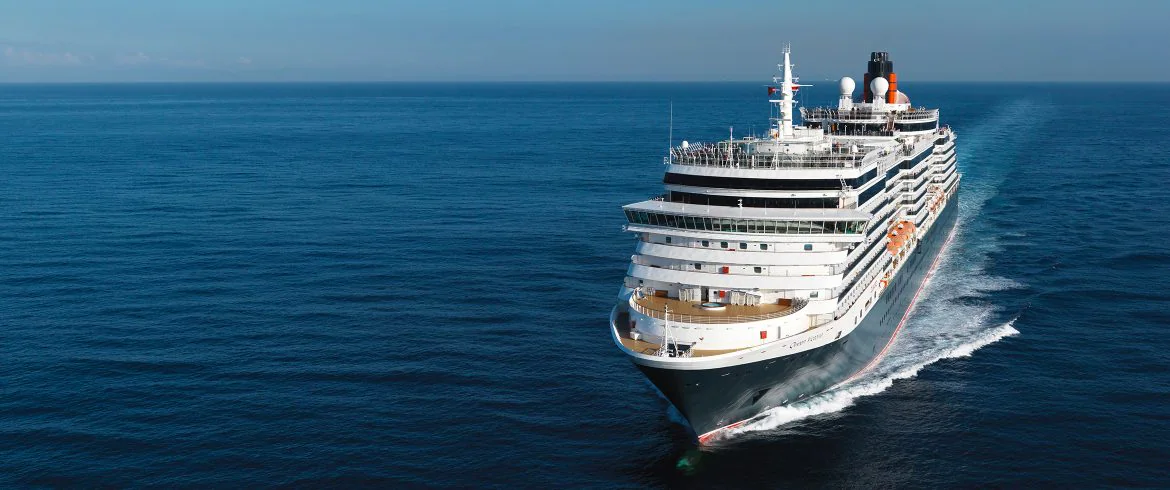
P&O Cruises is the oldest cruise heritage brand in the world, tracing its roots to the Peninsular Steam Navigation Company founded in 1837. It is quintessentially British — Union Jack livery on the funnel, proper afternoon tea, celebrity chef partnerships with Marco Pierre White and Atul Kochhar, and an entertainment programme built around West End-style musicals, SkyDome spectacles, and British comedy. The fleet of seven ships ranges from the intimate Aurora at 1,874 guests to the colossal Arvia at 5,200 guests. All sail from Southampton, making P&O a “no-fly” cruise line for UK residents. It is a mainstream-premium product — not budget, not luxury, but polished and accessible. P&O serves more British cruisers than any other line, and the onboard experience reflects this with every detail, from fish and chips in The Quays to pub quizzes and Celebration Night dress codes.
The scale difference alone tells you much of what you need to know. A single P&O mega-ship — Arvia or Iona at 5,200 guests — carries nearly double Azamara’s entire fleet capacity of approximately 2,774 guests across all four ships. Azamara’s largest ship at 704 guests is smaller than P&O’s smallest ship by a factor of nearly three. These are fundamentally different cruise experiences that happen to share the same ocean.
What is actually included
The inclusions comparison is where the price difference between these two lines begins to make sense — and where Azamara’s higher fare starts to look more reasonable.
Azamara includes in every fare: select standard spirits, international beers, a rotating selection of wines by the glass (two red, two white, one rose, one sparkling, changed regularly), bottled water, soft drinks, specialty coffees and teas; gratuities for all crew members; one AzAmazing Evening cultural event per voyage on cruises of nine nights or longer; port shuttle service where available; self-service laundry; concierge services for shore planning; all main dining venues (Discoveries Restaurant, Windows Cafe, Patio Grill, Mosaic Cafe); and 24-hour room service.
Azamara’s Veranda Plus category and above add: complimentary internet, one free bag of laundry per seven nights, one evening of specialty dining for two, complimentary in-cabin alcohol replenishment, and priority embarkation. From April 2026, the top suite categories (World Owner’s, Ocean, and Spa Suites) receive enhanced inclusions: unlimited premium alcohol including top-shelf spirits, unlimited high-speed Starlink Wi-Fi, unlimited wash-and-fold laundry, an exclusive Acamar Experience Dinner, priority embarkation, complimentary Thalassotherapy Pool access, and complimentary specialty dining at all venues.
P&O includes in every fare: all main meals (breakfast, lunch, dinner, afternoon tea, snacks); buffet dining and main dining room; complimentary continental breakfast room service; entertainment including theatre shows and live music; kids’ clubs on family-friendly ships; self-service laundrettes; gratuities (folded into the ticket price); and port taxes and fees. On the Select Price fare tier, shuttle buses at P&O ports and a choice of one perk — onboard spending money, free car parking at Southampton, or return coach travel — are also included.
P&O does not include: alcoholic and soft drinks (pay-as-you-go or package); specialty dining (typically GBP 15 to 35 per person); Wi-Fi; shore excursions; spa treatments; The Retreat adult wellness area day pass (GBP 40 per day); or Thermal Suite access (GBP 39 per day).
P&O’s new all-inclusive packages (launched December 2025, available from March 2026) change the equation meaningfully. The Classic Package at GBP 49 per person per day adds a drinks package covering select beers, wines, spirits, and cocktails, plus basic Wi-Fi and up to GBP 55 in specialty dining credit. The Deluxe Package at GBP 59 per person per day upgrades to premium spirits, unlimited Wi-Fi including streaming, and up to GBP 80 in dining credit. These represent approximately 32 to 34 per cent savings versus buying each component separately.
The practical difference is clear. Azamara’s fare is structured so that most of your daily spending is covered before you board — drinks at the pool bar, a glass of wine at dinner, and the crew gratuity are all settled. P&O’s base fare is leaner but substantially cheaper, giving you the choice to add an all-inclusive package or pay as you go. For travellers who drink moderately and value budget certainty, Azamara’s bundled approach eliminates the mental arithmetic of running tabs. For travellers who prefer a lower base cost and the flexibility to control their extras, P&O’s model makes more sense.
Dining and culinary experience
Both lines take food seriously, but the dining philosophy could hardly be more different — intimate destination-inspired cuisine on Azamara versus celebrity chef spectacle and sheer variety on P&O.
Azamara’s dining is refined and compact. Each ship features six dining venues, four included in the fare. Discoveries Restaurant is the main dining room with open seating, no assigned tables or times, and elegantly plated multi-course dinners with Mediterranean-inspired specialties. Windows Cafe is a high-quality buffet serving breakfast, lunch, and themed international dinners. The Patio transforms from a casual poolside grill by day into an al fresco sit-down restaurant by evening, with tablecloths and candles and a menu featuring grilled beef paillard, bone-in strip loin, tournedos of lamb, and salmon with pink peppercorns. Mosaic Cafe serves artisanal coffees, teas, and pastries throughout the day — all included. The Living Room offers tapas, small bites, and afternoon tea in a social lounge setting. Two specialty restaurants carry a surcharge of US$49.95 per person: Prime C (steakhouse featuring dry-aged beef) and Aqualina (Italian-Mediterranean with handmade pastas). Suite guests dine at these without surcharges.
A significant addition is coming: as part of the US$80 million Azamara Forward refurbishment programme, a new Chef’s Table restaurant will debut on Deck 10 across all ships, featuring rotating themed menus inspired by the regions visited, guest chefs, Winemaker’s Dinners, and a Market Dining Experience where local market produce is brought aboard and prepared into a multi-course menu. This deepens Azamara’s destination-dining credentials further.
P&O’s dining delivers scale, variety, and celebrity chef star power. The larger ships offer a staggering number of venues. Arvia and Iona each have over 30 dining and bar spaces. The main dining rooms — four on Iona, two on Arvia — are included, as are The Quays Food Hall (featuring Hook Line & Vinegar fish and chips, Asian Fusion, and Roast carvery), the Market Cafe buffet, and casual poolside venues. The celebrity chef programme is P&O’s flagship culinary differentiator: Marco Pierre White has designed main dining room menus fleet-wide and has a 20-plus year collaboration with the line; Atul Kochhar (Michelin-starred) created the Sindhu Indian-British fusion restaurants and the East pan-Asian restaurants on Iona and Arvia; Olly Smith curates The Glass House wine bars across the fleet; and guest appearances by Jose Pizarro, Kjartan Skjelde, and Tom Parker Bowles add further variety. Food Hero sailings feature live appearances by these chefs with Cookery Club masterclasses, book signings, and Chef’s Table dining experiences.
P&O’s specialty dining carries surcharges ranging from GBP 15 to 35 per person: Epicurean (fine dining tasting menus), Sindhu, The Keel & Cow (steakhouse), The Olive Grove (Mediterranean), and Green & Co with the Mizuhana sushi bar on Arvia. The Glass House operates as an a la carte wine bar with small plates.
The comparison comes down to what you value. Azamara offers consistently good dining in an intimate setting where 690 guests share six venues — you will never queue, you will never feel rushed, and the menus reflect where you are sailing. P&O offers celebrity-chef-curated cuisine across a vast array of venues that would take a fortnight to fully explore. If you want to attend a Marco Pierre White Cookery Club class, taste Atul Kochhar’s fusion creations, and pair wines with Olly Smith’s picks — all on the same ship — P&O delivers an experience Azamara cannot match. If you want quiet, refined meals where the chef has drawn inspiration from the port you visited that morning, Azamara is the stronger proposition.
Suites and accommodation
The accommodation philosophies reflect each line’s broader positioning — Azamara offers boutique consistency; P&O offers mass-market variety at scale.
Azamara’s cabin categories use a “Club” naming convention across seven tiers. The Club Interior starts at approximately 158 square feet with twin beds convertible to queen. Club Oceanview rooms are actually slightly smaller at around 143 square feet with a fixed picture window. Club Veranda cabins — the most popular category — offer approximately 175 square feet of interior space plus a 40-square-foot private balcony. Club Veranda Plus adds enhanced inclusions (internet, laundry, specialty dining credit) in the same physical cabin. At the suite level, Club Continent Suites provide approximately 326 square feet total with a separate sitting area, king bed, marble bathroom with soaking tub, walk-in closet, and butler service. Club Spa Suites at approximately 474 square feet total are located adjacent to the spa with a glass-enclosed spa bathtub. Club Ocean Suites range from 650 to 734 square feet with separate living room and bedroom. The Club World Owner’s Suite — only two per ship — tops out at approximately 836 square feet with the largest private veranda onboard, flat-screen televisions in both living room and bedroom, and full butler service.
Every Azamara stateroom includes daily fresh fruit, bottled water, fresh flowers, terry bathrobes and slippers, binoculars, umbrellas, and shoeshine service. Suite guests receive dedicated butler service including priority check-in, luggage delivery, packing and unpacking assistance, in-suite afternoon tea, and personal errand service.
The Azamara Forward refurbishment will add a new Penthouse Suite Deck on Azamara Quest — a Deck 11 constructed above the bridge, comprising 10 Grandview Suites at 243 square feet and 2 Panorama Suites at 656 square feet with 270-degree views. These will be the premium accommodations in the fleet when they debut in late 2026.
P&O’s accommodation spans a wider range to serve its broader market. Inside cabins start from 101 square feet on older ships; sea view cabins range from 210 to 307 square feet; balcony cabins on the newer Excel-class ships (Iona, Arvia) are on the smaller side at approximately 142 to 279 square feet — a common point of criticism. Five suite categories are available: Standard Suites (382 to 698 square feet including balcony), Mini Suites, Conservatory Mini Suites on Iona and Arvia with bi-folding doors that fully open to the balcony, Family Sea View Suites sleeping up to four guests, and Penthouse Suites on Aurora, Azura, and Ventura reaching up to 937 square feet. All suite categories include butler service, priority embarkation, Epicurean Restaurant breakfast access, complimentary room service from the main dining menu, whirlpool bath, luxury toiletries, champagne on arrival, and a Nespresso coffee machine.
The key difference for most travellers is not the suites — both lines deliver a good suite product — but the standard cabins. Azamara’s veranda cabins at 215 square feet total are spacious relative to the ship’s size, and the intimate vessel means you are never far from anything onboard. P&O’s balcony cabins on Iona and Arvia can feel tight, and the sheer size of the ships means longer walks between your cabin and dining, entertainment, or the pool deck. On P&O’s older, smaller ships — Aurora and Arcadia — the cabin experience is more traditional and, in many cases, more generously proportioned.
Pricing and value
The price gap between Azamara and P&O is substantial, and any honest comparison must acknowledge that these are fundamentally different products at different price points.
Azamara’s directional pricing for a 7-night Mediterranean cruise: a Club Interior cabin starts from approximately US$150 to 250 per person per night; a Club Veranda from approximately US$200 to 350 per person per night; a Club Continent Suite from approximately US$350 to 600 per person per night. These fares include select drinks, gratuities, and the AzAmazing Evening event. Current promotions include an early booking bonus of 30 per cent off cruise fares and a February Flash Sale offering up to 15 per cent off for select 2026 and 2027 sailings.
P&O’s directional pricing for a 7-night Norwegian Fjords cruise from Southampton: an inside cabin starts from approximately GBP 107 per night per person (around AUD 205); a balcony from approximately GBP 131 per night (around AUD 250). A 14-night Spain, Portugal, and Canary Islands itinerary drops to approximately GBP 79 per night for an inside cabin. Longer sailings consistently deliver lower per-diems — the 100-night Arcadia world cruise prices from approximately GBP 108 per night. Adding the new all-inclusive Classic Package adds GBP 49 per person per day; the Deluxe Package adds GBP 59.
The direct comparison on a Mediterranean balcony cabin looks roughly like this: Azamara at approximately AUD 600 to 900 per person per night (drinks, gratuities, and cultural events included) versus P&O at approximately AUD 200 to 250 per person per night (gratuities included; drinks extra). Add P&O’s all-inclusive upgrade and you reach approximately AUD 300 to 350 per night. Azamara remains two to three times more expensive even with the all-inclusive comparison.
But this is not a fair like-for-like comparison, and I do not present it as one to clients. Azamara’s 690-guest ship with a 1:1.7 crew-to-guest ratio, included drinks all day, overnight port stays, and an exclusive cultural event is a categorically different product from a 5,200-guest P&O mega-ship with pay-as-you-go drinks and standard port times. The value question is not “which is cheaper” — it is obviously P&O — but “which delivers more of what you personally value per dollar spent.” For a well-travelled couple seeking cultural depth and intimate service, Azamara’s premium is justified. For a couple or family wanting a polished mainstream cruise at a sensible price, P&O’s value proposition is hard to beat.
Spa and wellness
Both lines offer full-service spas, but Azamara’s intimate scale creates a meaningfully different wellness experience from P&O’s larger facilities.
Azamara’s Sanctum Spa occupies Deck 9 on all four ships, operated by Steiner with Elemis products. Treatment rooms offer massages (hot stone, deep tissue, Swedish), acupuncture, facials, body sculpting, and medispa treatments. Separate male and female changing rooms include showers and steam rooms, with a dedicated relaxation lounge. The Sanctum Spa Terrace is the outdoor wellness highlight — an exclusive deck with loungers, shaded daybeds, a canopied area, and a Thalassotherapy pool with massaging jets. Access is complimentary for suite guests; other guests can purchase a day pass at US$24 or a cruise pass at US$100 per person (US$160 per couple). The fitness centre features floor-to-ceiling windows, free weights, machines, cardio equipment, and complimentary group classes including yoga on deck, Pilates, cycling, and core workouts. One swimming pool and two whirlpool hot tubs round out the outdoor facilities.
P&O’s Oasis Spa is substantially larger on the Excel-class ships, spanning two decks on Iona and Arvia. The Thermal Suite includes heated loungers, a sauna, sensory steam room with salt brine solution, experiential showers, and a hydrotherapy pool with massaging jets — available at GBP 39 per day or GBP 129 per week. Treatment pricing runs from GBP 89 for a 50-minute Swedish massage to GBP 199 for specialty treatments. The Retreat on Deck 18 of Iona and Arvia is an adult-only outdoor wellness area with two infinity whirlpools overlooking the sea, private cabanas, daybeds, hammocks, and complimentary smoothies and fruit platters — available at GBP 40 per day or GBP 145 for seven nights. The gym offers floor-to-ceiling ocean views with free classes in HIIT, functional training, and meditation, while yoga, Pilates, and spin classes carry a GBP 14 to 15 surcharge.
The spa comparison favours neither line universally. P&O’s Oasis Spa on the newer ships is the larger, more impressive facility — the Thermal Suite and The Retreat are genuinely excellent spaces. But Azamara’s Sanctum Spa benefits from the intimate ship environment: fewer guests competing for treatment slots, a quieter atmosphere, and a spa terrace that never feels crowded. For travellers who use spa facilities daily, the question is whether you prefer scale and variety (P&O) or exclusivity and calm (Azamara).
Entertainment and enrichment
This is where these two lines diverge most dramatically, and where personal preference matters more than any objective quality measure.
Azamara’s entertainment is destination-centric and culturally oriented. The headline programme is AzAmazing Evenings — complimentary, exclusive shoreside cultural events available on nearly every cruise of nine nights or longer. These might be a private performance in a historic amphitheatre, a cultural celebration in a temple, or a concert in a glacial setting. Thirty-five new AzAmazing Evenings are announced for 2026, the most in the line’s history. The Destination Immersion Elevated programme, launched in May 2025, adds over 250 Destination Speakers (native to the regions visited), “Stories Under the Stars” fireside poolside evenings, and onboard performances by local entertainers from ports visited. The Cabaret Lounge hosts nightly live performances including musical revues, classical soloists, live bands, and comedians — intimate and sophisticated rather than spectacular. The Living Room offers live acoustic music, destination talks, and cocktail hours. There are no waterslides, no rock climbing walls, no casinos, and no West End musicals. The signature White Night deck party — where everyone dresses in white for an outdoor dinner and dancing under the stars — captures the line’s social, informal ethos.
P&O’s entertainment is large-scale, British-flavoured, and impressively diverse. The Headliners Theatre on all ships hosts West End-style production shows, with the exclusive “Greatest Days — The Official Take That Musical” on Arvia. The SkyDome on Iona and Arvia is P&O’s signature entertainment innovation — a retractable glass-roof venue hosting open-air cinema, acrobatic shows, aerial acts, late-night DJ sets, and cocktail parties. It has no equivalent on any other UK cruise line and is widely praised by passengers. The 710 Club offers adults-only live music and vintage cocktails. Multiple bars across 30-plus spaces on the largest ships provide live pianists, ensembles, and themed party nights. Family entertainment includes kids’ clubs by age group, a teen zone, an escape room, mini golf, pools, and waterslides. The Cookery Club on Britannia is a fully equipped teaching kitchen with classes led by celebrity chefs.
P&O also maintains the traditional British dress code with Celebration Nights (formal evenings) where black tie, tuxedos, or evening gowns are expected. A 7-night cruise has at least one formal night; longer voyages have two to four. Azamara has no formal nights whatsoever — resort casual every evening, every sailing.
The entertainment divide mirrors the broader brand philosophies. If you want the port to be your entertainment — spending your evening wandering a Mediterranean village where the ship stays until midnight rather than watching a show — Azamara delivers that through its late-night and overnight stays. If you want diverse onboard entertainment that could fill every evening for a fortnight — musicals, acrobatics, comedy, cooking classes, DJ sets, and formal-night glamour — P&O provides options that a 690-guest ship simply cannot replicate.
Fleet and destination coverage
The fleet comparison tells you immediately what kind of cruise line you are dealing with.
Azamara operates four ships, all virtually identical R-class vessels built between 1999 and 2001 by Chantiers de l’Atlantique in Saint-Nazaire for the defunct Renaissance Cruises. They are sister ships to Oceania’s Regatta, Nautica, and Insignia. Each displaces 30,277 gross tonnes, carries approximately 690 to 704 guests in 349 to 352 staterooms, and is crewed by approximately 390 to 400 staff. All four underwent refurbishment in the second half of 2024, and the US$80 million Azamara Forward programme will further refresh all ships through 2029, beginning with Azamara Quest in late 2026. No new-build orders have been announced. Azamara’s total fleet capacity across all four ships is approximately 2,774 guests.
P&O operates seven ships spanning two decades of shipbuilding, from the 76,152 gross tonne Aurora (built 2000) to the 184,700 gross tonne Arvia (built 2022). The two Excel-class ships, Iona and Arvia, are powered by liquefied natural gas, carry 5,200 guests each, and feature 19 decks. Britannia at 143,000 gross tonnes carries 3,647 guests. Ventura and Azura serve the mid-fleet at approximately 115,000 to 116,000 gross tonnes. Arcadia and Aurora are the smaller, more intimate vessels — and currently the adults-only ships, though from December 2026 both will welcome families on select sailings. P&O’s total fleet capacity is approximately 24,315 guests — nearly nine times Azamara’s entire fleet.
Destination coverage overlaps in the Mediterranean, Northern Europe, British Isles, Caribbean, and Canary Islands. The differences are significant. Azamara sails worldwide: Asia (including Japan cherry blossom sailings), Africa (circumnavigation with Madagascar, Seychelles, Mauritius), South America (Patagonia, Amazon), Alaska (expanded 10-voyage programme for 2026 with Cruisetour land packages), the Middle East, and Australia and New Zealand — plus annual world voyages and transoceanic crossings. Azamara’s small ships can access boutique ports that P&O’s mega-ships cannot reach, and the line’s Extended Destination Days (10-plus hours in port) and overnight stays create a fundamentally different relationship with each destination.
P&O’s deployment is overwhelmingly Southampton-centric. Norwegian Fjords, Mediterranean, Canary Islands, British Isles short breaks, and Caribbean fly-cruises from Barbados form the core programme. World cruises are a proud P&O tradition — Arcadia’s 100-night “Epic World Explorer” in 2026 crosses six continents with 28 ports. But P&O does not regularly sail to Asia, Africa, South America, or Alaska. For Australians wanting to cruise these regions, Azamara offers itineraries that P&O does not.
Where each line excels
Azamara excels in:
- Destination immersion. With 51 per cent of port time involving late nights or overnights, 28 double-overnight stays fleet-wide, and Extended Destination Days offering 10-plus hours in virtually every port, Azamara delivers more time ashore than almost any other cruise line. When your ship stays overnight in Seville, Ho Chi Minh City, or Hamilton Bermuda, you experience the destination as a resident rather than a visitor.
- Intimate scale. Six hundred and ninety guests with a 1:1.7 crew-to-guest ratio means genuinely personalised service. Crew members learn your name. You never queue for a restaurant, a tender, or a sun lounger. The atmosphere is club-like — many repeat guests describe it as “coming home.”
- Included value. Drinks, gratuities, AzAmazing Evenings, port shuttles, and self-service laundry are all in the fare. You know your cost before you board.
- Boutique port access. Ships at 30,277 gross tonnes dock at ports that 185,000-tonne mega-ships cannot reach — and Azamara actively seeks these out, with 25 new ports added for 2025/26 and eight maiden calls.
- Global itinerary range. From Japan to Patagonia, Africa to Alaska, Australia to the Arctic — Azamara covers regions P&O does not serve.
P&O excels in:
- Value for money. Starting from approximately GBP 79 per night per person for an inside cabin on a 14-night itinerary, P&O delivers a polished cruise at a mainstream price. The new all-inclusive packages add meaningful value flexibility.
- Celebrity chef dining. Marco Pierre White’s 20-plus year collaboration, Atul Kochhar’s Sindhu and East restaurants, Olly Smith’s Glass House wine bars, and Food Hero sailings with live chef appearances create a culinary programme that trades on genuine star power.
- Large-ship entertainment. West End musicals, SkyDome spectacles, open-air cinema, comedy nights, and DJ sets across 30-plus venues provide diverse evening entertainment that small ships cannot replicate.
- Family cruising. Five of seven ships welcome families with full kids’ club programmes, teen zones, pools, waterslides, and family suites. P&O is the UK’s leading family cruise line.
- No-fly convenience from Southampton. For travellers already in the UK, P&O eliminates the need for flights — drive to Southampton and board. This is a massive advantage for UK-based cruisers and Australians visiting England.
- World cruise heritage. P&O’s annual world cruises are a proud tradition dating back decades, with the 100-night Arcadia voyage representing classic ocean liner heritage.
Standout itineraries for Australian travellers
Azamara
22-Night Australia and Indonesia (Azamara Onward or Pursuit, Sydney to Singapore, February 2026). This is the itinerary that gives Azamara its decisive Australian advantage — board in Sydney, no international flights required, and cruise through Melbourne, Perth/Fremantle, and Bali en route to Singapore. Extended port stays and Azamara’s destination immersion approach make this far more than a repositioning voyage.
21-Night Australia Intensive Voyage (Singapore to Melbourne, December 2025). An intensive exploration of the Australian coastline from an international starting point, arriving in Melbourne for pre-Christmas. Azamara’s small ships access ports that P&O’s larger vessels cannot.
21-Night Australia and Asia (Sydney to Hong Kong, via Cairns, March 2026). A northbound voyage from Sydney through tropical Australia into Southeast and East Asia. The combination of Cairns, Great Barrier Reef-adjacent ports, and Asian destinations in a single sailing is compelling.
World Voyage 2026 (155 nights, Miami departure, Azamara Onward). Thirty-six countries, 55 overnight and late-night port stays, 60 Extended Destination Days. While this requires flying to Miami, the world voyage passes through Australian waters, and segments are bookable for Australians wanting a portion of the grand itinerary.
P&O
Arcadia 100-Night World Cruise (departed Southampton January 2026). The “Epic World Explorer” crosses six continents with 28 ports including an overnight call in Sydney. This is P&O’s most relevant itinerary for Australians — segments through Australian waters can be booked separately through Australian travel agents. Adults-only on the fleet’s most traditional ship.
Iona 7-Night Norwegian Fjords (from Southampton, summer 2026). If you are visiting England and want to add a cruise, this is the quintessential P&O experience — the newest ship through spectacular fjord scenery, with the SkyDome under the midnight sun. From approximately GBP 849 per person.
Arvia 14-Night Caribbean Fly-Cruise (from Barbados, winter 2026/27). P&O’s tropical flagship deployment with air-inclusive packages from the UK. For Australians already planning a Caribbean holiday, this offers strong value on a modern, large-scale ship.
Britannia 14-Night Canary Islands and Iberia (from Southampton, autumn 2026). Madeira, Tenerife, Gran Canaria, Lanzarote, and Lisbon aboard P&O’s mid-fleet flagship. The Cookery Club experience with Marco Pierre White menus makes this a food-lover’s autumn escape.
Ship-by-ship recommendations
Azamara
Azamara Onward or Azamara Pursuit — These are the two ships most commonly deployed to Australian waters during the southern hemisphere summer season. If you want to sail from Sydney without flying internationally, these are your ships. Onward is the newest addition to the fleet (maiden voyage May 2022, formerly Pacific Princess) and features the exclusive Atlas Bar for artisanal cocktails. Pursuit was the third ship to join the fleet and underwent extensive refit in 2018 and further refreshes in 2024.
Azamara Quest — The first ship to receive the Azamara Forward refurbishment (October to November 2026), Quest will debut the new Penthouse Suite Deck with 10 Grandview Suites and 2 Panorama Suites, plus the new Chef’s Table restaurant. If you are booking for late 2026 or 2027 and want the newest hardware in the fleet, Quest is the ship to choose.
Azamara Journey — The fleet’s original flagship, virtually identical to Quest in layout and capacity. A solid choice for any Azamara itinerary. Journey and Quest are marginally smaller in configured stateroom count than Pursuit and Onward.
A note on fleet consistency: Because all four Azamara ships are sister vessels of the same R-class design, the experience is remarkably consistent across the fleet. You can book based on itinerary and dates with confidence that the ship itself will deliver the same product regardless of which vessel you sail on. The Azamara Forward refurbishments will introduce differentiation — particularly Quest’s unique Penthouse Suite Deck — but the core experience remains uniform.
P&O
Arcadia — The best P&O choice for Australian travellers seeking an adults-only, intimate experience. At 2,094 guests, Arcadia is the fleet’s most sophisticated ship — Ocean Grill by Marco Pierre White, a boutique cinema, art gallery, expansive spa, and a refined adults-only atmosphere. The 100-night world cruise with Sydney overnight is the marquee voyage. Note: from December 2026, select sailings will welcome families, so check your specific departure.
Aurora — P&O’s smallest and most traditional ship at 1,874 guests. Currently adults-only (same family-sailing caveat from December 2026). Aurora has a classic British cruising feel that long-time P&O loyalists adore. Celebrated 25 years of service in 2025. The 75-night Grand Voyage is the standout itinerary.
Iona — The best introduction to P&O’s modern product. LNG-powered, recently refurbished (October 2025), and featuring the SkyDome, four main restaurants, and the full range of celebrity chef venues. Norwegian Fjords is the signature deployment. At 5,200 guests, Iona is a large ship — if you dislike crowds, choose Arcadia or Aurora instead.
Arvia — The newest P&O ship (2022). Similar to Iona but with additional exclusive venues including Green & Co with the Mizuhana sushi bar, “Greatest Days — The Official Take That Musical,” and the most extensive SkyDome entertainment programme. Currently deployed to Caribbean and Mediterranean.
Avoid Aurora and Arcadia if you want modern facilities. Both ships are over 20 years old and, despite refurbishments, show their age compared to Iona and Arvia. Conversely, avoid Iona and Arvia if you want an intimate, traditional cruise experience — their 5,200-guest capacity can feel overwhelming, and balcony cabins on the Excel-class ships are notably small.
For Australian travellers specifically
This comparison has a lopsided practical dimension that must be stated plainly: Azamara sails from Australia; P&O UK does not.
Azamara deploys ships to Sydney each southern hemisphere summer with dedicated Australian itineraries running 16 to 22 nights. Australian travellers can board a 690-guest ship at Circular Quay, cruise to New Zealand, Indonesia, or across to Southeast Asia, and return home without setting foot on an international flight. Twenty-five cruises touching Australian or New Zealand waters are scheduled between February 2026 and January 2028. Pre- and post-cruise City Stay programmes are available in Sydney and Melbourne. For Southeast Asian itineraries (Bali, Vietnam, Japan), the fly-cruise logistics from Australia are straightforward. Australians and New Zealanders make up approximately 11 per cent of Azamara’s passenger mix — the third-largest nationality group after North Americans and British — meaning you will find compatriots aboard and crew familiar with Australian preferences.
P&O Cruises UK has no regular Australian deployment. All seven ships sail from Southampton for the majority of their programme. The only intersection with Australian waters is the annual world cruise, which may call at Sydney or Melbourne as part of a 75- to 100-night circumnavigation. Australians can book segments of these voyages, and Australian travel agents including Cruise Guru, Clean Cruising, and Cruise1st actively sell P&O UK world cruise segments. But the core P&O product — 7-night Norwegian Fjords, 14-night Mediterranean, Caribbean fly-cruises — requires Australian travellers to fly to England.
The practical scenario where P&O UK makes sense for an Australian is this: you are already visiting Britain, you have a week to spare, and you want to add an affordable, well-organised cruise from Southampton without domestic flights within the UK. In that context, P&O delivers excellent value and a distinctly British experience. Norwegian Fjords from Southampton in summer is a particularly strong option — a one-week cruise on a modern ship with celebrity chef dining, SkyDome entertainment, and spectacular scenery, all from approximately GBP 850 per person. That is a genuine holiday highlight, not a compromise.
But as a primary cruise choice — as the line you build your cruising life around — P&O UK is impractical for most Australians. The flight to Southampton adds cost, jet lag, and complexity. The overwhelmingly British passenger base, entertainment, and food culture may feel unfamiliar (or delightfully novel, depending on your disposition). And with P&O Cruises Australia now defunct, there is no pathway from the former P&O Australia experience to the UK brand — they are different products in different markets.
The onboard atmosphere
The atmosphere on these two lines is separated by more than ship size and price — it reflects entirely different cultural identities.
Azamara’s atmosphere is intimate, international, and destination-focused. The small ship creates a club-like community where 690 guests and 400 crew share a vessel the size of a boutique hotel. Conversations at dinner tend toward the day’s port exploration, tomorrow’s destination, or the AzAmazing Evening just experienced. The passenger profile skews towards well-travelled couples in their 50s to 70s who value cultural depth over onboard spectacle. North Americans make up approximately 60 per cent of the mix, British guests 18 per cent, and Australians and New Zealanders 11 per cent — creating a genuinely international community. The resort casual dress code means no formal-night pressure. Evenings are quiet and sophisticated — live jazz in the lounge, a glass of included wine on the veranda, perhaps a destination lecture or cabaret show. The White Night party is the one evening of genuine festivity, with the pool deck transforming into an all-white outdoor dining and dancing celebration. The absence of children, casinos, and production-show noise creates a serenity that devoted Azamara guests describe as restorative. Staff are frequently highlighted in reviews as the standout differentiator — crew members learn names quickly, and the small ship means genuine relationships develop over a voyage.
P&O’s atmosphere is proudly, unapologetically British. Afternoon tea is a ritual. Fish and chips appear in The Quays. Pub quizzes, cricket references, and British comedy acts populate the daily programme. The entertainment is calibrated for a British audience — Take That musicals, Wallace & Gromit shows, Olly Smith wine tastings, and Marco Pierre White dinners. The passenger base is overwhelmingly British, and the atmosphere on family-friendly ships during school holidays is lively, social, and decidedly festive. Outside school holidays, the demographic shifts towards couples in their 55s and above, particularly on the adults-only Arcadia and Aurora. Celebration Nights (formal evenings) create a sense of occasion — the tradition of dressing up for dinner remains central to the P&O identity. The larger ships generate a resort-like buzz: pool decks are lively, bars are full, the SkyDome pulses with energy after dark. For Australians who enjoy British culture — and many do — P&O offers an immersion in it that you will not find on any other cruise line.
An Australian boarding Azamara will feel like part of a global community of like-minded travellers. An Australian boarding P&O UK will be stepping into a distinctly British world — charming, well-organised, and culturally specific. Whether that feels welcoming or foreign depends entirely on personal temperament.
The bottom line
Azamara and P&O Cruises are not competitors in any meaningful sense — they occupy different market tiers, serve different demographics, and deliver fundamentally different cruise experiences. Comparing them is less about determining which is “better” and more about understanding which is right for your specific circumstances as an Australian traveller.
Choose Azamara if you want a boutique, culturally immersive cruise from a line that actually sails from Australia. Choose it for 690-guest ships where crew know your name, for overnight stays that let you experience a destination after the day-trippers have left, for included drinks and gratuities that simplify your onboard spending, and for a global itinerary range spanning six continents and 70-plus countries. Choose it for an adults-oriented atmosphere without formal nights, and for the AzAmazing Evenings that transform a port call into a once-in-a-lifetime cultural experience. Accept that the ships are 25 years old (albeit continually refurbished), that entertainment options are limited compared to larger vessels, that specialty dining carries a surcharge unless you are in a suite, and that the price point is two to three times higher than mainstream alternatives.
Choose P&O Cruises UK if you are visiting Britain and want to add an outstanding-value cruise from Southampton. Choose it for celebrity chef dining that trades on genuine culinary star power, for SkyDome entertainment that has no equivalent on any small ship, for formal nights that create occasion, and for a distinctly British cruising heritage that dates to 1837. Choose it for family-friendly ships with full kids’ programmes, or for dedicated adults-only vessels in Arcadia and Aurora. Choose it for the new all-inclusive packages that bring P&O closer to a bundled-value model. Accept that you must fly to England to board, that the passenger base is overwhelmingly British, that the largest ships carry over 5,000 guests, that drinks and specialty dining cost extra unless you purchase a package, and that there are no regular Australian departures.
For most Australian travellers making a primary cruise choice between these two lines, Azamara’s combination of Australian deployments, intimate scale, destination immersion, and inclusive pricing makes it the more practical and more rewarding option. P&O UK is best understood not as an alternative to Azamara but as a complementary experience — a distinctly British cruise to add to your repertoire when your travels take you to England.