Azamara and Princess Cruises sit at opposite ends of the premium cruise spectrum — one a four-ship boutique fleet built around destination immersion, the other a 17-ship global operation with MedallionClass technology and unrivalled Alaska expertise. Jake Hower compares inclusions, dining, fleet scale, and value for Australian travellers deciding between them.
| Azamara Cruises | Princess Cruises | |
|---|---|---|
| Category | Luxury | Premium |
| Rating | ★★★★☆ | ★★★★☆ |
| Fleet size | 4 ships | 17 ships |
| Ship size | Small (under 1,000) | Large (2,500-4,000) |
| Destinations | Mediterranean, Asia, Northern Europe, South America | Caribbean, Alaska, Mediterranean, South Pacific |
| Dress code | Smart casual | Smart casual |
| Best for | Destination-immersive port-intensive travellers | Multi-generational and couples cruisers |
Azamara and Princess both deliver quality cruising, but they solve fundamentally different problems. Choose Azamara if destinations drive your decisions — the overnight port stays, 690-guest ships accessing boutique harbours, and complimentary AzAmazing Evenings create a genuinely immersive experience that Princess's larger vessels cannot replicate. Choose Princess if you want fleet diversity, MedallionClass technology, Broadway-scale entertainment, Alaska expertise with Glacier Bay permits and wilderness lodges, and the broadest Australian departure programme of any premium line. For Australians specifically, Princess's deep roots since 1975, five homeport cities, and up to three ships each summer offer unmatched convenience, while Azamara's bundled fare — with drinks, gratuities, and cultural events included — provides better budget certainty against the AUD-to-USD exchange rate.
The core difference
Azamara and Princess Cruises occupy the same ocean but sail in different worlds. One is a four-ship boutique line carrying fewer than 710 guests per vessel, built entirely around the idea that the port matters more than the ship. The other is a 17-ship global operation — part of Carnival Corporation, the world’s largest cruise company — that balances mainstream accessibility with a premium sheen, industry-leading wearable technology, and the deepest Alaska programme in cruising.
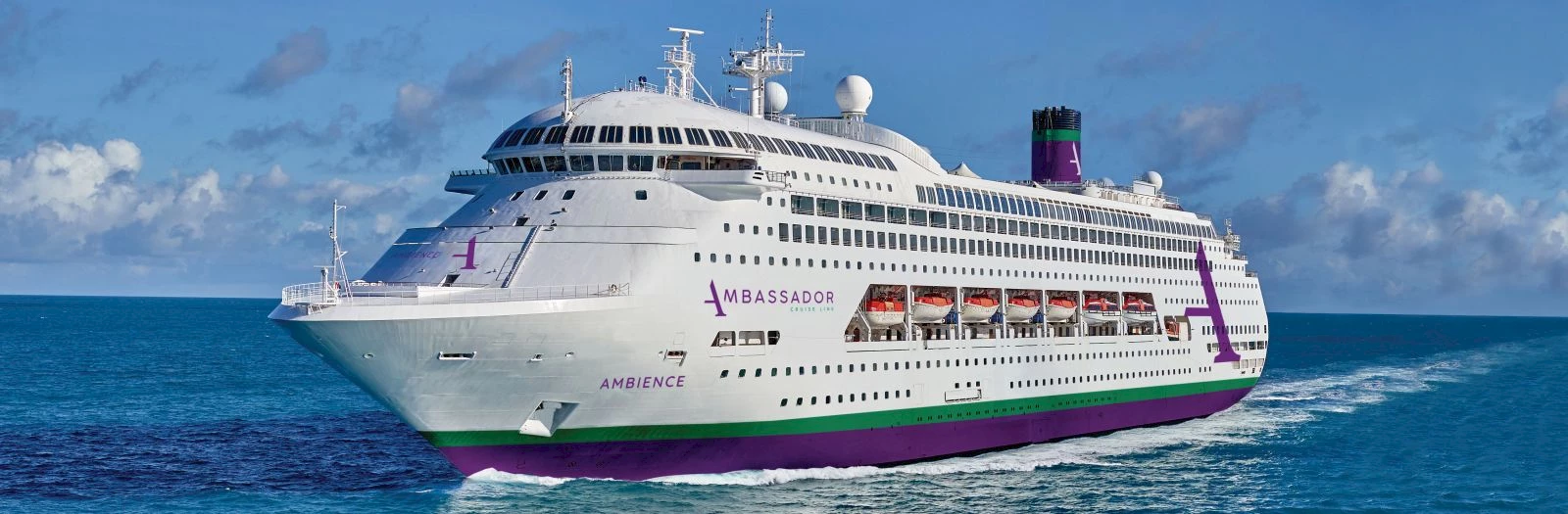
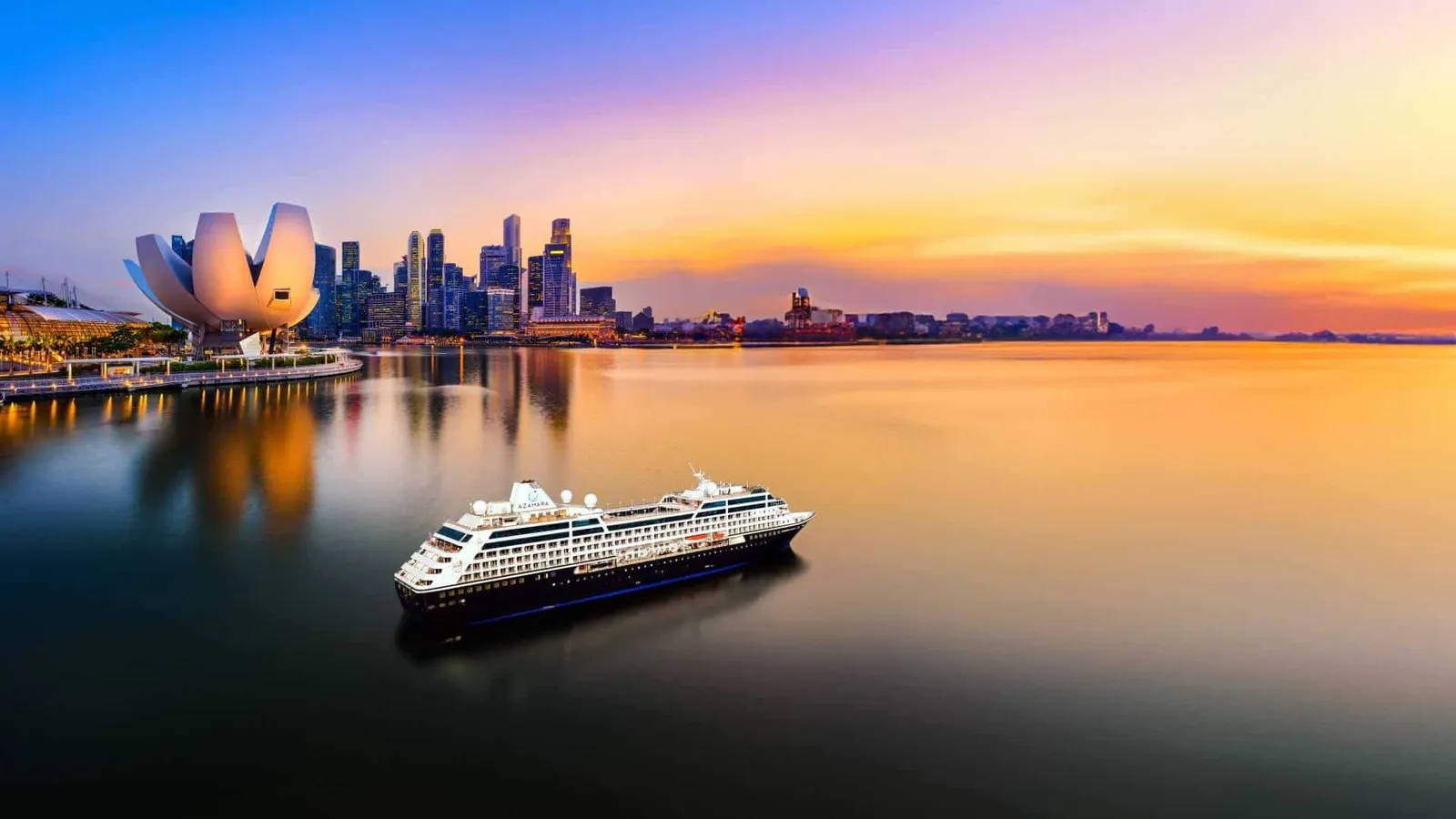
Azamara positions itself as “destination immersive.” Owned by Sycamore Partners since the 2021 sale from Royal Caribbean Group for US$201 million, Azamara builds every voyage around extended time ashore. The line spends 51 per cent of its total port time during late-night or overnight stays — often docking until 22:00 or remaining in port for two consecutive nights. The four ships are all 30,277 gross tonnes, originally built for the defunct Renaissance Cruises between 1999 and 2001. At this size, they can slip into boutique harbours that larger vessels cannot reach — the heart of Seville, narrow Greek island ports, Croatia’s Dalmatian coast. The crew-to-guest ratio sits at approximately 1:1.7, and staff learn names quickly. There is no casino, no children’s programme, and no formal night. The atmosphere is refined but relaxed — a country-house sensibility where the evening’s conversation tends to centre on what you did ashore that day and where you are going tomorrow.
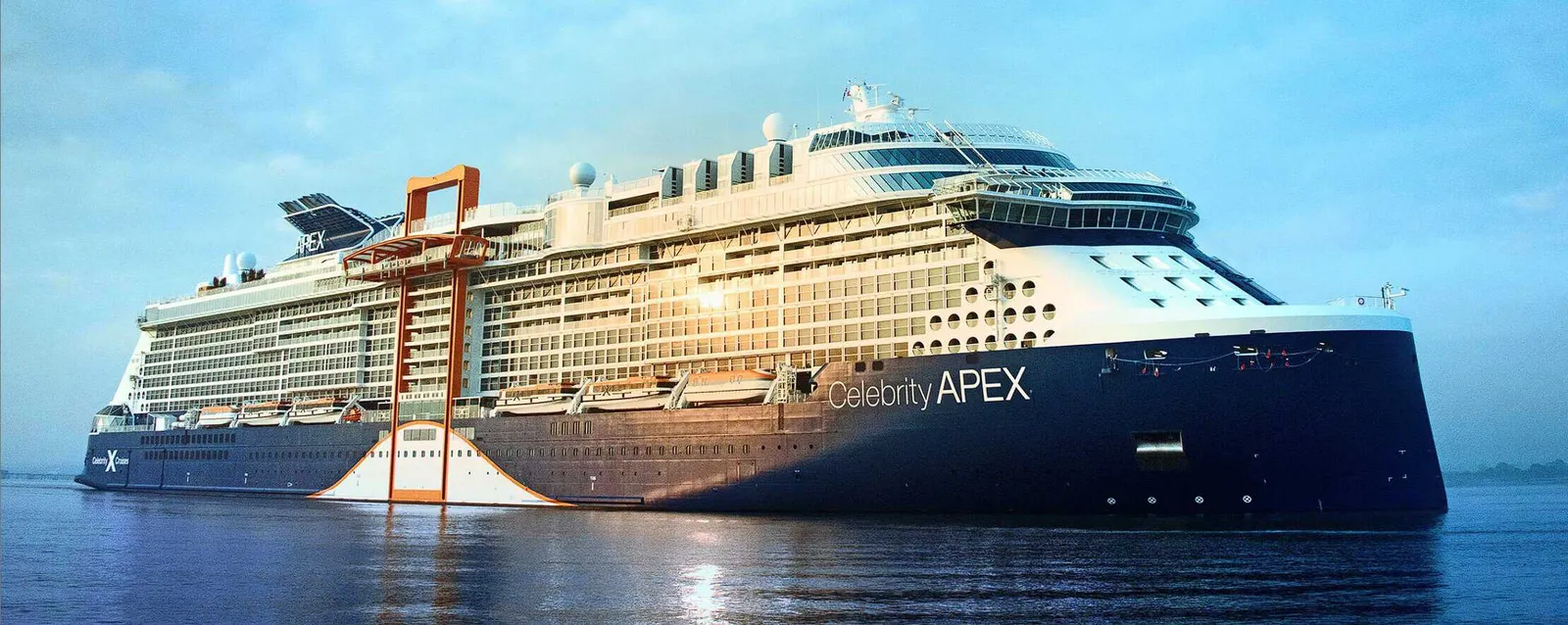
Princess positions itself as mainstream-premium — more refined than Carnival Cruise Line or Royal Caribbean but more accessible than luxury lines in both price and atmosphere. The fleet spans four classes, from the intimate Coral-class ships at approximately 2,000 guests to the new Sphere-class flagships Sun Princess and Star Princess at 4,310 guests each and 177,882 gross tonnes. Sun Princess was named the number one mega cruise ship in the Conde Nast Traveler Readers’ Choice Awards two years running in 2024 and 2025. Princess’s MedallionClass technology — a wearable device enabling touchless boarding, keyless stateroom entry, and GPS-tracked food delivery — is widely considered the most advanced digital platform in the cruise industry. The line maintains an unbroken 21-year streak as Travel Weekly’s Best Cruise Line in Alaska. And for Australians, Princess carries cultural cachet that few lines can match — the original Pacific Princess starred in The Love Boat from 1977 to 1987, and the show aired widely on Australian television, making Princess a household name in this market.
The core tension is clear: intimacy versus scale, destination depth versus onboard breadth, boutique simplicity versus mainstream-premium variety. They compete for the same Australian premium traveller, but the experience could hardly be more different.
What is actually included
This is the comparison that matters most and causes the most confusion, because the two lines use fundamentally different pricing architectures.
Azamara bundles the key extras into every fare. The standard fare includes select standard spirits, international beers, and a rotating selection of wines by the glass — two red, two white, one rosé, and one sparkling, changed regularly. Specialty coffees, teas, soft drinks, and bottled water are included. Gratuities for housekeeping, dining, and bar staff are fully covered — nothing is added to your onboard account. One complimentary AzAmazing Evening — an exclusive shoreside cultural event — is included on voyages of nine nights or longer, with an onboard version on 7- to 8-night sailings. Shuttle buses to port communities run where available. Unlimited self-service laundry is complimentary. Dining at four of six restaurants plus 24-hour room service is included without delivery fees.
What Azamara does not include: Wi-Fi (available for purchase, with Starlink on newer installations), premium spirits and wines beyond the standard selection, speciality dining surcharges at Prime C and Aqualina (US$49.95 per person, waived for suite guests), spa treatments, and shore excursions beyond the AzAmazing Evening and shuttles. Optional “Experience More” upgrade packages range from US$300 to US$700 per stateroom, adding shore excursion credits, enhanced Wi-Fi, and premium beverage upgrades.
Princess uses an à la carte base fare with two optional packages. The standard fare covers stateroom accommodation, main dining room meals, buffet dining, poolside venues, basic entertainment, pool and fitness access, and the OceanMedallion wearable device. It does not include alcoholic beverages, speciality coffees, Wi-Fi, speciality dining, shore excursions, spa treatments, or gratuities — which run US$17 to US$19 per person per day depending on stateroom category.
Princess Plus (from US$65 per person per day, US$70 on Sphere class) adds a beverage package covering drinks up to US$15 each, single-device Wi-Fi, four casual dining meals per voyage, waived room service delivery fees, and daily crew appreciation. Princess Premier (from US$100 per person per day, US$105 on Sphere class) upgrades to unlimited drinks up to US$20, four-device Wi-Fi, unlimited speciality dining, unlimited digital photos, reserved show seating, and shore excursion credits of US$100 to US$300 depending on voyage length.
The practical impact: Azamara’s headline fare appears higher, but it settles the equation upfront. Princess’s base fare is genuinely lower, but adding the Premier package to approach Azamara’s included value brings the total cost surprisingly close. A 7-night Mediterranean balcony cabin runs approximately US$1,800 to US$2,400 per person on Azamara with drinks and gratuities included. The same itinerary on Princess with the Premier package runs approximately US$1,800 to US$2,200 per person. The difference narrows. For travellers who prefer simplicity — book once, know the cost — Azamara is more straightforward. For travellers who want to control what they spend, Princess Plus offers a useful middle ground.
Dining and culinary experience
Azamara and Princess approach dining from entirely different positions — one optimises for intimacy and consistency across a compact fleet, the other for variety and innovation across 17 ships.
Azamara operates six dining venues per ship. Discoveries Restaurant is the main dining room with open seating — no assigned tables or times — serving elegantly plated multi-course dinners with Mediterranean-inspired specialities. Windows Café is the casual buffet with international cuisine and rotating stations. The Patio transforms from a poolside grill by day to an al fresco dining venue by night with tablecloths, candles, and a proper grilled menu featuring beef paillard, lamb tenderloin, and salmon with pink peppercorns. Mosaic Café serves artisanal coffees and patisserie throughout the day. The Living Room offers tapas, small bites, and afternoon tea. Twenty-four-hour room service is complimentary. The two speciality restaurants — Prime C steakhouse and Aqualina Italian — carry a US$49.95 per person surcharge, waived for all suite guests. Azamara Onward also features the exclusive Atlas Bar with artisanal cocktails and small plates.
The forthcoming Azamara Forward refurbishment programme will add the Chef’s Table as a dedicated new venue on Deck 10 across the fleet, featuring rotating themed menus, destination-focused guest chefs, Winemaker’s Dinners, and a Market Dining concept where local market produce is brought onboard to create the evening’s menu.
Princess operates 10 to 29 dining venues depending on the ship class. The Sphere-class Sun Princess and Star Princess lead the fleet with 29 distinct dining and bar venues. The main dining room spans three storeys on Sphere class, with the Sanctuary Restaurant on Deck 8 reserved exclusively for Sanctuary Collection guests. Complimentary casual options include Alfredo’s Pizzeria, the International Café, poolside grills, and the Americana Diner on Sphere class. Casual dining venues like O’Malley’s Irish Pub and Salty Dog Gastropub carry a US$14.99 per 3-course meal surcharge. Speciality restaurants — Crown Grill steakhouse, Sabatini’s Italian, The Catch by Rudi, Bistro Sur La Mer, and Share by Curtis Stone — range from US$45 to US$60 per person plus 18 per cent gratuity, all included with the Premier package. Sphere-class exclusives include Umai Teppanyaki, Love by Britto, The Butcher’s Block by Dario, and the extraordinary Spellbound by Magic Castle dinner-and-magic experience at US$149 per head.
Princess’s Dine My Way programme adds flexibility — choose between fixed seating, reservable dining, or walk-in service each evening via the MedallionClass app. The OceanNow feature allows food and drink delivery to your GPS-tracked position anywhere on the ship, a genuine innovation that no other line — including Azamara — can match.
The quality-to-quantity balance works both ways. Azamara’s smaller venues foster genuine intimacy — the chef knows regulars by name within a few nights, and the open-seating policy creates a social atmosphere where you might dine with different companions each evening. Princess’s scale means more cuisines, more price points, and more innovation, but the larger ship environment is naturally less personal. Both lines receive strong dining reviews.
Suites and accommodation
The accommodation philosophies reflect the broader brand differences — Azamara’s intimate consistency versus Princess’s layered variety.
Azamara’s cabin categories use a “Club” naming convention. Club Interior cabins start at approximately 158 square feet. Club Oceanview rooms offer a fixed picture window at approximately 143 square feet. Club Veranda — the most popular category — provides 175 square feet of interior space plus a 40-square-foot private balcony. Club Veranda Plus adds 120 free Wi-Fi minutes, complimentary laundry, one speciality dining evening for two per seven nights, and priority embarkation.
At the suite level, Azamara punches above its weight. Club Continent Suites offer 266 square feet plus a 60-square-foot veranda, with a separate sitting area, king bed, marble bathroom with soaking tub, and butler service. Club Spa Suites — 414 square feet plus veranda, adjacent to the Sanctum Spa — include a glass-enclosed spa bathtub, healthy snacks delivered daily, and in-cabin spa music. Club Ocean Suites reach up to 734 square feet total with a separate living room and bedroom. The Club World Owner’s Suite — only two per ship — tops out at 836 square feet total with the largest private veranda aboard.
From April 2026, enhanced suite inclusions for World Owner’s, Ocean, and Spa Suites add unlimited premium spirits, unlimited Starlink Wi-Fi on two devices, unlimited laundry, an Acamar Experience Dinner, and complimentary Thalassotherapy Pool access. All suites include dedicated butler service with priority check-in, packing assistance, dining reservations, and in-suite afternoon tea.
Every Azamara stateroom — regardless of category — includes fresh flowers, daily fruit baskets, terry bathrobes and slippers, binoculars, umbrellas, a branded tote bag, and complimentary room service around the clock. These thoughtful touches reinforce the boutique ethos.
Princess offers far more cabin variety across its fleet. Interior staterooms start at 150 to 190 square feet. Balcony cabins on Royal and Sphere class offer 222 square feet total including the balcony. Mini-Suites provide 299 to 329 square feet with a separate sitting area and larger bathroom. The Cabana Mini-Suite — exclusive to Sphere class — adds a private indoor/outdoor cabana area between cabin and balcony, a genuinely innovative cabin concept. Reserve Collection Mini-Suites (formerly Club Class) offer the best midship locations with an exclusive dining section, dedicated wait staff, and expanded menu.
Princess’s full suites include Penthouse Suites at approximately 800 square feet with soaking tubs and dedicated Suite Experience Managers. The Sky Suites on Royal class are genuinely extraordinary — 1,792 square feet total with two bedrooms, a 1,000-square-foot wraparound balcony with 270-degree views, an outdoor large-screen TV, and the option to connect two adjacent suites for a four-bedroom, ten-guest configuration. The Sphere-class Signature Sky Suites measure 1,262 square feet. The Sanctuary Collection on Sphere class creates a ship-within-a-ship concept with an exclusive restaurant, private pool deck, and curated amenities.
Princess’s suite benefits are less generous in inclusions than Azamara’s but compensate with sheer space and variety. Where Azamara’s suites include unlimited speciality dining and butler service, Princess’s suites include a dedicated Suite Experience Manager, priority embarkation, complimentary mini-bar setup, and Reserve Collection dining privileges. The sheer scale of the Sky Suites — a 1,000-square-foot wraparound balcony — has no equivalent in Azamara’s fleet.
Pricing and value
Comparing headline fares without accounting for inclusions is misleading. I walk clients through total cost comparisons regularly, and the gap is consistently narrower than it first appears.
Azamara’s directional pricing for a standard Club Veranda cabin runs approximately US$200 to US$350 per person per night for a 7-night Mediterranean sailing, depending on season and booking window. This includes select drinks, gratuities, the AzAmazing Evening, and shuttle services. Longer sailings and shoulder seasons bring the per-night cost down — a 12-night Caribbean voyage can start from approximately US$147 per night, and Africa itineraries from US$167 per night.
Princess’s directional pricing for a comparable balcony cabin on a 7-night Mediterranean sailing starts at approximately US$180 to US$280 per person per night at the base fare — drinks, gratuities, and Wi-Fi excluded. Add Princess Plus at US$65 per day and the effective daily cost rises to approximately US$245 to US$345. Add Princess Premier at US$100 per day and it reaches approximately US$280 to US$380. Sphere-class ships run 10 to 20 per cent higher than Royal or Grand class for comparable itineraries.
The convergence is real. At the base level, Princess is meaningfully cheaper — and for travellers who do not drink much, skip Wi-Fi, and tip modestly, that gap holds. But for travellers who want drinks, gratuities, and connectivity included, Azamara’s bundled fare competes directly with Princess Premier on a total-cost basis. Both lines run aggressive promotions — Azamara’s current Wave offer provides 30 per cent off fares plus onboard credits, while Princess runs “Come Aboard Sale” and fly-cruise packages with air credits from Australian cities.
For Australian travellers, one additional factor shapes the value equation: currency. Both lines bill onboard accounts in US dollars, but Princess offers Australian dollar pricing on its dedicated AU website, and its larger agent network provides more frequent AUD-denominated promotions. Azamara’s pricing is typically in USD through Australian agents, though conversions are managed at point of sale.
Spa and wellness
Both lines offer full-service spas with treatment rooms, fitness centres, and outdoor pool facilities, but the scale and inclusion model differ.
Azamara’s Sanctum Spa is operated by Steiner with Elemis products and occupies Deck 9 on all four ships. Treatment rooms offer the expected range — hot stone, deep tissue, and Swedish massages, facials, body sculpting, acupuncture, and medispa treatments including Botox and fillers. The standout feature is the Sanctum Spa Terrace — an exclusive outdoor deck with loungers, shaded daybeds, and a saltwater Thalassotherapy pool with massaging jets. Access is complimentary for suite guests; other categories can purchase day passes at US$24 per day or cruise-long passes at US$100 per person. The fitness centre is compact but adequate, with floor-to-ceiling windows and complimentary group classes including yoga on deck, Pilates, and core workouts.
Princess’s Lotus Spa is operated by OneSpaWorld across the entire fleet. The facilities are significantly larger — 15 to 20 treatment rooms on Royal class, approximately 25 on Sphere class. The Enclave thermal suite features a hydrotherapy pool, cascading rain shower, heated stone and water beds, aroma infusions, steam rooms, and saunas. On Royal Princess, the Enclave includes a Hammam, Caldarium, and Laconium. On Sphere class, the Lotus Spa is triple the size of any previous Princess spa installation. The Sanctuary — Princess’s signature adults-only retreat — provides plush loungers, cabanas, dedicated Serenity Stewards, and aromatherapy for US$20 per half day or US$40 per full day. On Sphere class, the Sanctuary Collection elevates this to an accommodation category with an exclusive restaurant and private pool deck. Princess’s pool facilities are more extensive — multiple pools on every ship, including the Wake Pool aft infinity-style pool and the Retreat Pool for Sanctuary Collection guests on Sphere class.
The key difference is scale. Azamara’s spa is intimate and well-appointed, and the Thalassotherapy pool is a genuine highlight for suite guests. Princess’s spa facilities are substantially larger with more treatment options, a more extensive thermal suite, and dedicated relaxation areas — but at additional cost. Neither line includes spa treatments in the fare.
Entertainment and enrichment
This is where the two lines diverge most dramatically, reflecting their fundamentally different philosophies about what a cruise should be.
Azamara invests in the destination. The AzAmazing Evenings programme — complimentary, one-of-a-kind cultural experiences held exclusively for Azamara guests — is the line’s signature differentiator. Launched in 2011, these events typically take place ashore in iconic venues while the ship stays late in port: private performances in historic theatres, hidden garden wine tastings within Dubrovnik’s city walls, solo guitar concerts inside the Can Vivot palace in Palma de Mallorca. The 2026 season features 35 new AzAmazing Evenings — the most in the programme’s history. Onboard, the Cabaret Lounge hosts intimate production shows and live music, while the Living Room offers acoustic performances, destination speakers, and a social atmosphere. The Destination Immersion Elevated programme, launched in May 2025, brings over 250 Destination Speakers — native to the regions visited — and a “Stories Under the Stars” fireside poolside programme with regional folklore and storytelling. There is no casino, no large-scale production show, and no high-energy deck party (save the signature White Night, where everyone dresses in white for an al fresco dinner and dance under the stars).
Princess invests in the ship. The entertainment programming is Broadway-scale, technically polished, and genuinely diverse. The Princess Arena on Sphere class is a flexible 980-seat theatre with three configurations — in-the-round, 270-degree keyhole, and traditional proscenium — featuring original productions and live spectacle. Movies Under the Stars screens nightly films, live sport, and concerts on a 300-square-foot poolside LED screen with 69,000-watt sound, complimentary popcorn, and blankets. The Dome on Sphere class transforms from a daytime lounge under a geodesic glass canopy into a nightclub and performance venue with Cirque Eloize acrobatic shows and South Beach-themed parties. The casino operates nightly on every ship. Princess Live! hosts comedy, music, and interactive game shows. ScholarShip@Sea provides enrichment lectures, cooking demonstrations, and destination talks — more traditional than Azamara’s immersive approach, but competent. Discovery at Sea, in partnership with Discovery Communications, adds stargazing programmes, nature documentaries, and themed events.
The distinction is philosophical. Azamara takes the entertainment off the ship and into the port — the AzAmazing Evening in Dubrovnik is the evening’s highlight, not the onboard show. Princess brings the entertainment aboard in force — the Dome, the Arena, Movies Under the Stars, and the casino create a full evening programme without stepping ashore. Neither approach is superior; they serve genuinely different traveller preferences. If you want to be entertained after dinner, Princess delivers more options. If you want the destination itself to be the entertainment, Azamara is purpose-built for that.
Fleet and destination coverage
The fleet comparison is stark: four ships versus seventeen. But the strategic implications of that difference matter more than the raw numbers.
Azamara’s four identical ships — Journey, Quest, Pursuit, and Onward — are all 30,277 gross tonnes, all built between 1999 and 2001, and all carrying approximately 690 to 704 guests at double occupancy. The uniformity is a deliberate strategy: know one ship, know them all. This simplifies repeat bookings and eliminates the ship-quality lottery that larger fleets sometimes create. The fleet age — 25-plus years — is a potential concern, but Azamara is addressing this with the US$80 million Azamara Forward refurbishment programme announced in January 2026. Quest enters dry dock in late 2026 with a new Penthouse Suite Deck featuring 10 Grandview Suites and 2 Panorama Suites, a new Chef’s Table restaurant, and completely refreshed cabins and public spaces. Onward follows in 2027, with Journey and Pursuit through 2029.
Azamara visits destinations across six-plus continents and 70-plus countries, with 25 new ports and 33 Country-Intensive voyages in the current season. The small ship size is the fleet’s strategic advantage — these vessels access ports that Princess’s ships physically cannot reach. They dock alongside in harbours where mega-ships must tender. They transit narrow waterways and access boutique destinations that are simply off-limits to 140,000-plus gross tonne vessels.
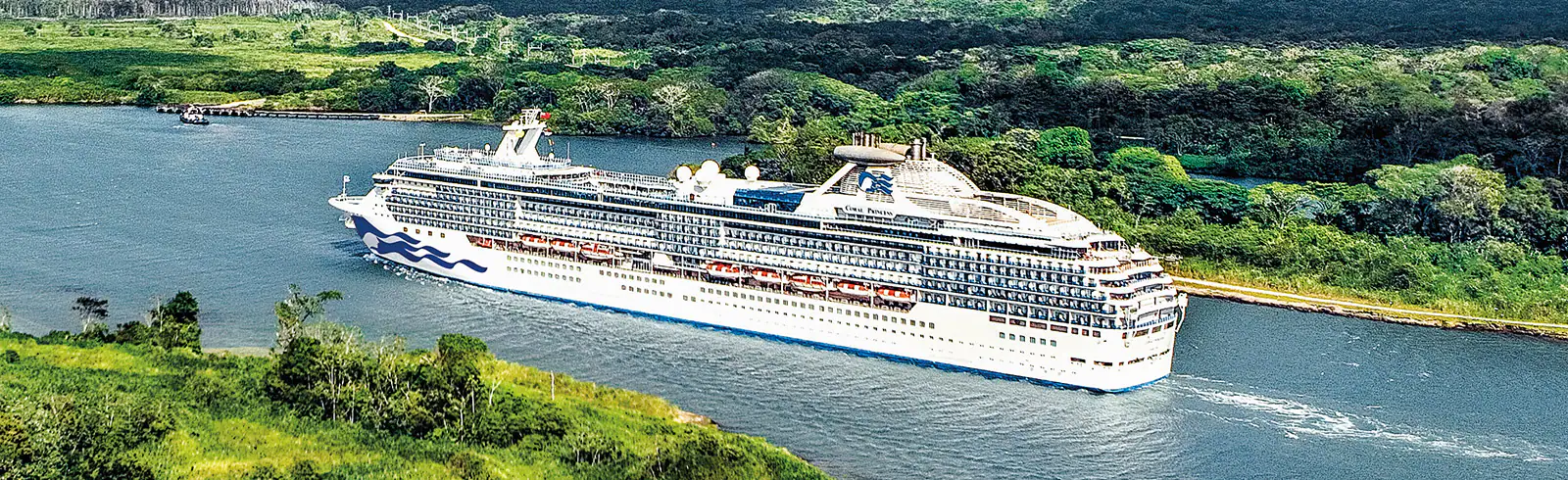
Princess’s 17 ships span four classes and 27 years of shipbuilding. The Sphere-class flagships — Sun Princess (2024) and Star Princess (2025) — represent a genuine generational leap at 177,882 gross tonnes with LNG power, the Dome, the Princess Arena, and 29 dining venues. The six Royal-class ships (2013 to 2022) are the fleet workhorse, commonly deployed to Australia. The seven Grand-class ships (1998 to 2008) remain the backbone. The two Coral-class ships (2003) are the fleet’s smallest at approximately 2,000 guests and handle itineraries requiring smaller dimensions, including Panama Canal transits.
Princess’s scale enables global deployment that Azamara cannot match. Eight ships in Alaska with 180 departures from five ports. The largest-ever Europe season across multiple homeports. Caribbean coverage for the first time across all regions in summer 2026. Asia specialist itineraries from Singapore with Diamond Princess following Japan’s cherry blossom season. World cruises exceeding 115 days. And a major Australian and New Zealand programme — the largest of any premium line.
Alaska is the sharpest contrast. Princess has been named Best Cruise Line in Alaska for 21 consecutive years. It holds Glacier Bay National Park permits, operates exclusive wilderness lodges at Denali and the Kenai Peninsula, runs glass-domed railcar services, and offers access to up to four national parks on a single cruisetour. Azamara has expanded its Alaska programme to 10 voyages in 2026 on Azamara Pursuit with nine new Cruisetour land packages, but it operates at a fraction of Princess’s scale and infrastructure.
Where each line excels
Azamara excels in:
- Destination immersion. Late-night and overnight port stays on 51 per cent of all port calls. Twenty-eight double-overnight stays fleet-wide. The industry’s most committed approach to time ashore.
- AzAmazing Evenings. Complimentary shoreside cultural events with no equivalent on Princess or most other lines. Thirty-five new events for the 2026 season.
- All-inclusive simplicity. Drinks, gratuities, and cultural events bundled into one fare. No mental arithmetic about what things cost while onboard.
- Small-ship port access. At 30,277 gross tonnes, these ships dock in harbours that Princess’s fleet cannot reach — the heart of Seville, narrow Greek island ports, Croatia’s intimate Dalmatian coastline.
- Personalised service. A crew-to-guest ratio of approximately 1:1.7 versus Princess’s 1:2.5 to 1:2.8. Staff learn names quickly. The boutique atmosphere fosters genuine relationships.
- Adults-only ambience. No children’s programme, no kids’ club, no casino noise. The quiet, sophisticated atmosphere is specifically designed for couples and mature travellers.
Princess excels in:
- Alaska. Twenty-one consecutive years as the top Alaska cruise line. Glacier Bay permits, wilderness lodges, glass-domed railcars, and cruisetours spanning four national parks. Unmatched.
- MedallionClass technology. Touchless boarding, keyless stateroom entry, GPS-tracked food delivery, family locator, and point-to-point navigation. The most advanced wearable device in global hospitality.
- Fleet diversity and scale. Seventeen ships across four classes covering every major cruise region. More itinerary options, more departure dates, more price points.
- Entertainment and nightlife. Broadway-scale production shows, Movies Under the Stars, casino, the Dome, Princess Arena, and Cirque Eloize. A full evening programme every night.
- Australian presence. Up to three ships homeported across five Australian cities each season. The broadest departure programme of any premium line in this market.
- Ship innovation. The Sphere-class Sun Princess and Star Princess are genuinely groundbreaking — the Dome, the three-configuration Arena, 29 dining venues, and LNG power represent a generational leap.
Standout itineraries for Australian travellers
Both lines sail from Sydney, making them accessible to Australians without international flights — but the itinerary character differs markedly.
Azamara
Australia and Indonesia (Azamara Onward or Pursuit, Sydney to Singapore, February 2026). A repositioning voyage that transits from Australian waters through the Indonesian archipelago to Singapore. Azamara’s small ship size allows access to ports that Princess’s larger vessels would bypass, and the late-night port stays provide genuine time to explore regional destinations at a pace mainstream lines cannot offer.
Australia and New Zealand (16 to 18 nights, sailing between Sydney and Auckland). The core Australian season itinerary covering Great Barrier Reef ports, Kangaroo Island, Fiordland, and Milford Sound. Azamara’s smaller ships suit New Zealand’s more intimate harbours exceptionally well, and the included AzAmazing Evening provides a cultural highlight unavailable on Princess.
Japan Cherry Blossom Season (Azamara Pursuit, spring 2026). Hiroshima, Kanazawa, Tokyo, and Kobe — a country-intensive itinerary following the blooming season. Accessible as a fly-cruise from Australian gateways via Tokyo or Osaka. Azamara’s intimate ship size and late-night port stays suit Japan’s smaller regional ports and the cultural depth of cherry blossom season.
Princess
2026 World Cruise — Circle Pacific (Island Princess, 115 to 131 days). Departing Fort Lauderdale in January 2026, this 29,000-nautical-mile voyage covers 19 countries and 60 destinations including 45 UNESCO World Heritage Sites, with late-night stays in Singapore, Sydney, and Honolulu and an overnight in Hong Kong. Australian travellers can join segments or sail the full voyage.
Alaska Voyage of the Glaciers (Star Princess, 7 nights plus 3- to 7-night land tour). Princess’s flagship Sphere-class ship in Alaska for the first time in 2026. Vancouver or Anchorage departures with Juneau, Skagway, Ketchikan, and Glacier Bay, followed by Princess Wilderness Lodges and Denali National Park with the glass-domed railcar experience. The definitive Alaska cruise.
Japan Spring Flowers (Diamond Princess, 10 to 11 nights, March to April 2026). Following the predicted cherry blossom blooming season south to north across all four main Japanese islands — Kagoshima, Nagasaki, Osaka, Tokyo, and regional ports. Cultural enrichment with local specialists aboard. Diamond Princess is a dedicated Japan-based ship, and Princess’s Japan programme is second only to its Alaska expertise.
2026/27 Australian Season (Royal Princess, Grand Princess, Crown Princess — 42 itineraries, 62 departures from Sydney, Melbourne, Brisbane, Fremantle, and Adelaide). New Zealand, South Pacific, Papua New Guinea, Hawaii, Tahiti, and Fiji. The sheer breadth of the Australian programme — five homeport cities, three ships, and 62 departures — is unmatched by any line in this comparison.
Ship-by-ship recommendations
Azamara
Azamara Onward — The newest addition to the fleet (maiden voyage May 2022) and the primary ship for Australian and New Zealand seasons alongside Pursuit. Originally the Pacific Princess, Onward features the exclusive Atlas Bar not found on the other three ships. A natural choice for Australians sailing from Sydney who want to experience Azamara without an international flight.
Azamara Pursuit — The ship deployed for the expanded Alaska programme in 2026 with 10 voyages and nine new Cruisetour land packages. Also sails Australian waters. A solid choice for Australians wanting Alaska on a smaller ship, with the understanding that Princess’s Alaska infrastructure is vastly more developed.
Azamara Quest — The first ship to receive the full Azamara Forward treatment with an October to November 2026 dry dock. Post-refurbishment, Quest will feature the new Penthouse Suite Deck with 10 Grandview Suites and 2 Panorama Suites, plus the new Chef’s Table restaurant. From December 2026, Quest will offer the fleet’s most current hardware. Book for European or world voyage itineraries from late 2026 onward.
Azamara Journey — Functionally identical to Quest. Journey and Pursuit receive their Azamara Forward refurbishments through 2029. A reliable choice for any itinerary — because the fleet is uniform, the experience does not vary meaningfully between ships until the refurbishment programme creates a staggered difference.
Princess
Sun Princess or Star Princess — The Sphere-class flagships and the most innovative ships in the fleet. The Dome, Princess Arena, 29 dining venues, Cabana Mini-Suites, and the Sanctuary Collection create an experience that Grand-class and even Royal-class ships cannot match. Star Princess adds expanded non-smoking casino areas. Book these for Mediterranean, Caribbean, or Alaska sailings where the full Sphere-class experience is available.
Discovery Princess — The newest Royal-class ship (2022) and a strong Australian deployment candidate. Features the SeaWalk glass walkway, Sky Suites with 1,000-square-foot balconies, and the full suite of Royal-class dining and entertainment venues. A well-rounded choice for Australian seasons where Sphere class has not yet been deployed.
Diamond Princess — The dedicated Japan specialist. If Japan is your destination, Diamond Princess is the ship — purpose-deployed for cherry blossom, Sea of Japan, and Hokkaido itineraries with cultural enrichment programmes tailored to the region.
Coral Princess or Island Princess — The fleet’s smallest ships at approximately 2,000 guests and 91,600 gross tonnes. Used for Panama Canal transits and world cruise deployments. A more intimate Princess experience — closer in feel (though still significantly larger) to the scale Azamara offers. Island Princess sails the 2026 world cruise.
Avoid booking Grand Princess as your first Princess experience if you are comparing with Azamara. Launched in 1998, Grand Princess is the fleet’s oldest ship and, despite refurbishment, does not represent the current Princess product at its best. If your comparison is with Azamara’s freshly refurbished fleet, sail a Royal-class or Sphere-class Princess ship for a fair assessment.
For Australian travellers specifically
Princess and Azamara both serve the Australian market, but the depth of that commitment is dramatically different.
Princess’s Australian roots run deep. The line first entered the Australian market in 1975 with the original Pacific Princess — the ship that would go on to star in The Love Boat. That cultural connection gave Princess unmatched brand awareness in Australia, and the line has maintained a continuous presence ever since. In 2024, over 1.3 million Australians took an ocean cruise, and Princess consistently ranks among the most popular lines in this market.
For the 2025/26 season, Princess deploys Discovery Princess (the largest Princess ship ever in Australian waters at 145,000 gross tonnes) and Crown Princess, sailing from Sydney, Brisbane, and Hobart. The 2026/27 season expands to three ships — Royal Princess, Grand Princess, and Crown Princess — across five homeport cities: Sydney, Melbourne, Brisbane, Fremantle, and Adelaide, with 42 itineraries and 62 departures. Destinations span New Zealand, the South Pacific, Papua New Guinea, Hawaii, Tahiti, and Fiji.
Princess operates a dedicated Australian office in Chatswood, NSW, with local phone support on 1300 551 853. The Australian website prices in AUD. The EZair flight programme offers negotiated airfares from Australian gateways with a flight delay guarantee — if your flight is delayed, Princess will hold the ship or arrange alternative transport. Princess has a strong travel agent distribution network in Australia and runs Australian-specific promotions including the “Come Aboard Sale” and earlybird AUD pricing released approximately 18 months in advance.
Azamara’s Australian presence is smaller but growing. Ships deploy to Australian and New Zealand waters seasonally, typically between January and March. Sydney is the primary departure port, with Auckland as a secondary embarkation point. Melbourne features as a pre- and post-cruise City Stay option with 2-night programmes. Itineraries cover Australia, New Zealand, Indonesia, and repositioning voyages to Asia.
Azamara does not maintain a dedicated Australian office. Distribution is through travel agent partnerships, and the line operates an Azamara Connect portal for Australian travel advisors. Pricing is typically in USD, though Australian agents manage currency conversion at point of sale. Australians and New Zealanders make up approximately 11 per cent of Azamara’s total passenger mix — the third-largest nationality group after North Americans at 60 per cent and British at 18 per cent — which means Australians will find compatriots aboard and staff familiar with Australian preferences. On Australian season sailings, that proportion is naturally higher.
The practical difference for Australians is convenience. Princess offers more ships, more ports, more departure dates, and a local support infrastructure that Azamara simply cannot match at its current scale. For Australians who want to walk aboard a ship in their home city with minimal planning, Princess is the more accessible choice. Azamara appeals to the more experienced Australian cruiser who has sailed mainstream lines and is seeking something more intimate, more destination-focused, and more culturally immersive.
The onboard atmosphere
The atmosphere difference is the factor that most reliably determines whether a traveller rebooks — and on these two lines, it is genuinely pronounced.
Azamara’s atmosphere is intimate, social, and destination-oriented. With approximately 690 guests aboard, you recognise fellow passengers within a day or two. The crew learn names quickly — at a 1:1.7 ratio, the personalised attention is tangible. The Living Room functions as a multi-purpose social hub where passengers share port discoveries over tapas and wine. Conversations at dinner tend to centre on the day’s AzAmazing Evening, tomorrow’s overnight stay, or the morning’s destination lecture. The White Night deck party — a signature event on every voyage where everyone dresses in white for an al fresco dinner and dancing under the stars — exemplifies the line’s informal, community-driven ethos. The dress code is resort casual throughout, with no formal nights. No children’s programme means no family-resort energy — the ambience is adult, sophisticated, and quietly social. The passenger demographic skews to the 50s through 70s, predominantly couples, many of them repeat guests who describe sailing Azamara as “coming home.”
Princess’s atmosphere is lively, varied, and gently glamorous. The larger ships accommodate multiple moods simultaneously — quiet mornings by the adults-only pool, active afternoons on the sports deck, social evenings at the Piazza with live music, and late-night energy in the casino and nightclub. Two formal nights on a 7-night cruise create a sense of occasion, with cocktail dresses and suits in the main dining room. The Dome transforms from a relaxation lounge by day to a South Beach-themed nightclub. Movies Under the Stars draws families and couples to the pool deck with blankets and popcorn. The MedallionClass technology creates a seamlessly connected experience — your door unlocks as you approach, food arrives at your GPS-tracked position, and the app guides you to any venue on the ship. The passenger demographic is broader — couples in their 40s to 60s alongside families during school holidays, solo travellers, and multigenerational groups. Camp Discovery keeps children engaged, and family suites on Sphere class accommodate larger parties. The atmosphere is premium without pretension — refined enough for a special occasion, relaxed enough for a family holiday.
The atmosphere question is personal. Azamara’s intimacy suits travellers who want to know their fellow passengers and crew by name, who prefer cultural enrichment to production shows, and who measure a cruise by what they experienced ashore. Princess’s variety suits travellers who want options — entertainment tonight, relaxation tomorrow, formal elegance on Wednesday, barefoot movies on Thursday. Both create loyal repeat guests. The question is which style of evening resonates with how you want to spend your time at sea.
The bottom line
Azamara and Princess are both quality cruise lines that serve the Australian market, but they are built for fundamentally different priorities — and the right choice depends entirely on what kind of traveller you are.
Choose Azamara if destinations drive your decisions. Choose it for the late-night and overnight port stays that let you experience a city after the day-trippers have gone. Choose it for the AzAmazing Evenings — complimentary cultural events in historic venues that are genuinely unique in the industry. Choose it for a 690-guest ship where the crew know your name, the dining room has no assigned seating, and the dress code never requires more than a sport coat. Choose it for the all-inclusive fare that settles drinks, gratuities, and cultural events before you board. Accept that the fleet is older (though the US$80 million Azamara Forward programme is addressing this), that entertainment is intimate rather than spectacular, that there is no casino, and that the Australian departure programme is limited to Sydney with seasonal deployments.
Choose Princess if you want scale, variety, and technology. Choose it for the 17-ship fleet covering every major cruise region in the world. Choose it for Alaska — eight ships, 180 departures, Glacier Bay permits, wilderness lodges, and glass-domed railcars. Choose it for MedallionClass, which genuinely transforms the onboard experience with touchless boarding, keyless doors, and GPS-tracked food delivery. Choose it for the Sphere-class Sun Princess and Star Princess — among the most innovative ships afloat, with the Dome, the Arena, and 29 dining venues. Choose it for the broadest Australian departure programme in the premium segment — five homeport cities, three ships, and 62 departures for 2026/27. Accept that the à la carte pricing model requires add-on packages to match Azamara’s inclusions, that the larger ships mean more guests at the pool and the buffet, that the crew-to-guest ratio is lower, and that the mega-ship environment is inherently less personal.
For the experienced Australian couple in their 50s to 70s who has sailed mainstream lines and wants something more intimate, more port-focused, and more culturally enriching — Azamara is the natural next step. For the Australian family, the first-time cruiser, the Alaska dreamer, the technology enthusiast, or the traveller who wants the widest possible choice of ships and itineraries from their home city — Princess is the stronger proposition. Both lines sail from Sydney. Both visit the world’s finest destinations. The decision is not which line is better — it is which line is better for you.