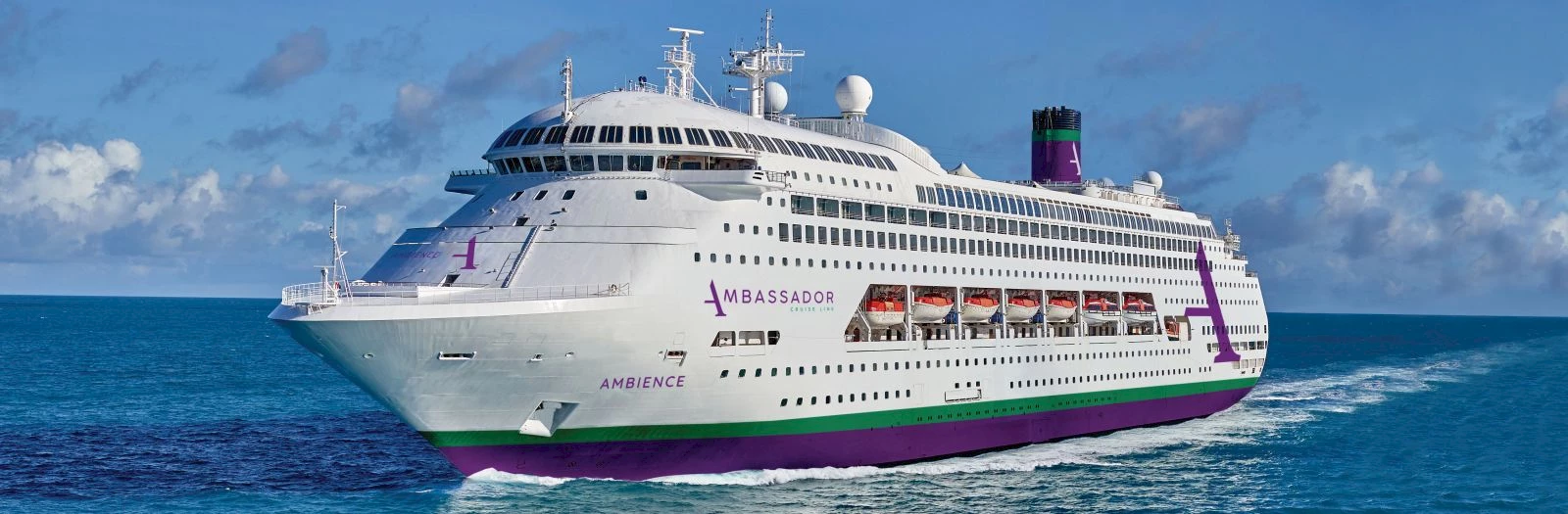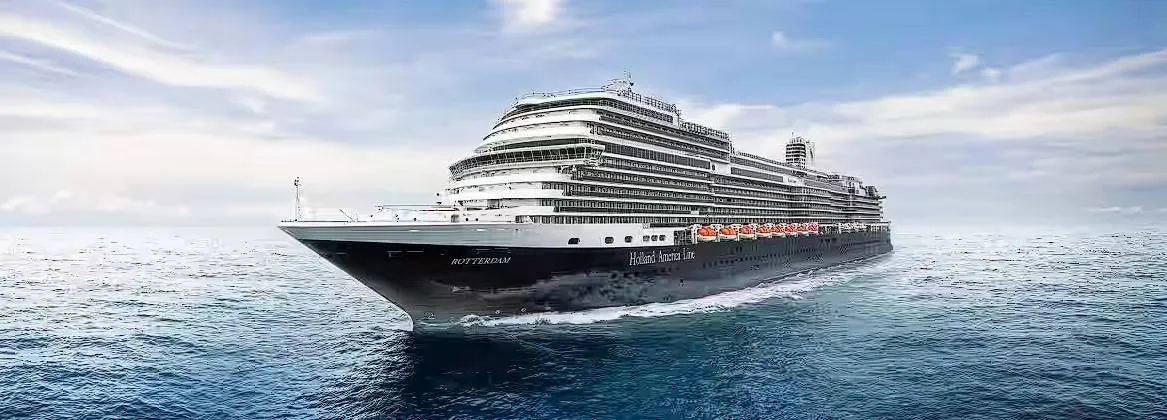
Azamara and Holland America both attract mature, culturally curious Australians — but they build the cruise around fundamentally different ideas. Azamara offers intimate 690-guest ships with bundled inclusions and industry-leading time in port. Holland America offers mid-size ships with world-class live music, broader dining, and 150 years of seafaring heritage. Jake Hower unpacks every dimension.
| Azamara Cruises | Holland America Line | |
|---|---|---|
| Category | Luxury | Premium |
| Rating | ★★★★☆ | ★★★★☆ |
| Fleet size | 4 ships | 11 ships |
| Ship size | Small (under 1,000) | Mid-size (1,000-2,500) |
| Destinations | Mediterranean, Asia, Northern Europe, South America | Caribbean, Alaska, Northern Europe, Mediterranean |
| Dress code | Smart casual | Smart casual |
| Best for | Destination-immersive port-intensive travellers | Classic cruise enthusiasts and mature travellers |
Azamara is the better choice for travellers who prioritise the destination itself — late-night and overnight port stays, access to smaller harbours, and an all-inclusive fare that bundles drinks, gratuities, and a signature cultural event into every sailing. Holland America is the better choice for travellers who want a richer onboard experience — the Music Walk live entertainment district, five specialty restaurants overseen by a Culinary Council of Michelin-starred chefs, and a broader fleet with unmatched Alaska expertise. For Australians specifically, Holland America has stronger local distribution through Carnival Australia with a dedicated Sydney office, more departure dates from 2026/27 with two ships deployed, and a 35-day Australia Circumnavigation. Azamara's boutique ships access niche Australian ports that larger vessels cannot reach, and the 11 per cent Australian passenger mix means you will find compatriots aboard. When inclusions are factored in, the price gap narrows considerably at the veranda level — the real question is whether you want the ship to be a means of reaching the destination or a destination in its own right.
The core difference
Azamara and Holland America Line both attract the same broad demographic — well-travelled couples in their 50s, 60s, and 70s who want quality dining, interesting destinations, and a refined atmosphere without the excesses of mega-ship cruising. They overlap in the Mediterranean, Northern Europe, Asia, Alaska, and Australia/New Zealand. On paper, they look like close competitors. In practice, the onboard experience could hardly be more different.
Azamara builds the entire cruise around the destination. The ship is a comfortable, well-appointed means of getting there — with generous inclusions to simplify the journey — but the ports are the main event. Over 51 per cent of Azamara’s port calls are late nights or overnights, with 28 double-overnight stays fleet-wide across the 2025/26 season. Country-Intensive voyages dedicate an entire sailing to exploring one nation in depth. The complimentary AzAmazing Evenings programme stages exclusive cultural performances in extraordinary venues ashore — a private concert in a Mediterranean amphitheatre, a celebration in a Balinese temple, an evening on an African savanna. Azamara’s philosophy is destination immersion: more time ashore, fewer sea days, and a ship designed to enhance rather than compete with the places you visit.
Holland America Line builds the cruise around the enrichment experience. The ship IS the destination, with ports as enriching complements to what happens onboard. Dutch maritime traditions spanning 150 years are woven into every vessel — Delft china in the dining room, museum-quality art collections, brass elements, and classic woodwork. The Music Walk entertainment district brings live blues, rock, and Billboard hits to three or four dedicated venues every evening. The Culinary Council includes a three-Michelin-star chef. America’s Test Kitchen cooking demonstrations run on all 11 ships. BBC Earth In Concert screenings fill the World Stage with wildlife footage set to orchestral scores. Holland America does not simply take you somewhere interesting — it creates an interesting world onboard that enriches every sea day and every evening after you return from port.
The fundamental distinction matters because it shapes every aspect of the experience. Azamara gives you 10-plus hours in Seville with an overnight stay; Holland America gives you B.B. King’s Blues Club at ten o’clock in the evening. Both are excellent. The question is which one you value more.
What is actually included
This is the comparison point that generates the most confusion — and the most misleading conclusions when travellers look only at headline fares.
Azamara bundles a generous package into every fare. Included from the entry-level Club Interior stateroom upward: select alcoholic beverages all day (standard spirits, international beers, and a rotating selection of wines by the glass — not restricted to mealtimes); gratuities for housekeeping, dining, and bar staff fully covered; bottled water, soft drinks, specialty coffees and teas; one AzAmazing Evening per cruise on voyages of nine-plus nights (an onboard version on 7 to 8-night sailings); shuttle bus service to and from port communities where available; unlimited self-service laundry; concierge services for shore planning; dining at four of six restaurants; 24-hour room service; and fitness centre access with group classes.
What Azamara does not include: Wi-Fi (unless in a suite or Club Veranda Plus category), premium top-shelf spirits beyond the included selection, specialty dining surcharges at Prime C and Aqualina (US$49.95 per person — waived for suite guests), spa treatments, and shore excursions beyond the AzAmazing Evening and shuttles. Optional “Experience More” packages add Wi-Fi, beverage upgrades, and excursion credits from US$300 to US$700 per stateroom.
Holland America strips the base fare back and lets you build up. Included: three meals daily in the main Dining Room; Lido Market buffet; casual dining at New York Pizza/Deli, Dive-In, and Grand Dutch Cafe; afternoon tea; basic 24-hour room service; fitness centre and basic classes; pool and hot tubs; World Stage productions and live Music Walk entertainment; EXC Talks and destination programming; BBC Earth In Concert screenings; and America’s Test Kitchen cooking shows.
What Holland America does not include: gratuities (US$17 per person per day for non-suite, US$19 for suite guests); all alcoholic beverages; specialty dining surcharges (US$19 to US$55 plus 18 per cent service fee); Wi-Fi; thermal suite access; laundry (unless 4-Star Mariner loyalty tier); shore excursions; and specialty fitness classes.
Holland America’s “Have It All” package bridges much of the gap at approximately US$55 per person per day. It adds a Signature Beverage Package (drinks up to US$11 each, 15-drink daily limit), Wi-Fi Surf on one device, one to three specialty dining evenings depending on cruise length, and a shore excursion credit of US$100 to US$200 per person. The periodic Have It All Early Booking Bonus upgrades this further with an Elite Beverage Package, Premium Wi-Fi, up to US$300 excursion credit, up to three specialty dinners, and prepaid gratuities.
The practical comparison on a 10-night Mediterranean voyage in a veranda cabin: Azamara’s all-inclusive fare runs roughly US$3,000 to US$4,000 per person with drinks, tips, AzAmazing Evening, shuttles, and laundry all covered. Holland America’s base verandah fare runs roughly US$1,750 to US$2,300, but adding Have It All (US$550) and gratuities (US$170) brings the total to US$2,470 to US$3,020. The net difference is typically US$500 to US$1,000 per person — meaningful, but considerably less than the headline fare gap suggests. And Azamara’s included spirits flow all day without a per-drink cap, while Holland America’s Have It All limits drinks to US$11 each with a 15-per-day maximum.
For budget-conscious travellers content with the base fare and minimal extras, Holland America offers a genuinely cheaper entry point. For travellers who want to know the total cost before they board, Azamara’s bundled model eliminates the mental arithmetic.
Dining and culinary experience
Both lines serve quality food, but the scale and philosophy differ in ways that shape the daily experience.
Holland America brings substantially more breadth to the table. On Pinnacle-class ships (Rotterdam, Nieuw Statendam, Koningsdam), up to 10 dining venues span the ship. The complimentary Dining Room serves rotating multi-course menus on Delft china — one of the few premium lines where the main restaurant consistently rivals specialty venues in quality. The two-storey Lido Market operates as a modern buffet marketplace with themed stations. Grand Dutch Cafe honours the line’s heritage with stroopwafel, Dutch coffee, and savoury snacks. Dive-In serves what many reviewers call “the best burgers at sea.” New York Pizza/Deli rounds out the casual options.
The specialty dining portfolio is where Holland America truly excels. Pinnacle Grill is a premium steakhouse and seafood venue consistently rated as one of the finest restaurants afloat (US$46 dinner). Rudi’s Sel de Mer, overseen by Master Chef Rudi Sodamin, was refreshed in early 2025 as a casual Mediterranean bistro (US$55). Canaletto delivers Italian trattoria dining (US$29). Tamarind serves Pan-Asian cuisine spanning Southeast Asian, Chinese, and Japanese (US$35). Nami Sushi offers a Japanese omakase experience praised by Conde Nast Traveler (US$55). An 18 per cent service fee is added to all specialty cover charges.
Behind it all sits the Culinary Council — headed by Sodamin and including Jonnie Boer (three-Michelin-star De Librije in the Netherlands), David Burke, Elizabeth Falkner, Andy Matsuda (sushi master), Ethan Stowell, and Jacques Torres (chocolate master). Select Culinary Cruises feature council chefs aboard for demonstrations, dinners, and meet-and-greets. And the America’s Test Kitchen programme — live cooking shows and hands-on workshops available on all 11 ships — is the best complimentary culinary enrichment programme in the premium segment.
Azamara brings more intimacy to the table. Discoveries Restaurant, the main dining room, operates with open seating and has recently expanded with 150-plus locally sourced dishes that rotate to match each itinerary — a Mediterranean voyage brings Mediterranean flavours, an Asian sailing brings Asian-inspired menus. The food is elegantly plated and Mediterranean-inspired at its core. Windows Cafe serves as the buffet. The Patio transforms from a casual poolside grill at lunch to a sit-down al fresco restaurant at dinner with grilled specialties including bone-in strip loin, tournedos of lamb, and salmon with pink peppercorns. Mosaic Cafe offers artisanal coffees and patisserie. The Living Room serves tapas, wines, and cocktails with light acoustic music.
Azamara’s two specialty restaurants — Prime C (modern steakhouse with dry-aged beef, US$49.95) and Aqualina (Italian with handmade pastas and Mediterranean seafood, US$49.95) — are both waived for suite guests. The forthcoming Chef’s Table, launching on Azamara Quest in late 2026 as part of the US$80 million Azamara Forward refurbishment, will add a dedicated Deck 10 venue featuring rotating themed menus, destination-focused guest chefs, Winemaker’s Dinners, and a Market Dining Experience where local market produce inspires the onboard menu. Atlas Bar, found only aboard Azamara Onward, offers artisanal cocktails with innovative techniques and hot and cold small plates.
The contrast is clear: Holland America wins on variety and culinary infrastructure — five specialty restaurants versus Azamara’s two, the Culinary Council prestige, and America’s Test Kitchen. Azamara wins on the personal relationship with the kitchen that only a 690-guest ship allows, and on the destination-matched dining concept that connects what you eat to where you are sailing. Holland America’s specialty surcharges are generally lower (US$29 to US$55 versus Azamara’s flat US$49.95), and the Have It All package includes specialty dining evenings at no further cost.
Suites and accommodation
The accommodation range reflects the fundamental scale difference between these lines.
Azamara’s stateroom categories follow a “Club” naming convention across all four identical sister ships. Club Interior cabins measure approximately 158 square feet with twin beds convertible to queen. Club Oceanview rooms are notably slightly smaller at approximately 143 square feet with a fixed picture window. Club Veranda staterooms — the most popular category — offer approximately 175 square feet of interior space plus a 40-square-foot private balcony, totalling 215 square feet. Club Veranda Plus adds enhanced inclusions: 120 free Wi-Fi minutes, one bag of complimentary laundry per seven nights, one specialty dining evening for two per seven nights, priority embarkation, and a complimentary replenished minibar.
At the suite level, Club Continent Suites measure approximately 326 square feet total with a separate sitting area, king bed, marble bathroom with soaking tub, walk-in closet, and butler service. Club Spa Suites (474 square feet) sit adjacent to the Sanctum Spa with a glass-enclosed spa bathtub, spa-themed decor, and healthy snacks delivered daily. Club Ocean Suites (650 to 734 square feet) feature a separate living room and bedroom with a large private veranda. The Club World Owner’s Suite — only two per ship — tops out at 793 to 836 square feet with the largest veranda on the ship and butler service included.
From April 2026, enhanced suite inclusions for the top three suite categories add unlimited premium alcohol, unlimited high-speed Starlink Wi-Fi, unlimited wash-and-fold laundry, an exclusive Acamar Experience Dinner, priority embarkation, complimentary Thalassotherapy Pool access, and complimentary specialty dining at all venues. The upcoming Azamara Forward refurbishment will add a new Deck 11 on Azamara Quest with 10 Grandview Suites (243 square feet with floor-to-ceiling windows) and two Panorama Suites (656 square feet with 270-degree views directly above the bridge).
All Azamara staterooms — regardless of category — include daily fresh fruit, bottled water, fresh flowers, terry bathrobes and slippers, binoculars, umbrellas, shoeshine service, and an Azamara-branded tote bag. This attention to detail in standard cabins is notable.
Holland America’s stateroom range is broader, spanning four ship classes with varying dimensions. Inside staterooms range from 143 to 225 square feet. Ocean View rooms offer 175 to 282 square feet. Verandah staterooms — the most popular category — measure 228 to 405 square feet including veranda, significantly larger than Azamara’s equivalents. Spa Verandah cabins near the Greenhouse Spa include yoga mats and upgraded bath amenities. Lanai staterooms on Pinnacle-class ships offer a unique category with direct Promenade Deck access.
Holland America’s suite portfolio steps up substantially. Vista Suites offer 260 to 356 square feet with a private veranda and whirlpool bath. Neptune Suites measure 465 to 502 square feet with dual-sink bathrooms, a separate living area, and access to the Neptune Lounge — an exclusive retreat with a library, refreshments, a large-screen television, and a dedicated concierge who arranges dining, excursions, and cocktail parties. The Pinnacle Suite, at approximately 1,290 square feet including veranda, is the largest accommodation in either fleet — a spacious living room, dining area, king bed, dressing room, and a private veranda with whirlpool.
Neptune and Pinnacle Suite guests receive complimentary Club Orange benefits (dedicated restaurant on Pinnacle-class ships, enhanced room service breakfast, priority check-in), complimentary laundry and pressing, and priority access throughout the ship. Club Orange is also available as an add-on for non-suite guests at US$15 to US$25 per person per day.
The comparison favours Holland America for cabin size at every comparable category. A standard Holland America Verandah stateroom at 228-plus square feet is meaningfully larger than Azamara’s Club Veranda at 215 square feet. The Pinnacle Suite at 1,290 square feet dwarfs Azamara’s World Owner’s Suite at 836 square feet. But Azamara’s smaller ship means the communal spaces never feel crowded regardless of cabin size, and the butler service available from the Continent Suite tier upward is a genuine differentiator for suite guests.
Pricing and value
Comparing headline fares between these lines is misleading without accounting for what each fare includes. I walk clients through total cost comparisons regularly, and the gap is consistently narrower than first impressions suggest.
Directional per-night pricing for a Mediterranean cruise in a veranda cabin: Azamara’s Club Veranda runs approximately US$200 to US$350 per person per night, all inclusive of drinks, gratuities, AzAmazing Evening, shuttles, and self-service laundry. Holland America’s Verandah runs approximately US$175 to US$230, but adding gratuities (US$17 per day) and the Have It All package (US$55 per day) brings the adjusted total to approximately US$247 to US$302 per person per night.
At the veranda level with comparable inclusions, the gap is typically US$50 to US$100 per person per night — reflecting Azamara’s smaller ship, higher crew-to-guest ratio, AzAmazing Evenings, and complimentary shuttles. On longer voyages where per-night rates decrease, the gap narrows further still.
The clearest price advantage Holland America holds is at the entry level. A budget-conscious traveller who does not drink heavily can sail in a Holland America inside cabin for US$115 to US$150 per night plus US$17 in daily gratuities — a total of US$132 to US$167 per night. Azamara’s entry-level Club Interior starts at US$150 to US$250 per night. For travellers content with the base fare and minimal extras, Holland America is genuinely cheaper.
For suite travellers, the value equation shifts again. Holland America’s Neptune Suite at US$350 to US$500 per night includes Neptune Lounge access, Club Orange dining, complimentary laundry and pressing, and priority services. Azamara’s Club Continent Suite at US$350 to US$600 per night includes butler service, complimentary specialty dining, and (from April 2026 for top suites) unlimited premium alcohol, Starlink Wi-Fi, and unlimited laundry. Both represent strong value against true luxury lines charging US$800-plus per night.
World cruise pricing provides an interesting reference point. Azamara Onward’s 155-night 2026 World Voyage from Miami across 36 countries starts from approximately US$31,000 per person for an interior. Holland America’s Volendam 133-day Grand World Voyage from Fort Lauderdale across 23 countries starts from US$30,354 per person — remarkably similar despite the different cruise lengths and inclusions.
Promotional activity on both lines can significantly alter the comparison. At the time of writing, Azamara is running a 2026 WAVE Offer, a 30 per cent Early Booking Bonus, and a February Flash Sale with up to 15 per cent off. Holland America’s Have It All Early Booking Bonus adds prepaid gratuities, an Elite Beverage Package upgrade, and Premium Wi-Fi to the standard package. The smartest approach is to compare total cost for your specific sailing rather than relying on headline per-diems.
Spa and wellness
Neither Azamara nor Holland America positions its spa as a headline selling point — these are not spa-centric lines in the way some luxury brands are — but both offer competent facilities with a key difference in access and philosophy.
Azamara’s Sanctum Spa is operated by Steiner with Elemis products, located on Deck 9 of all four ships. Treatment rooms offer massages, acupuncture, facials, body sculpting, and medispa treatments including Botox and fillers. Separate male and female changing rooms have steam rooms, and a relaxation lounge provides a quiet post-treatment space. The fitness centre features floor-to-ceiling windows with complimentary group classes in yoga, Pilates, cycling, and core workouts.
The Sanctum Spa Terrace is the standout feature — an exclusive outdoor deck with loungers, shaded daybeds, and a Thalassotherapy pool with massaging saltwater jets. Suite guests access the terrace complimentary. Non-suite guests can purchase access at US$24 per day, US$100 per person per cruise, or US$160 per couple per cruise. From April 2026, the top suite categories will receive complimentary Thalassotherapy Pool access as part of enhanced inclusions. At these price points, the Spa Terrace is accessible even for standard-cabin guests who want a quiet retreat beyond the main pool deck.
Holland America’s Greenhouse Spa takes its name from an earth-inspired, botanical wellness philosophy, using naturally sourced products. The thermal suite is the more comprehensive facility: a hydrotherapy pool with specialty jets, heated ceramic lounge chairs, a steam room and aromatherapy steam room, dry sauna, rain showers, and full-length ocean-view windows. It is available on all ships in the fleet.
However, access comes at a higher price and with less flexibility. Holland America does not sell day passes for the thermal suite — you must purchase a cruise-length pass at approximately US$199 for a 7-day cruise or US$299 for 14 days. Five-Star Mariners in the loyalty programme receive one complimentary day pass per cruise. Basic fitness classes (stretch and abs) are complimentary, but yoga, Pilates, spinning, and boot camp carry surcharges.
Treatment pricing is comparable: massages from approximately US$120 on Azamara and US$159 on Holland America for a 50-minute session. The pool situation reflects the ship size difference — Azamara has one outdoor pool and two hot tubs; Holland America has a main pool, multiple hot tubs, and the hydrotherapy pool within the thermal suite.
The bottom line on spa: Azamara’s Sanctum Spa Terrace is more accessible (cheaper day pricing, cruise passes, and free for suite guests). Holland America’s Greenhouse Spa thermal suite offers more comprehensive facilities (sauna, steam, ceramic loungers, hydrotherapy pool) but at a higher price with no day-pass flexibility. For travellers who use thermal spa facilities regularly, Azamara delivers better value. For those seeking the most extensive spa complex, Holland America’s larger ships carry more infrastructure.
Entertainment and enrichment
This is where Holland America holds its most decisive advantage over Azamara — and where the two lines’ philosophies diverge most visibly.
Holland America’s Music Walk is the finest live music programme in the premium cruise segment. On Pinnacle-class ships, three dedicated live music venues sit alongside each other in a purpose-built entertainment district. B.B. King’s Blues Club features an eight-piece band performing authentic Memphis blues six nights a week — available on five ships across the Pinnacle and Signature classes. Rolling Stone Rock Room delivers classic rock performed by a live band on the three Pinnacle-class ships. Rolling Stone Lounge hosts a seven-piece band spanning R&B, rock, and pop on Vista-class ships plus Eurodam and Nieuw Amsterdam (expanded in December 2024). Billboard Onboard is an interactive duelling-piano bar playing chart-topping hits, available on nine of eleven ships. Lincoln Center Stage brings classical music to the fleet through a partnership with Lincoln Center, curated by Chief Artistic Officer Shanta Thake.
Beyond Music Walk, the World Stage theatre on Pinnacle-class ships seats 700-plus guests beneath a descending spherical dome surrounded by 270-degree floor-to-ceiling LED screens — a proper theatrical venue hosting original productions, guest performers, and BBC Earth In Concert screenings where wildlife footage meets orchestral soundtrack.
Holland America’s enrichment programme adds further depth. Explorations Central (EXC) provides trained destination experts, in-depth port talks, cultural representatives boarding before port calls, and printed port guides in partnership with AFAR Media. A new Regional Soloist programme launched in 2025 brings culturally specific live performances — folk guitar in Alaska, steel pan in the Caribbean, mariachi in Mexico — that weave the destination into the onboard entertainment.
Azamara’s entertainment strength lies ashore rather than onboard. The AzAmazing Evenings programme is genuinely unique in the cruise industry — complimentary, one-of-a-kind cultural events staged exclusively for Azamara guests in extraordinary venues. Since launching in 2011, the programme has grown to 35 new events for the 2026 season, the most in its history. These are not optional excursion add-ons; they are complimentary and included in every fare on cruises of nine-plus nights. Past events have included private concerts in ancient amphitheatres, cultural celebrations in Buddhist temples, and performances in glacier settings and on African savannas.
The Destination Immersion Elevated programme, launched in May 2025, is Azamara’s boldest enrichment initiative: over 250 Destination Speakers native to the regions visited sail fleet-wide, leading intimate cultural talks and experiences. “Stories Under the Stars” brings fireside-style poolside evenings with regional folklore and storytelling. Local entertainers from ports visited perform onboard, creating a direct cultural thread between shore and ship.
The onboard evening programme is smaller in scale. The Cabaret Lounge on each ship hosts live performances — musical revues, classical soloists, live bands, and comedians in an intimate cabaret-nightclub setting. The Living Room serves as a multi-purpose social venue with acoustic music and cocktails. Nightly entertainment exists, but it is intimate and cabaret-scaled rather than theatrical. There are no dedicated blues clubs, no rock venues, no piano bars, and no 700-seat theatre.
One common refrain from Azamara cruisers captures the difference well: “You don’t go on Azamara for the entertainment and shows — the destination IS the show.” If what you want is something to do at ten o’clock in the evening after returning from a late port stay, Azamara’s lounges will have live music and drinks. If what you want is to choose between B.B. King’s blues, classic rock, a Billboard piano bar, and a theatrical production on any given evening, Holland America delivers that without equal in the premium segment.
Fleet and destination coverage
The fleet comparison reveals the scale difference that underpins every other distinction between these lines.
Azamara operates four ships — all former Renaissance Cruises R-class vessels built between 1999 and 2001 in Saint-Nazaire, France. They are sister ships to Oceania’s Regatta, Nautica, and Insignia. Each measures 30,277 gross tonnes, 181 metres in length, carries 690 to 704 guests with approximately 390 to 400 crew, and maintains a passenger space ratio of approximately 43 gross tonnes per guest. All four underwent refreshes in the second half of 2024, and the US$80 million Azamara Forward refurbishment beginning in late 2026 will modernise interiors substantially — starting with Azamara Quest, which gains a new Deck 11 with Penthouse suites and a dedicated Chef’s Table restaurant. No new builds are on order.
Holland America operates 11 ships across four classes spanning 27 years of shipbuilding. The three Pinnacle-class flagships (Rotterdam 2021, Nieuw Statendam 2018, Koningsdam 2016) are the newest and most modern at 99,500 gross tonnes with 2,650 to 2,668 guests. Two Signature-class ships (Eurodam 2008, Nieuw Amsterdam 2010) carry 2,104 to 2,106 guests at 86,700 tonnes. Four Vista-class ships (2002 to 2006) carry approximately 1,964 guests at 82,000 tonnes. Two older R-class ships (Volendam 1999, Zaandam 2000) carry 1,432 guests at 61,000 tonnes. Recent dry-dock refurbishments on Zuiderdam, Oosterdam, and Zaandam through 2025 have refreshed the fleet, though no new builds are on order.
The fleet average age is comparable — approximately 25 years for Azamara versus a range of 4 to 27 years for Holland America. But Holland America’s Pinnacle-class ships are significantly more modern in design than any Azamara vessel, while Azamara’s consistent four-ship fleet means every voyage delivers the same intimate product.
Holland America’s Alaska dominance is the single most important destination distinction. The line has sailed Alaska for more than 75 years since 1947, deploys six ships to the region in the 2026 season, holds Glacier Bay National Park permits (limited to select lines), and offers itineraries from 7-day Inside Passage voyages to a 28-day Arctic Circle Solstice expedition. No other cruise line approaches this level of Alaska deployment and expertise. Azamara expanded into Alaska in 2026 with 10 voyages on Azamara Pursuit plus nine Cruisetour land packages — a respectable programme, but boutique-scaled compared to Holland America’s dominance.
Beyond Alaska, Holland America visited 389 ports across 108 countries in 2025. Azamara visited ports across 92 countries. Both operate annual world voyages of comparable ambition — Holland America’s 133-day Grand World Voyage on Volendam and Azamara’s 155-night circumnavigation on Azamara Onward. Both offer Mediterranean, Northern European, Caribbean, Asian, South American, and Australia/New Zealand itineraries.
Where Azamara wins decisively is in port access. At 30,277 gross tonnes and 181 metres, Azamara’s ships dock in the heart of cities that Holland America’s 82,000 to 99,500-tonne ships simply cannot reach — Seville’s city-centre berth, small Greek island harbours, Norwegian fjord ports, and off-the-beaten-path Mediterranean destinations. Azamara rarely requires tendering. Holland America ships need commercial cruise terminals and more frequently require tender boats at smaller ports. Combined with the 51 per cent late-night and overnight port schedule and 28 double-overnight stays, Azamara delivers fundamentally more time in more intimate ports.
Where each line excels
Azamara excels in:
- Destination immersion. Late-night and overnight stays on 51 per cent of port calls, 28 double-overnight stays, Extended Destination Days of 10-plus hours, and 33 Country-Intensive voyages create the deepest port experiences in the premium segment.
- Bundled inclusions. Drinks, gratuities, AzAmazing Evenings, shuttles, and self-service laundry in every fare eliminate onboard bill anxiety and simplify budgeting.
- Small-ship intimacy. At 690 guests with a 1:1.8 crew-to-guest ratio, the experience is personal — crew learn names within days, pools and restaurants are calm, and embarkation is seamless.
- Boutique port access. Smaller ships dock in harbours that mid-size and large vessels cannot reach, opening destinations that passengers on larger ships see only via tender boats or miss entirely.
- AzAmazing Evenings. The complimentary shoreside cultural event programme has no equivalent on any other line — 35 new events for 2026, staged in extraordinary venues exclusively for Azamara guests.
- No formal nights. Resort casual throughout every voyage, including the signature White Night deck party.
Holland America excels in:
- Live entertainment. Music Walk is unmatched in the premium segment — B.B. King’s Blues Club, Rolling Stone Rock Room, Rolling Stone Lounge, Billboard Onboard, and Lincoln Center Stage create a genuine evening entertainment district with real musicians playing real instruments.
- Culinary breadth. Five specialty restaurants on Pinnacle-class ships, the Culinary Council with a three-Michelin-star chef, and the complimentary America’s Test Kitchen programme deliver the deepest food and beverage experience of any premium line.
- Alaska. More than 75 years of sailing the region, six ships deployed in 2026, Glacier Bay permits, and itineraries from 7 to 28 days make Holland America the definitive Alaska cruise line.
- Fleet variety. Eleven ships across four classes give travellers more departure dates, more itinerary options, and more flexibility in finding the right sailing.
- Lower entry point. Base fares starting from approximately US$115 per night for an inside cabin allow budget-conscious travellers to access a quality premium experience without paying for inclusions they may not use.
- World-class enrichment. The Explorations Central programme, BBC Earth partnership, and new Regional Soloist programme create an intellectually rich onboard environment that complements — rather than competes with — the destination.
Standout itineraries for Australian travellers
Azamara
16-Night Australia and New Zealand (Azamara Onward or Pursuit, Melbourne to Auckland, January 2026). The core Australian season offering, sailing through the Tasman Sea with calls along the New Zealand coast including Milford Sound and Fiordland. Late-night stays in multiple ports give genuine shore time. The boutique ship size suits New Zealand’s more intimate harbours beautifully.
22-Night Australia and Indonesia (Sydney to Singapore, February 2026). A fly-cruise itinerary that takes advantage of Singapore’s accessibility from Australian airports. Extended time in Indonesian ports with Azamara’s signature late-night stays and shuttle services.
21-Night Australia and Asia (Sydney to Hong Kong, March 2026). An ambitious northbound routing from the Australian summer through Southeast Asia to Hong Kong, with the opportunity to explore multiple Asian ports in depth. Azamara’s destination immersion philosophy shines on longer itineraries like this.
2027/28 Extended Australian Season (23 itineraries, Azamara Pursuit arriving August 2027). The most comprehensive Azamara programme ever deployed to the region, featuring new Australian destinations including Fraser Island (K’gari) and Gladstone, plus a two-night New Year’s Eve stay in Hobart — a destination immersion experience ideally suited to the intimate ship size.
155-Night World Voyage (Azamara Onward, departing Miami January 2026). Thirty-six countries, 55 overnight and late-night port stays, 60 Extended Destination Days. Sydney features as a port of call. For the ultimate immersive experience, this is one of the most ambitious world voyages on the water.
Holland America
35-Day Legendary Australia Circumnavigation (Noordam, departing November 2026). A full loop of the Australian continent with four ports in Papua New Guinea, overnights in Fremantle (Perth) and Hobart, and late-night stops in Adelaide, Phillip Island, and Melbourne. No other premium line offers a circumnavigation at this length and depth from Sydney.
14-Day Australia and New Zealand (Noordam or Westerdam, multiple departures January to March 2027). The core Australasian offering with sailings between Sydney and Auckland. The addition of Westerdam for the 2026/27 season doubles capacity and departure options for Australians.
28-Day Arctic Circle Solstice (Noordam, departing Seattle June 2026). The most ambitious Alaska itinerary in the premium segment — 13 ports including remote Nome and Dutch Harbor, two days of scenic Inside Passage cruising, overnight in Anchorage, and Great Bear Rainforest cruising. Accessible from Australia via Los Angeles or Vancouver.
133-Day Grand World Voyage (Volendam, departing Fort Lauderdale January 2026). Fifty-one ports across 23 countries and five continents, including an Antarctica experience, the Great Barrier Reef, Singapore, and the Maldives. Bookable in 21 to 55-day segments for those who cannot commit to the full circumnavigation. From US$30,354 per person for an inside cabin.
34-Day Legendary South Pacific Crossing (Westerdam, Seattle to Sydney). A repositioning voyage that brings Westerdam from Alaska season to the Australian deployment — a unique trans-Pacific routing that covers ground few premium ships reach.
Ship-by-ship recommendations
Azamara
Azamara Onward — the ship most likely to appear on Australian season itineraries. Originally the Pacific Princess (Princess Cruises), she joined Azamara in 2022 after an extensive refit and has been deployed to Australian waters alongside Pursuit. The Atlas Bar, found only on Onward, adds an artisanal cocktail venue unique to this ship. A solid choice for Australian departures.
Azamara Quest — the first ship entering the US$80 million Azamara Forward refurbishment, with dry dock scheduled for October to November 2026 and debut in December 2026. Post-refit, Quest will be the most modern ship in the fleet — a new Deck 11 with 10 Grandview Suites and two Panorama Suites (270-degree views above the bridge), the dedicated Chef’s Table restaurant on Deck 10, and fully refreshed interiors. Book Quest for voyages from December 2026 onward if you want the newest Azamara product.
Azamara Pursuit — the primary ship for Alaska 2026 with 10 voyages plus Cruisetour land packages. Also deployed to Australian waters. A strong all-round choice for both Alaska and Australasian itineraries.
Any Azamara ship — because all four are R-class sister ships with identical dimensions, tonnage, and layouts, the experience is highly consistent. The crew transfers between ships, the restaurant names and menus are the same, and cabin categories are identical. You can book based on itinerary and dates rather than worrying about ship quality. Post-Forward refurbishment (Quest first in late 2026, then Onward in 2027, Journey and Pursuit through 2029), the fleet will gain fresh interiors and new dining venues while maintaining its signature intimate scale.
Holland America
Rotterdam — the flagship and newest ship in the fleet (2021). At 99,500 gross tonnes, she delivers the full Pinnacle-class experience: Music Walk with B.B. King’s Blues Club, Rolling Stone Rock Room, and Billboard Onboard; standalone Rudi’s Sel de Mer; the 700-plus-seat World Stage with 270-degree LED screens; and Club Orange dedicated dining. The best introduction to Holland America for first-time guests.
Koningsdam — consistently the top-rated ship in the fleet for service, food, and entertainment quality. Same Pinnacle-class specs as Rotterdam, launched in 2016. A proven choice for Mediterranean and Northern European itineraries.
Noordam — the sole ship deployed to Australian waters in 2025/26 and the ship for the 35-day Australia Circumnavigation in 2026. A Vista-class vessel at 82,318 gross tonnes carrying 1,972 guests. Cruise Critic reviewers note some signs of ageing, but the recent refurbishment programme has addressed the most visible wear. For Australian departures, Noordam is currently your primary option.
Westerdam — joining Noordam for the 2026/27 Australian season, doubling Holland America’s regional capacity. Another Vista-class ship (2004), she brings the same class of facilities and dining venues. The addition gives Australians significantly more departure dates and itinerary choices.
Volendam — the oldest ship in the fleet (1999) at 61,214 gross tonnes, but she operates the Grand World Voyage and longer Legendary Voyages that attract the most experienced cruisers. If a world cruise or extended voyage is your goal, Volendam is the dedicated vessel.
For the best Holland America experience, book a Pinnacle-class ship (Rotterdam, Nieuw Statendam, or Koningsdam) on an international itinerary. These ships deliver the full Music Walk, Club Orange, and specialty dining portfolio. The experience on older Vista-class and R-class ships, while good, lacks the entertainment infrastructure and contemporary design of the Pinnacle trio.
For Australian travellers specifically
The Australian distribution and deployment picture is one of the most practical considerations for local travellers, and Holland America holds a meaningful structural advantage here.
Holland America operates through Carnival Australia — the same umbrella that manages Princess Cruises, Cunard, and Carnival in the Australian and New Zealand market. The dedicated Holland America Line Australia office at 171 Clarence Street, Sydney, maintains a full sales team with Business Development Managers across the country. Travel agents access the POLAR Online booking engine for consolidated multi-brand bookings. This infrastructure means Australian travel advisors can compare and book Holland America alongside Princess and Cunard through a single portal with dedicated local support — a practical efficiency that benefits agents and clients alike.
For the 2025/26 season, Holland America deploys Noordam to Sydney with itineraries including 14-day Australia/New Zealand sailings (from approximately AU$1,759 per person), a 28-day New Zealand and South Australia Discovery, and a 42-day South Australia and South Pacific Islands voyage. The 2026/27 season doubles the commitment with both Noordam and Westerdam offering 26 itineraries from 13 to 35 days, including the 35-day Legendary Australia Circumnavigation — the most ambitious Holland America deployment to the region in years. A 2027/28 season has already been announced with a focus on the Great Barrier Reef to Fiji.
Azamara does not maintain a dedicated Australian office. Distribution is through travel agent partnerships, with the line bookable through CruiseGuru, CruiseAway, Clean Cruising, Global Journeys, and other CLIA-accredited Australian agents. The Azamara Connect portal supports Australian agent registrations with a dedicated payment guide. While the booking infrastructure works, it lacks the Carnival Australia consolidated platform that Holland America benefits from.
For the 2025/26 season, Azamara deployed both Onward and Pursuit to Australian waters — the first time two Azamara ships sailed the region simultaneously — with itineraries from Sydney to Auckland (16 nights), Sydney to Singapore (22 nights), and Sydney to Hong Kong (21 nights). The 2027/28 season brings an extended deployment of 23 itineraries, with Azamara Pursuit arriving in Asia in August 2027 and sailing through to April 2028. New Australian ports include Fraser Island (K’gari) and Gladstone — destinations that Azamara’s smaller ships can access but Holland America’s larger vessels cannot.
The nationality mix matters for Australians. Azamara’s passenger base comprises approximately 60 per cent North Americans, 18 per cent British, and 11 per cent Australians and New Zealanders — making Australians the third-largest nationality group. On Australian-season sailings, the proportion of compatriots rises further. This means familiar accents at dinner, crew familiar with Australian preferences, and a social atmosphere that feels comfortable for Antipodean travellers. Holland America skews predominantly American, with a smaller international contingent that varies by itinerary and departure port.
Currency and onboard accounts operate in US dollars on both lines. Australian travel agents can quote and book in AUD through their respective booking platforms, but onboard spending is billed in USD.
Fly-cruise logistics from Australia favour Holland America for Alaska (accessible via Seattle or Vancouver through Los Angeles) and Azamara for Asia (Singapore, Hong Kong, and Tokyo are the most practical embarkation points). For Mediterranean itineraries, both lines require similar long-haul flights from Australian gateways. Holland America’s dedicated Fly/Cruise packages through the Australian office provide coordinated air and transfer arrangements that simplify booking logistics for agents and clients.
The onboard atmosphere
The atmosphere on these two lines is genuinely different in ways that go beyond the amenity list — and in my experience, this is the factor that determines whether a client rebooks.
Azamara’s atmosphere is intimate, social, and destination-focused. The 690-guest ship size creates a feeling that many repeat guests describe as “coming home.” By the third day, crew members greet you by name. By the fifth, you recognise fellow passengers in the dining room. The club-like ambience — warm without being exclusive, refined without being pretentious — encourages genuine social connections. Evenings are quiet and lounge-based: live acoustic music in The Living Room, a cabaret show in the Cabaret Lounge, cocktails on the pool deck. The absence of a formal dress code means resort casual every night, and the signature White Night party — where guests and officers mingle under the stars in all-white attire over an outdoor buffet and deck party — captures the brand’s informal, celebratory spirit perfectly.
The passenger demographic centres on the mid-50s to early 70s, with the majority in their 60s. These are well-travelled, port-savvy people who often forgo organised shore excursions in favour of independent exploration. Conversations at dinner tend to revolve around the afternoon’s port experience or tomorrow’s AzAmazing Evening. The adults-oriented ambience — no kids’ club, no children’s programme, no babysitting — means the ship remains quiet and sophisticated throughout. Very few children appear on any sailing.
Holland America’s atmosphere is refined, heritage-rich, and musically vibrant. The Dutch maritime traditions create a sense of history and occasion — walking into the main dining room with its Delft china, crisp white tablecloths, and attentive staff feels like entering a grand European hotel. Music Walk transforms the evening: B.B. King’s blues reverberating through one venue while Rolling Stone rock pulses through another and Billboard piano hits ring from a third. The ship comes alive in a way that Azamara — built for quiet contemplation — simply does not match after dark.
Smart Casual dress code most evenings gives Holland America a polished feel, and one to three Gala Nights per cruise introduce a genuine sense of occasion. Suits and cocktail dresses appear in the dining room, the photography team captures formal portraits, and the atmosphere shifts appreciably. This is a point of enjoyment for many guests and a source of annoyance for others — casual dining alternatives in the Lido Market and via room service are available for those who prefer to skip Gala Nights.
The passenger demographic skews slightly older than Azamara — 55 to 75-plus, with approximately 75 per cent of guests aged over 55. Holland America attracts heritage cruisers who value enrichment, live music, and the classic maritime experience. Many are multi-decade loyal travellers. The line does welcome families with Club HAL programmes for children aged 3 to 17, but adults seeking a child-free experience should be aware that school-holiday sailings have attracted 400-plus children on some departures.
The atmosphere distinction is genuine and consequential. Azamara evenings are quiet, lounge-based, and tend to wind down early — ideal for passengers who spent 12 hours ashore and want a nightcap with friends before bed. Holland America evenings are musically vibrant, socially active, and offer real choices — but they too wind down by midnight. Neither is a party-ship atmosphere; both reward passengers who appreciate a slower pace, good food, and cultural enrichment. The difference is volume: Azamara at a whisper, Holland America at a comfortable conversational level.
The bottom line
Azamara and Holland America are both strong premium lines that serve the Australian market and share a target demographic — mature, culturally curious travellers who want substance over spectacle. But they optimise for fundamentally different priorities, and the right choice depends on what kind of cruise experience you are seeking.
Choose Azamara if you want the destination to be the main event. Choose it for late-night and overnight port stays that give you genuine time ashore — including evenings when the tourist crowds have gone. Choose it for 690-guest ships where crew learn your name, pools are uncrowded, and the atmosphere feels like a private club. Choose it for the AzAmazing Evenings cultural programme that has no equivalent on any other line. Choose it for an all-inclusive fare that bundles drinks, gratuities, shuttles, and laundry into the ticket price. Choose it for boutique port access — harbours and city-centre berths that mid-size ships cannot reach. Choose it for the no-formal-nights dress code and the adults-oriented ambience. Accept that onboard entertainment is limited to intimate cabaret and lounge music, that there is no dedicated blues club or rock venue, that the ships are 25 years old (though the US$80 million Azamara Forward refurbishment is addressing this), and that the fleet of four ships means fewer departure dates and itinerary options.
Choose Holland America if you want a richer onboard experience that makes the cruise itself — not just the ports — a destination worth savouring. Choose it for Music Walk, the finest live entertainment district in the premium segment. Choose it for five specialty restaurants overseen by a Culinary Council that includes a three-Michelin-star chef. Choose it for Alaska — more than 75 years of expertise, six ships deployed, and Glacier Bay permits that few lines hold. Choose it for the broader fleet of 11 ships offering more departure dates, more itineraries, and more flexibility. Choose it for the lower entry-level pricing that allows budget-conscious travellers to access a quality premium experience. Choose it for the stronger Australian distribution through Carnival Australia, the dedicated Sydney office, the POLAR Online booking platform, and the growing two-ship deployment from 2026/27. Accept that drinks, gratuities, Wi-Fi, and specialty dining all cost extra unless you purchase the Have It All package, that port stays are generally shorter without Azamara’s signature late-night and overnight programme, that Pinnacle-class ships carry 2,650 guests with lower crew-to-guest ratios, and that one to three Gala Nights per cruise may require packing formal wear.
For Australian couples over 50 seeking a destination-immersive experience with bundled inclusions and intimate ship scale, Azamara delivers precisely that. For Australian travellers who want live music, culinary variety, Alaska expertise, and the practical convenience of Carnival Australia’s booking infrastructure, Holland America is the stronger proposition. Both deploy ships to Sydney. Both serve the world’s best destinations. Both are improving their Australian commitment year on year. The question is not which line is better — it is which line is better for you. And the answer almost always comes down to whether you want to spend your evenings exploring a port after dark, or listening to B.B. King’s blues with a cocktail in hand.