CroisiEurope
River Cruising
CroisiEurope is the line I suggest when clients want a European river cruise without the premium price tag of Viking or AmaWaterways. It's a family-run French company with 50-plus ships, and the onboard ambience is unmistakably Gallic — think three-course lunches with regional wines, open bar included, and a crew that actually cares about food. The trade-off is smaller cabins and a more European passenger mix, but if you're after authenticity and value, CroisiEurope is hard to beat.
CroisiEurope is Europe's largest river cruise company and one of the best-kept secrets in the industry for Australian travellers. Founded in Strasbourg in 1976 by Gerard Schmitter as a single-boat day excursion operation called Alsace Croisieres, this family-run French company has grown into a fleet of over 50 company-owned vessels without ever seeking outside investment, going public, or selling to a conglomerate. That is a remarkable trajectory, and it tells you everything about how the company operates: long-term thinking, direct control over shipbuilding and operations, and a culture shaped by family values rather than quarterly earnings targets.
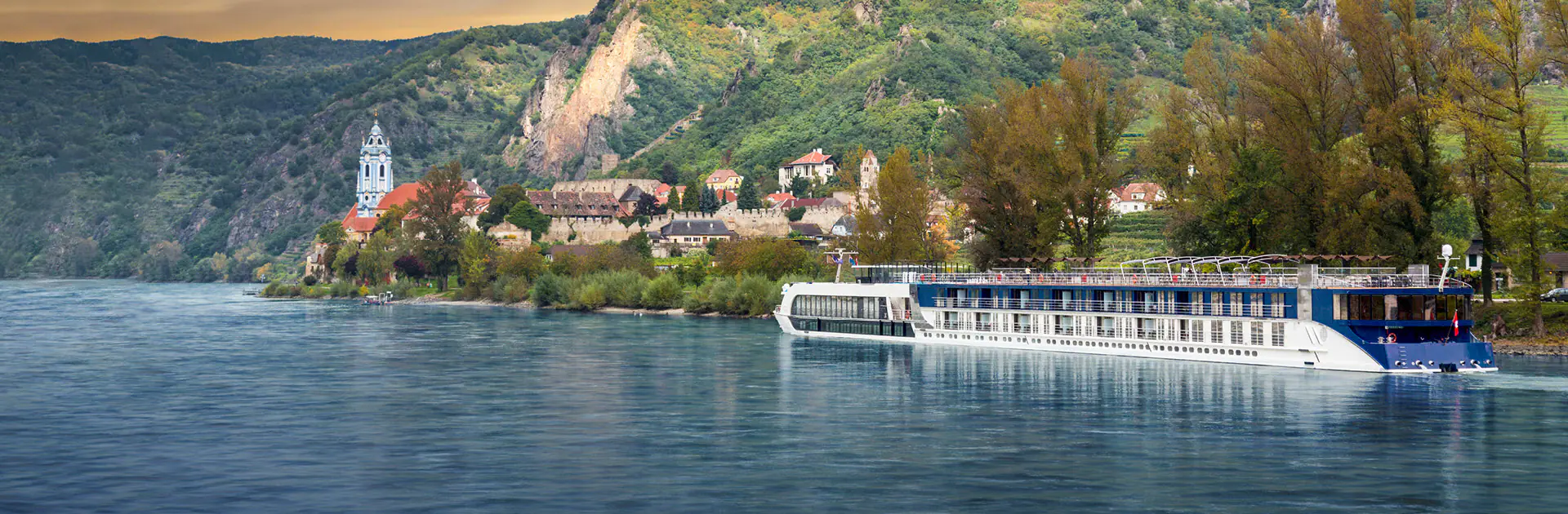
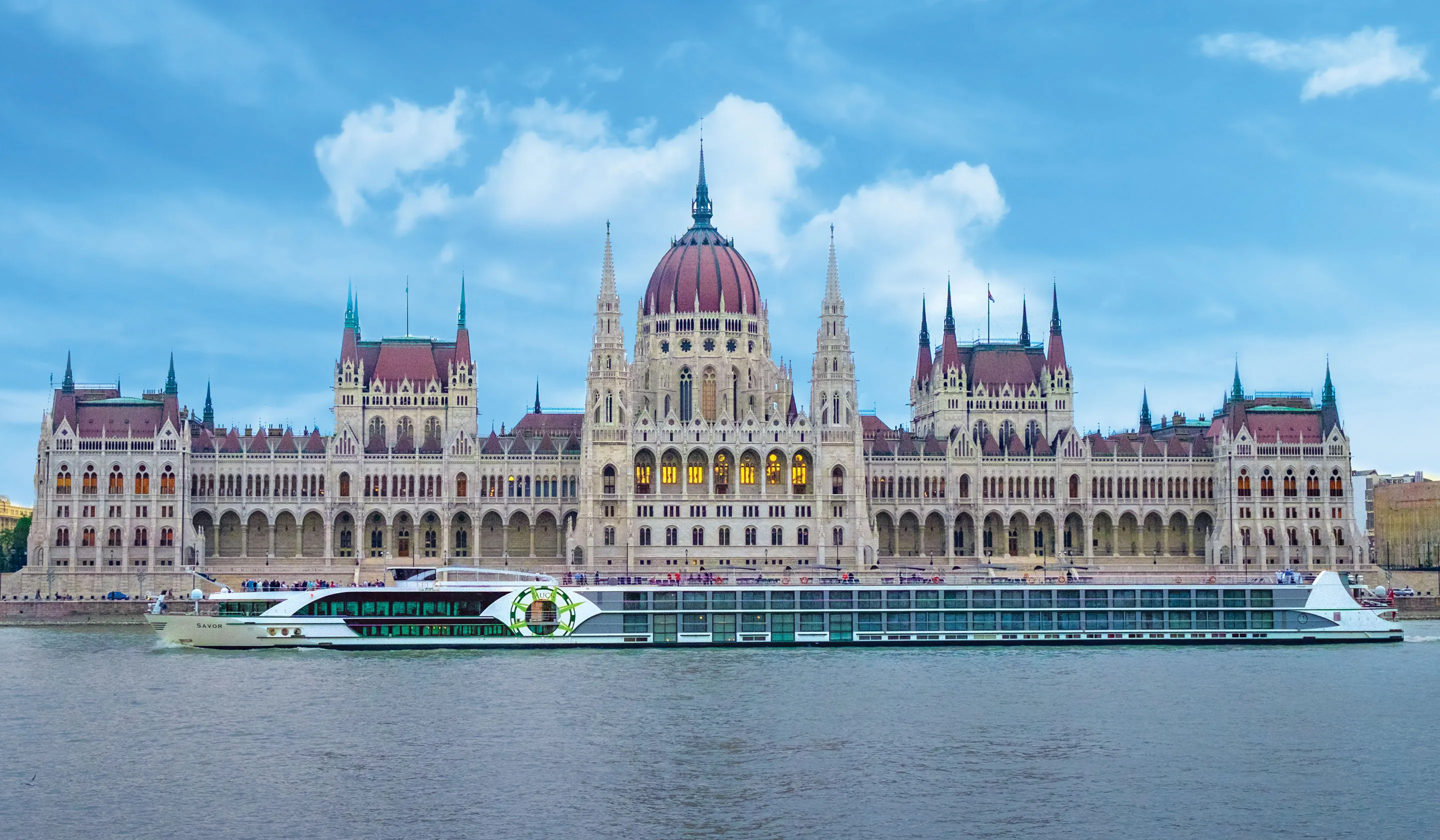
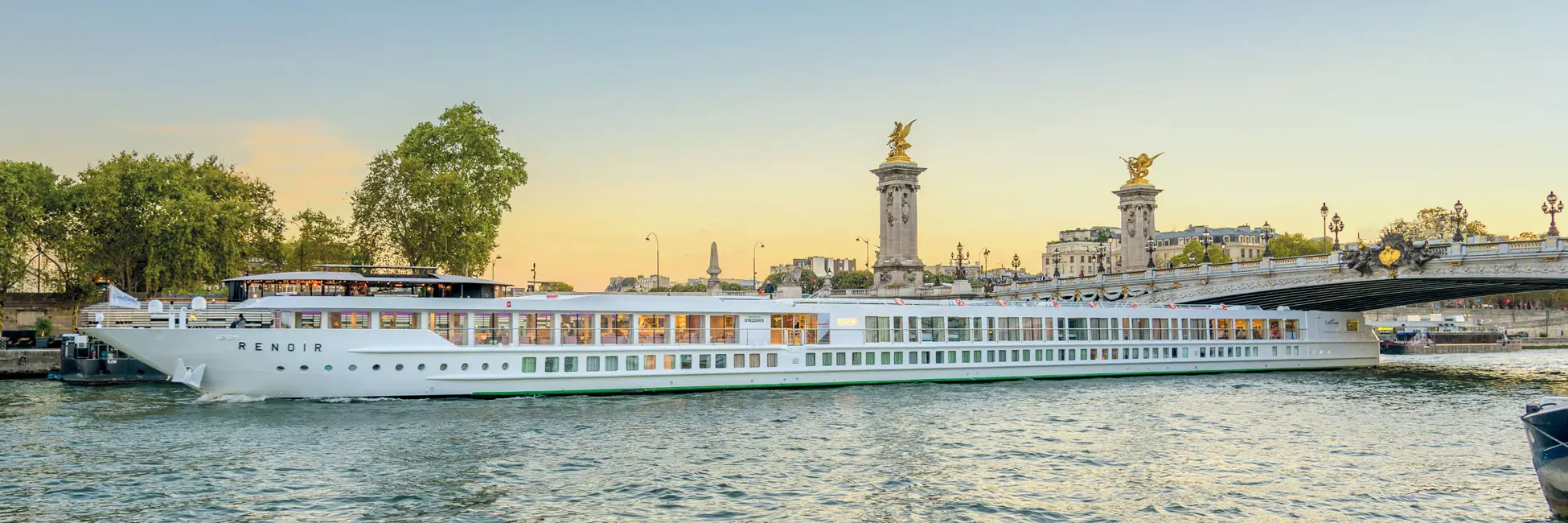
The fleet is genuinely diverse. Full-sized river ships carry up to 180 passengers on the Rhine, Danube, Seine, and Douro. Purpose-built paddlewheel vessels navigate the shallow Loire and Elbe — rivers that conventional cruise ships simply cannot access. Six luxury hotel barges carry just 22 to 24 passengers through the narrow canals of Burgundy, Alsace, and Provence. Expedition vessels operate on the Mekong and Chobe-Zambezi rivers in Africa. Coastal ships cruise the Adriatic and Atlantic. With over 170 itineraries across 40 countries, CroisiEurope sails more European waterways than any competitor, including rivers that other lines rarely or never touch: the Loire, the Guadalquivir near Seville, the Po through Venice, the Gironde through Bordeaux wine country, and the Elbe between Berlin and Prague.
The Schmitter family — Gerard's four children Patrick, Philippe, Christian, and Anne-Marie — continue to run the business today. The company is headquartered in Strasbourg and builds its ships to its own specifications in Belgian and French shipyards, giving it unusual control over design and construction quality. CroisiEurope joined CLIA Australasia in 2025, signalling a genuine intent to grow its presence in the Australian and New Zealand markets through its local representative, Croisi Cruises.
CroisiEurope's value proposition centres on a straightforward all-inclusive model with no confusing package tiers or upsell pressure. The base fare covers your cabin, full board from lunch or dinner on embarkation day through to breakfast or lunch on the final morning, and an open bar running throughout the day — not just at mealtimes. That bar includes wine, beer, fruit juices, soft drinks, coffee, tea, and standard spirits and cocktails. This level of beverage inclusion would cost hundreds extra per person on Viking, AmaWaterways, or Emerald.
Shore excursions are included, with passengers choosing between a Classic programme of traditional sightseeing, walking tours, and museum visits, or a Discovery programme of more active, off-beat experiences such as cycling, urban hiking, and kayaking. You can mix and match between the two throughout the voyage. Wi-Fi is free throughout the ship, though quality is a known weak point — plan for basic email and messaging rather than video calls or streaming. Port taxes and basic repatriation insurance round out the inclusions.
What is not included: gratuities are discretionary at a suggested EUR 5 to 10 per person per day, collected in an envelope on the final evening. Importantly, CroisiEurope crew are salaried employees with benefits rather than seasonal contracted staff reliant on tips, which makes tipping genuinely optional. Premium wines and champagne, spa treatments on ships that offer them, personal purchases ashore, comprehensive travel insurance, and flights and transfers are all at your own cost.
Dining is where CroisiEurope's French DNA shines most clearly. The culinary programme is overseen by Alain Bohn, who has been the company's restaurant manager and menu architect for over 25 years and holds membership in the Maitres Cuisiniers de France — an association of just 250 master chefs nationwide. CroisiEurope chefs have trained alongside Michelin-starred greats including Paul Bocuse and Marc Haeberlin. That pedigree is reflected on the plate.
Each ship has a single main dining room with open seating at shared tables of six to eight. Lunch and dinner are plated, waiter-served affairs — no buffet for main meals. The menu format is set: typically a starter, main course, and dessert with no printed choice. This is a French dining tradition rather than a limitation, and the kitchen will accommodate alternative dishes if you discuss preferences with the Hotel Manager. Menus shift with the landscape — an Alsatian cruise features Alsatian wines and regional specialities, a Bordeaux sailing incorporates local produce, and a Douro voyage draws on Portuguese flavours.
Breakfast is a continental-style buffet with genuinely excellent French pastries and breads, cereals, cold meats, cheeses, eggs cooked to order on some ships, and fresh fruits. Included wines at lunch and dinner are French and generously poured, though most reviewers describe them as decent rather than distinguished. A premium wine list is available at extra cost.
For food-focused travellers, CroisiEurope offers themed gastronomic and wine cruises that elevate the standard programme significantly — featuring guest chefs, master sommeliers, and direct vineyard visits. The Rhine Christmas Market cruises from Strasbourg pair the culinary programme with Europe's oldest Christmas markets. Dietary requirements including vegetarian, vegan, and gluten-free are accommodated with advance notice at booking.
The passenger profile on CroisiEurope is predominantly European. Approximately 55 per cent of guests are French-speaking — from France, Belgium, and Switzerland — with the remainder from Germany, the UK, Scandinavia, and smaller numbers from North America and Australia. The typical guest is aged 55 and above, though families appear during summer months. The atmosphere is distinctly continental European: relaxed, conversational, and food-focused rather than programmed and activity-driven.
The bar and lounge serve as the social hub, with drinks, conversation, and evening entertainment drawing passengers together. Shared dining tables facilitate connections, and the small ship size — typically 100 to 180 guests — means you will recognise faces quickly. Entertainment is modest compared to premium competitors: regional musicians and performers board the ship, crew shows and themed nights fill some evenings, and morning stretch classes or quizzes offer daytime diversions. Ships tend to quieten by eleven at night. There is no casino, no nightclub, and no extensive onboard facilities — no gym, no spa on most vessels, no herb garden or walking track.
The dress code is refreshingly casual. No formal nights, no jacket-and-tie requirements. Continental casual is the evening standard, with one gala dinner per cruise where passengers dress up modestly without enforcement. This is a line where the destination and the dining table are the main events, not the onboard hardware. If you value spacious cabins, multiple dining venues, and extensive leisure facilities, CroisiEurope is not the right fit. If you value authentic food, genuine cultural immersion, and a pace of travel that feels European rather than manufactured, it delivers something that lines charging twice the fare struggle to replicate.
CroisiEurope has been relatively unknown in Australia until recently, and for good reason. The company spent its first four decades focused almost exclusively on the French and European markets, with limited English-language marketing and no local representation. That changed in 2025 when CroisiEurope Australasia joined CLIA, gaining access to over 6,000 travel agents across Australia and New Zealand. The brand is now represented locally by Croisi Cruises, operated by Tweet World Travel out of South Australia, offering AUD pricing and local booking support.
For Australian travellers, the appeal is a European river cruise at a significantly lower price point than the familiar names, with a genuinely all-inclusive fare and access to waterways that no other operator serves. The trade-offs are real and worth understanding before you book. Cabins are smaller than what you will find on Viking, Emerald, or Scenic — entry-level staterooms range from 75 to 140 square feet, and French balconies rather than step-out balconies are the norm. The language environment is French-first, which is either a cultural bonus or a practical barrier depending on your temperament. Wi-Fi quality is poor by modern standards. And older ships in the fleet can show their age, particularly in cabin hardware and air conditioning.
My advice: choose your ship carefully. The newer and recently refurbished vessels — MS Lafayette, MS Gerard Schmitter, MS Amalia Rodrigues, and MS Van Gogh after its 2018 renovation — deliver a notably better onboard experience than the older tonnage. Book an upper-deck cabin for natural light, quieter conditions, and French balcony access. And allow at least one night in the embarkation city before sailing to recover from the long-haul flight. CroisiEurope does not include airfares or transfers, so you will need to arrange your own flights to Strasbourg, Amsterdam, Basel, Budapest, Porto, Paris, or whichever city your itinerary departs from.
CroisiEurope is the value leader in European river cruising, and the numbers make the case clearly. Directional per-diem rates for Australian travellers start from approximately A$300 to A$400 per person per day for a lower-deck cabin in shoulder season, rising to A$400 to A$550 for a standard upper-deck cabin during peak periods. Suites, where available, sit around A$500 to A$700 per day. The French canal barges, carrying just 22 to 24 passengers through Burgundy or Provence, range from A$500 to A$650 per day for an intimate, slow-travel experience.
To put that in context, a representative 7-night Rhine cruise in peak season runs approximately A$4,500 to A$5,500 per person on CroisiEurope, compared to A$5,500 to A$7,000 on Viking, A$6,500 to A$8,500 on AmaWaterways, and A$8,000 to A$11,000 on Scenic. CroisiEurope's fare includes the open bar and excursions, so the effective saving is even larger once you account for what competitors charge as extras.
Early-bird discounts of 10 to 15 per cent are available for advance bookings, and wave season promotions between January and March are common. The deposit is 25 per cent of the cruise price, with the balance due 90 days before departure. Solo travellers benefit from dedicated single cabins at no supplement and a lower-than-average surcharge of 30 to 40 per cent on double cabins booked for single use. Booking through a specialist cruise advisor ensures you receive confirmed AUD pricing, accurate inclusion details for your specific departure, and after-sales support tailored to the Australian market.
Share your dates and preferences and we will come back with CroisiEurope cabin options, pricing, and insider tips.