Seabourn and Silversea are the only two ultra-luxury lines operating both traditional ocean fleets and purpose-built expedition ships. Both reach Antarctica and the Kimberley, both hold polar ice-class certifications, and both maintain genuine ultra-luxury service standards. Here is how their ocean and expedition programmes compare across every dimension that matters.
| Seabourn | Silversea Cruises | |
|---|---|---|
| Category | Expedition / Ultra-Luxury | Expedition / Ultra-Luxury |
| Rating | ★★★★★ | ★★★★★ |
| Fleet size | 5 ships | 12 ships |
| Ship size | Small (under 1,000) | Small (under 1,000) |
| Destinations | Mediterranean, Caribbean, Antarctica, Northern Europe | Mediterranean, Antarctica, Asia-Pacific, Arctic |
| Dress code | Casual elegance | Casual elegance |
| Best for | Ultra-luxury intimate ship enthusiasts | Ultra-luxury all-inclusive travellers |
This is ultra-luxury cruising's most consequential dual-fleet comparison. Silversea fields twelve ships to Seabourn's four, deploys brand-new Nova-class vessels alongside a proven four-ship expedition fleet, and offers 23-plus Australian departures annually with cross-brand loyalty integration through Royal Caribbean and Celebrity. Seabourn counters with purpose-built expedition ships, the Dr. Andrew Weil wellness programme, Caviar in the Surf, and an intimate ocean fleet of two ships carrying 600 guests each. Choose Seabourn for intimate expedition ships, wellness-integrated cruising, and the Kimberley with a Wunambal Gaambera cultural partnership. Choose Silversea for fleet breadth, butler service in every suite, S.A.L.T. culinary immersion, Nova-class modernity, Galapagos access, and the strongest Australian accessibility in ultra-luxury cruising.
The core difference
Seabourn and Silversea are the only two ultra-luxury lines operating both traditional ocean fleets and purpose-built expedition ships. This makes their comparison uniquely consequential for travellers who want exploration wrapped in genuine luxury — and uniquely complex, because you are comparing not two products but four: two ocean fleets and two expedition fleets, each with distinct strengths.
Both lines hold ice-class certifications on their expedition vessels. Both reach Antarctica, the Arctic, and the Kimberley. Both include Zodiac landings, expert naturalist teams, and all expedition activities in the fare. And both maintain the service standards, dining quality, and suite appointments expected at the top of the market.
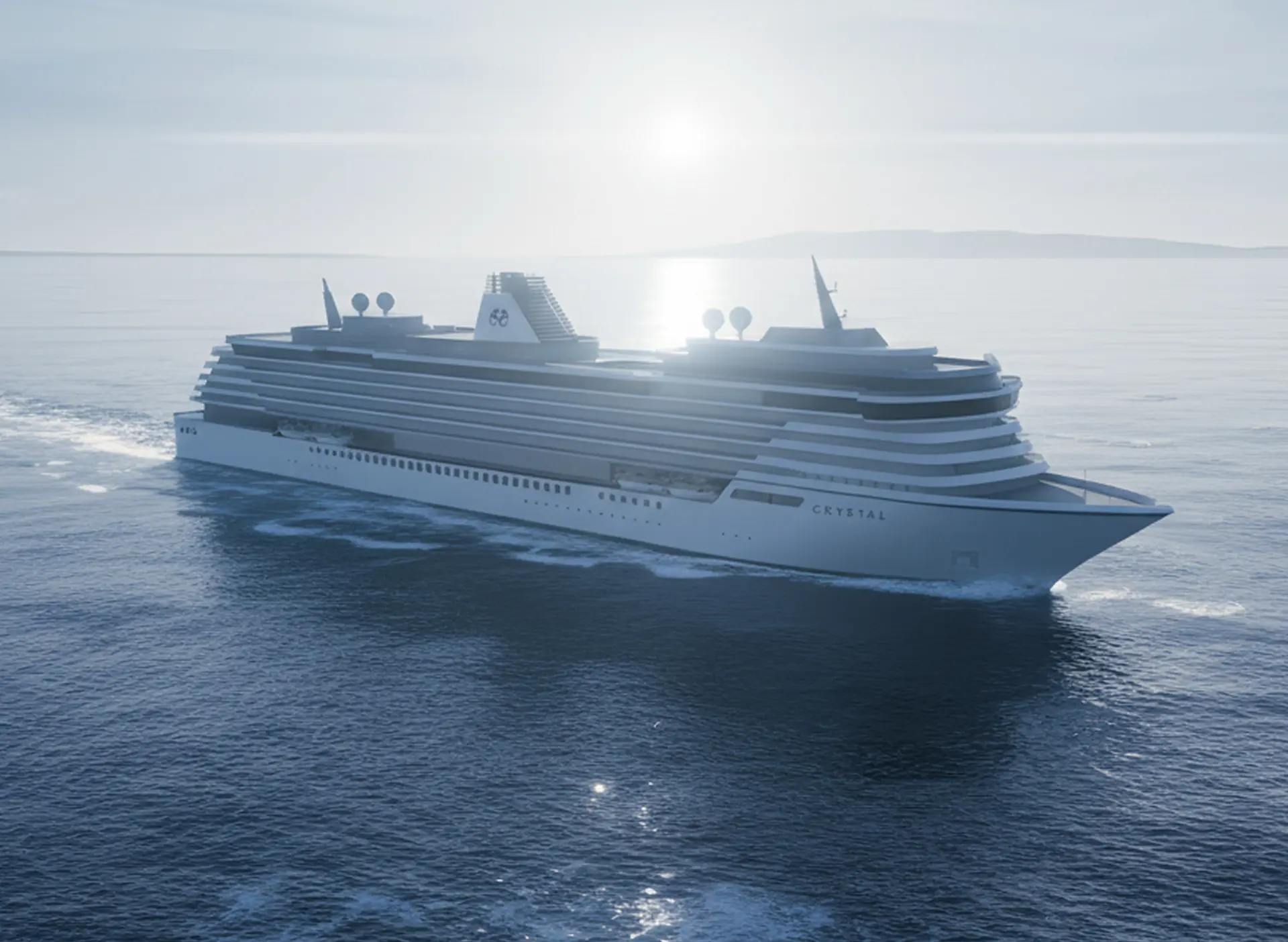
But the similarities mask a substantial scale difference. Silversea operates twelve ships — eight ocean vessels and four dedicated expedition ships — reaching more than 600 destinations across every continent. Seabourn operates four active ships — two ocean ships carrying approximately 600 guests each (Ovation and Encore), and two expedition ships carrying 264 guests each (Venture and Pursuit). The ocean fleet has contracted: Seabourn Odyssey was sold in 2024, and Seabourn Sojourn was sold to Mitsui O.S.K. Lines in 2025. Silversea’s fleet is not merely larger; it is structurally different. Silver Nova and Silver Ray (launched 2023 and 2024) are the newest ocean ships in ultra-luxury, featuring asymmetric design and the S.A.L.T. culinary programme. Silver Endeavour — the former Crystal Endeavor, widely regarded as the most luxurious expedition ship ever built — carries just 200 guests with a 1:1 crew-to-guest ratio. Silver Origin is the only purpose-built ultra-luxury Galapagos ship afloat.
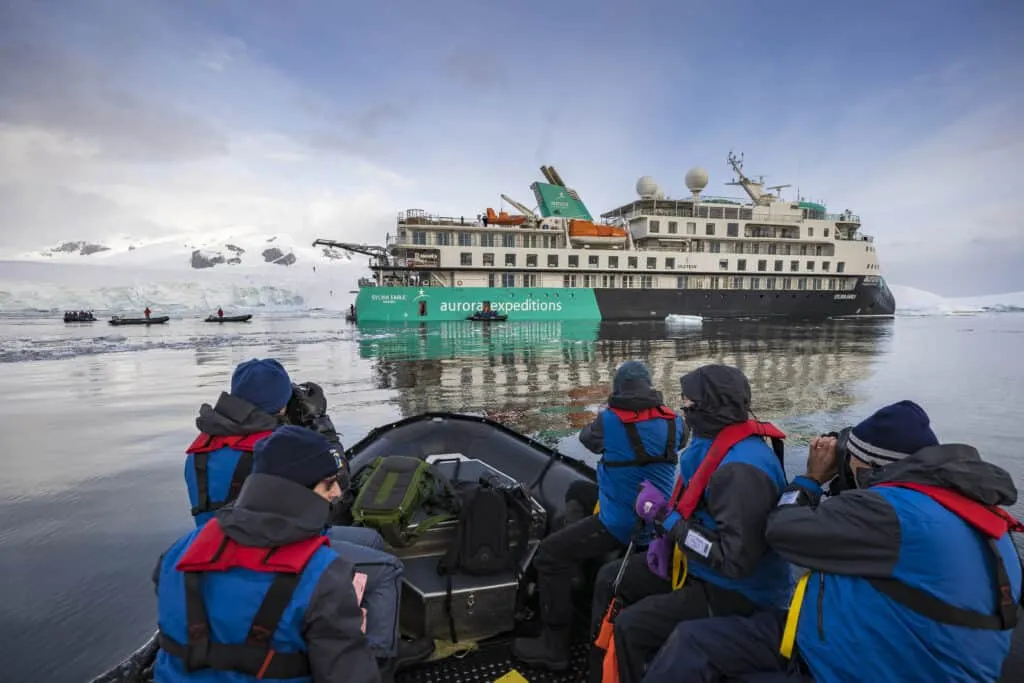
Seabourn’s counter is focus and intimacy. The two expedition ships were purpose-built from the keel up for expedition cruising, with PC6 Polar Class hulls, 24 Zodiacs per ship, and a 23-person expedition team including ornithologists, marine biologists, geologists, and historians. These ships previously carried custom-built submarines — a genuinely unique asset — but Seabourn confirmed in February 2026 that the submarine programme was ending due to low participation and operational complexity, with the final dives completed in March 2026. What remains is an expedition product that still ranks among the most luxurious afloat: all-suite accommodation with the largest entry-level suites in expedition cruising (355 square feet), all-inclusive dining without surcharges, and Helly Hansen expedition parkas gifted to every guest.
For Australian travellers, the practical gap is wide. Silversea offers 23-plus sailings from Australian ports annually with a Sydney office and a dedicated Australian reservations team. Seabourn’s Australian footprint is more focused, centred on Kimberley expeditions from Broome and Darwin on Seabourn Pursuit. If you want to board an ultra-luxury expedition or ocean ship without leaving Australia, Silversea provides dramatically more options.
What is actually included
Both lines deliver genuinely all-inclusive fares — but the specifics reveal different priorities and a few meaningful gaps.
Seabourn includes: premium spirits, wines, and champagne throughout the ship; fine dining at all restaurants without surcharges; gratuities; complimentary Starlink Wi-Fi; 24-hour in-suite dining; and personalised suite service. On expedition ships (Venture and Pursuit), all Zodiac excursions, expert-led landings, nature walks, snorkelling, and the polar plunge are included. A Helly Hansen PolarShield parka and waterproof backpack are gifted on expedition voyages; insulated boots are loaned. Swarovski Optik binoculars are loaned for the duration of the voyage. Antarctic voyages include a pre-cruise hotel stay in Buenos Aires and charter flights to Ushuaia. The signature Caviar in the Surf experience — champagne and caviar served beachside at select ports, or adapted as Caviar on Ice in polar settings — is complimentary.
Silversea includes: premium spirits, wines, and champagne; butler service in every suite category on every ship; gratuities; unlimited Wi-Fi; 24-hour in-suite dining; and most dining without surcharges. La Dame (French tasting menu) carries a USD 60 supplement on expedition and older ocean ships. On Nova-class ships, Kaiseki (Japanese fine dining) carries a USD 40-80 supplement. On expedition ships, all Zodiac excursions, expert-guided landings, kayaking, and expedition gear (parka gifted on polar voyages) are included. Boots are available for rental at USD 98 per cruise plus a refundable deposit. On fly-cruise Antarctic itineraries under the All-Inclusive Plus fare, charter flights and pre/post hotel stays are also covered. Door-to-door transfers via Blacklane are included up to 50 miles from home to airport or port.
The critical inclusion difference is butler service. Silversea assigns a dedicated butler to every suite on every ship — including the smallest Classic Veranda category and all expedition vessels. The butler unpacks luggage, manages the wardrobe, restocks the minibar daily, makes dining reservations, and remembers preferences across voyages. Seabourn provides butler service from Penthouse Suites upward but does not extend the formal programme to entry-level categories. For travellers who consider a dedicated butler fundamental to ultra-luxury cruising, this is a structural advantage for Silversea.
The dining inclusion difference favours Seabourn. Every restaurant on every Seabourn ship is included without surcharges. Silversea includes most dining but charges supplements at La Dame and, on Nova-class ships, at Kaiseki. The practical impact is modest — perhaps USD 120-200 per couple over a voyage — but the simplicity of Seabourn’s model appeals to travellers who dislike any form of surcharge at this price point.
The expedition inclusion difference on kayaking favours Silversea. Silversea includes kayaking as a complimentary activity on all expedition ships with equipment provided. Seabourn charges approximately USD 199-250 per person per session for kayaking — a surcharge that is consistently cited as a sore point on a product costing AUD 17,000-plus per person. Eight double kayaks are available per ship, and capacity is limited.
Silversea’s fare restructure (September 2025): The former Door-to-Door fare — which included economy flights, private home-to-port transfers, and shore excursion credits — was retired. Three tiers now apply: All-Inclusive Plus (best value, includes shore excursion credits and refundable deposit), All-Inclusive (non-refundable deposit), and Last-Minute (within five months of departure).
Dining and culinary experience
The culinary comparison between Seabourn and Silversea is a contest between surcharge-free simplicity and a destination-integrated culinary ecosystem — and both approaches have passionate advocates.
Seabourn’s ocean dining centres on Solis, a refined tasting-menu restaurant that replaced The Grill by Thomas Keller when that eight-year partnership ended in spring 2024. Solis serves contemporary cuisine with seasonal ingredients in an intimate setting — a quality fine-dining venue, though it no longer carries a celebrity-chef name. The Restaurant serves globally inspired fine dining with open seating and rotating menus. The Colonnade offers indoor-outdoor casual dining. Sushi is available on ocean ships. All dining is included without surcharges across the entire fleet.
Seabourn’s expedition dining operates a different programme purpose-built for expedition life. The Restaurant serves breakfast, lunch, and dinner with open seating. The Colonnade converts to Earth & Ocean for dinner — a waiter-served bistro with rotating themed nights featuring cuisines from Singapore, India, France, and beyond. The Club serves sushi and cocktails. Seabourn Square provides speciality coffees, pastries, and gelato throughout the day. The Bow Lounge offers grab-and-go options between expedition activities. All dining is included without surcharges. The signature Caviar in the Surf experience is adapted for polar settings as Caviar on Ice — an onboard event with an ice-sculpted bar, fine champagnes, and caviar served on blini.
Silversea’s culinary centrepiece on ocean ships is S.A.L.T. — Sea And Land Taste, overseen by Adam Sachs, former Editor-in-Chief of Saveur magazine. The programme spans multiple venues. S.A.L.T. Kitchen changes its menu every few days based on the ship’s current region — dishes served in the Greek islands will not appear in Norway. S.A.L.T. Lab offers hands-on cooking classes for small groups, teaching regional techniques. S.A.L.T. Bar serves destination-inspired cocktails with local spirits. S.A.L.T. Shore curates food-focused excursions to markets, farms, and artisan producers. S.A.L.T. is available on Silver Moon, Silver Dawn, Silver Nova, Silver Ray, and Silver Muse. Beyond S.A.L.T., Nova-class ships offer La Terrazza (Italian), Atlantide (global fare), La Dame (French tasting menu, USD 60 supplement), Kaiseki (Japanese, USD 40-80 supplement), Silver Note (jazz supper club), and the main restaurant.
Silversea’s expedition dining does not include the S.A.L.T. programme — none of the expedition ships carry dedicated S.A.L.T. venues. However, expedition ships incorporate destination-inspired cuisine into their menus, with local ingredient sourcing and regional dishes reflecting the voyage itinerary. Silver Endeavour offers six dining options including La Dame (USD 60 supplement), Il Terrazzino (Italian), The Grill (poolside), and The Restaurant. Silver Cloud and Silver Wind offer The Restaurant, La Terrazza, La Dame, and The Grill. Silver Origin carries The Restaurant and The Grill only.
The comparison: Seabourn wins on surcharge-free simplicity across every ship — you will never encounter a supplement or restriction. Silversea’s S.A.L.T. programme creates a culinary ecosystem that Seabourn cannot match in breadth or destination integration, but it exists only on ocean ships and carries supplements at select speciality venues. For food-motivated travellers sailing on ocean ships, Silversea’s S.A.L.T. is the more compelling proposition. For travellers who value the peace of mind that every restaurant on every ship is fully included, Seabourn’s model is cleaner.
Suites and accommodation
Silversea holds an advantage in fleet modernity on the ocean side, while Seabourn’s expedition ships offer the largest entry-level suites in expedition cruising. The butler service distinction carries through to the suite experience.
Seabourn’s ocean ships (Ovation and Encore) carry approximately 600 guests in all-suite accommodation. The entry-level Veranda Suite is well-proportioned at approximately 269-295 square feet including a private veranda. The Penthouse Suite spans approximately 436 square feet. The Grand Wintergarden Suite — a two-storey residence with a glass-enclosed solarium — reaches approximately 1,400 square feet. All suites feature walk-in closets, marble bathrooms, and Molton Brown amenities. The crew-to-guest ratio is approximately 1:1.8 — attentive and personalised, though lower than the 1:1 figure sometimes cited in older marketing materials. Butler service is available from Penthouse Suites upward.
Seabourn’s expedition ships (Venture and Pursuit) offer 132 all-veranda suites across eight categories. The entry-level Veranda Suite starts at 355 square feet including veranda — substantially larger than most expedition competitors and larger than Seabourn’s own ocean entry-level suites. The Panorama Veranda Suite spans 420 square feet with floor-to-ceiling windows and a soaking tub with ocean views. The Grand Wintergarden Suite reaches 1,400 square feet across two levels. Every suite features marble-lined bathrooms with heated floors, separate bathtubs (a genuine luxury after cold expedition landings), and in-suite clothes dryers — an extremely practical feature for polar voyages. Butler service is available from Penthouse Suites upward.
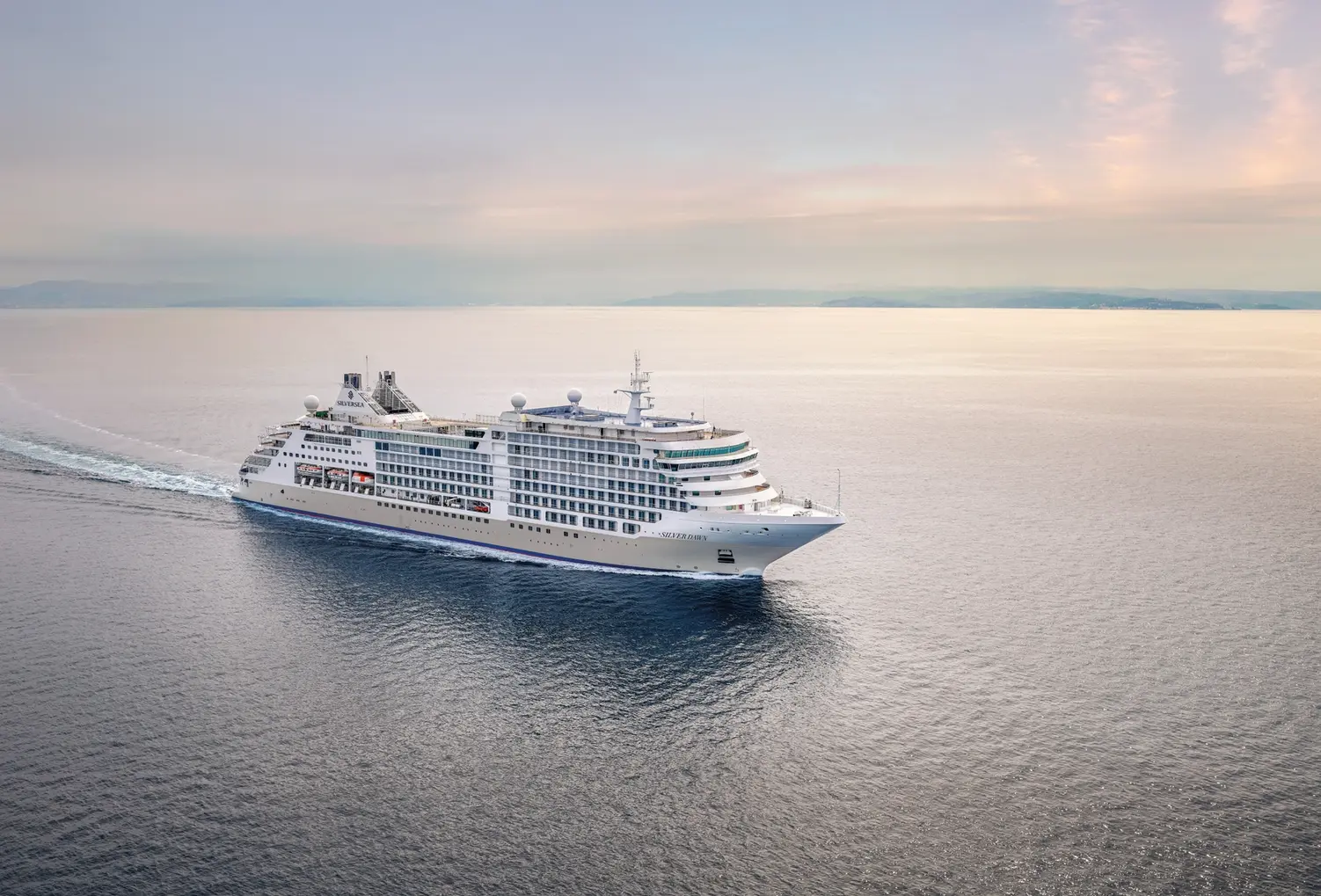
Silversea’s Nova-class ships (Silver Nova, Silver Ray) feature Classic Veranda Suites from approximately 357 square feet including veranda — comparable to Seabourn’s expedition entry level and larger than Seabourn’s ocean entry level. The Otium Suite spans 1,324 square feet with 270-degree panoramic views, and Otium Suite guests receive a complimentary spa treatment. On Muse-class ships (Silver Moon, Silver Dawn), the Classic Veranda starts at approximately 345 square feet. On older ships (Silver Shadow, Silver Whisper), Vista Suites start at approximately 287 square feet with picture windows but no balcony. Every Silversea suite on every ship receives dedicated butler service — the critical distinction.
Silversea’s expedition suites vary across the fleet. Silver Endeavour’s Classic Veranda Suites start at 304 square feet — smaller than Seabourn Venture’s entry level. However, the flagship suites are exceptional: the Owner’s Suite reaches 1,868 square feet with 737 square feet of private veranda, and the Master Suite (added in the 2023 refit) offers 1,163 square feet with 270-degree panoramic glazing. Silver Cloud and Silver Wind offer similar hierarchies from Classic Veranda through Royal Suite. Butler service is included in every category on every expedition ship.
The design comparison: Silversea’s Nova-class ships represent a different generation of luxury ship design — asymmetric layouts, aft-facing wake-view suites, glass balustrades, and a contemporary European aesthetic. Seabourn’s ocean ships are elegant and refined but reflect mid-2010s design language. Seabourn’s expedition ships, however, are virtually new (2022-2023) and purpose-built with lodge-style interiors featuring faux fireplaces, fur pillows, and green velveteen accents. On the expedition side, the design gap narrows substantially — and Seabourn’s larger entry-level suites with bathtubs and clothes dryers represent a practical advantage for expedition travellers.
Pricing and value
Both lines sit in the upper reaches of ultra-luxury pricing, with Seabourn generally positioning slightly below Silversea on ocean itineraries and at comparable levels on expedition voyages.
Seabourn’s ocean per-diem runs approximately USD 550-850 per person per night depending on voyage length, ship, and suite category. A seven-night Mediterranean sailing in a Veranda Suite on Ovation or Encore costs roughly USD 600-750 per night at time of writing. Longer sailings and repositioning segments can drop to USD 450-600 per night. Expedition voyages on Venture or Pursuit command higher per-diems, typically USD 800-1,200 per night. Antarctic itineraries from approximately AUD 21,500 per person for a 12-day voyage in an entry-level Veranda Suite. Kimberley expeditions from approximately AUD 17,800 per person for a 10-day voyage.
Silversea’s ocean per-diem runs approximately AUD 780-1,200 per person per night for Australian and New Zealand sailings, and USD 700-1,000 for Mediterranean voyages on Nova-class ships. Kimberley expeditions on Silver Cloud pricing is available through Silversea’s Sydney office. Silver Endeavour Antarctic fly-cruise voyages start from approximately USD 16,100 per person for a six-night itinerary. Promotional pricing on repositioning sailings can be remarkably competitive.
The value equation for Australians: Silversea’s 23-plus Australian departures annually eliminate the cost of international flights entirely for domestic sailings. A Silversea voyage departing Sydney may carry a higher per-night fare than a comparable Seabourn Mediterranean sailing, but the total holiday cost — once business-class flights to Europe (AUD 8,000-18,000 per person return), transfers, and pre/post accommodation are factored in — often favours Silversea for Australians valuing convenience. For expedition, both lines operate Kimberley programmes from Broome, making the flight cost comparable. For Antarctic expeditions, Seabourn includes Buenos Aires hotel and charter flights to Ushuaia; Silversea’s All-Inclusive Plus fare covers equivalent logistics. The comparison comes down to the onboard experience.
Solo traveller consideration: Silversea offers significantly more competitive solo supplements — as low as 10 per cent on selected sailings, with promotions occasionally reaching zero per cent. Seabourn’s standard solo supplement is 200 per cent of double occupancy (effectively paying for the full cabin), with reduced promotions at 125 per cent. For solo travellers, Silversea represents substantially better value.
Seabourn’s inclusion of all dining without surcharges represents a marginal value advantage over Silversea’s model. Silversea’s universal butler service and included kayaking on expedition ships represent qualitative and quantitative value advantages that many travellers find more significant.
Spa and wellness
Both lines offer quality wellness programmes, with Seabourn’s partnership with Dr. Andrew Weil representing the more distinctive and deeply integrated approach.
Seabourn’s Spa & Wellness with Dr. Andrew Weil is a collaboration with the world-renowned integrative medicine pioneer. The programme extends beyond the spa into daily life aboard — Mindful Living workshops led by a certified Mindful Living Coach, guided meditation sessions, yoga on deck, holistic wellness seminars, and wellness-focused menu options in the dining room. The spa facilities on ocean ships include treatment rooms, a thermal suite, and a fitness centre with Technogym equipment and ocean views. On expedition ships, wellness programmes integrate with the destination — yoga on deck before an Antarctic landing, mindfulness sessions against a backdrop of Kimberley gorges. Spa treatments include signature Thai Poultice massages using traditionally prepared herbs. Complimentary wellness classes are available on every voyage. The philosophy is holistic rather than cosmetic — treating wellness as a dimension of the voyage rather than a menu of treatments.
Silversea’s Otium Spa on Nova-class ships draws from the Roman concept of otium — leisure devoted to intellectual and physical well-being. The spa includes an indoor relaxation pool, eight treatment rooms (including two Otium rooms with experiential showers), gender-separated steam and sauna rooms, and floor-to-ceiling ocean views. Products are by ESPA, 111SKIN, and Pisterzi. Otium Suite guests receive a complimentary treatment valued at up to USD 399. On Muse-class and older ships, the spa offering is more traditional and smaller in scale. On expedition ships, the spa programme is necessarily more compact — Silver Endeavour, Silver Cloud, and Silver Wind carry smaller spa facilities adapted to the expedition rhythm.
The comparison: Seabourn’s Dr. Andrew Weil partnership provides a more philosophically integrated wellness approach — it shapes the daily experience rather than existing as a separate facility. This integration is particularly powerful on expedition ships, where wellness sessions are woven into the exploration schedule. Silversea’s Otium concept on Nova-class ships offers superior physical facilities — the relaxation pool, experiential showers, and thermal suite exceed what Seabourn’s ocean ships provide. On expedition ships, Seabourn’s wellness integration with the destination is a genuine differentiator that Silversea does not match.
Entertainment and enrichment
Neither line programmes Broadway-style production shows or loud evening entertainment. Both attract travellers who consider this a virtue. The enrichment approaches differ in focus — and on expedition ships, the destination itself becomes the primary programme.
Seabourn’s enrichment centres on its expedition team — the 23-person Discovery Team of naturalists, historians, scientists, and destination specialists who deliver lectures, lead excursions, and provide expert commentary. On expedition ships, this team is the core of the experience — daily briefings at 7 AM, Zodiac-led wildlife encounters through the morning and afternoon, and post-excursion recap sessions in the evening that feel like a postgraduate seminar on marine biology or glaciology. Open bridge access allows guests to stand beside the captain as the ship navigates ice. Swarovski binoculars loaned to every cabin encourage constant wildlife watching. On ocean ships, Seabourn Conversations brings guest speakers aboard for destination-focused talks and cultural programming. The Image Masters photography programme (USD 1,500-1,850 for a four-day masterclass, limited to ten participants) offers dedicated photo Zodiac cruises and individual mentoring on expedition voyages. Evening entertainment includes live music, piano bar, and quiet socialising. The dress code is casual elegance — no formal nights.
Silversea’s enrichment on ocean ships is anchored by the S.A.L.T. programme, which extends from the ship to every port. S.A.L.T. Lab cooking classes, S.A.L.T. Bar cocktail experiences, and S.A.L.T. Shore culinary excursions provide daily enrichment that connects food to destination. Silver Note jazz supper club provides evening atmosphere on Nova-class ships. Guest lecturers cover history, science, and culture. Silversea’s expedition enrichment is delivered by teams of up to 28 specialists per voyage on Silver Endeavour — marine biologists, physical geographers, historians, ornithologists, and filmmakers. The Royal Geographical Society partnership provides bespoke, itinerary-focused scientific and historical content curated specifically for each voyage route. Daily briefings and guided landings mirror the structure of Seabourn’s programme.
The enrichment distinction on expedition ships: Silversea’s Silver Endeavour carries the larger expedition team (up to 28 specialists versus Seabourn’s 23), yielding a guide-to-guest ratio of approximately 1:7 compared to Seabourn’s 1:11. This translates to smaller groups on landings and more personalised naturalist attention. The Royal Geographical Society partnership adds an archival and historical dimension that Seabourn does not match. Seabourn counters with open bridge access on every voyage and the Cineflex bow camera that live-streams forward views to suites — features that create a sense of active participation in navigation.
The enrichment distinction on ocean ships: Silversea’s S.A.L.T. provides more structured daily enrichment and a social anchor through cooking classes and culinary events. Seabourn’s evenings and service culture provide a more intimate social atmosphere. Neither line offers the production shows or large-scale entertainment found on premium lines — and neither line’s guests want them.
Fleet and destination coverage
This is Silversea’s most commanding advantage — twelve ships against four, with newer ocean tonnage, a broader expedition reach, and a dedicated Galapagos ship.
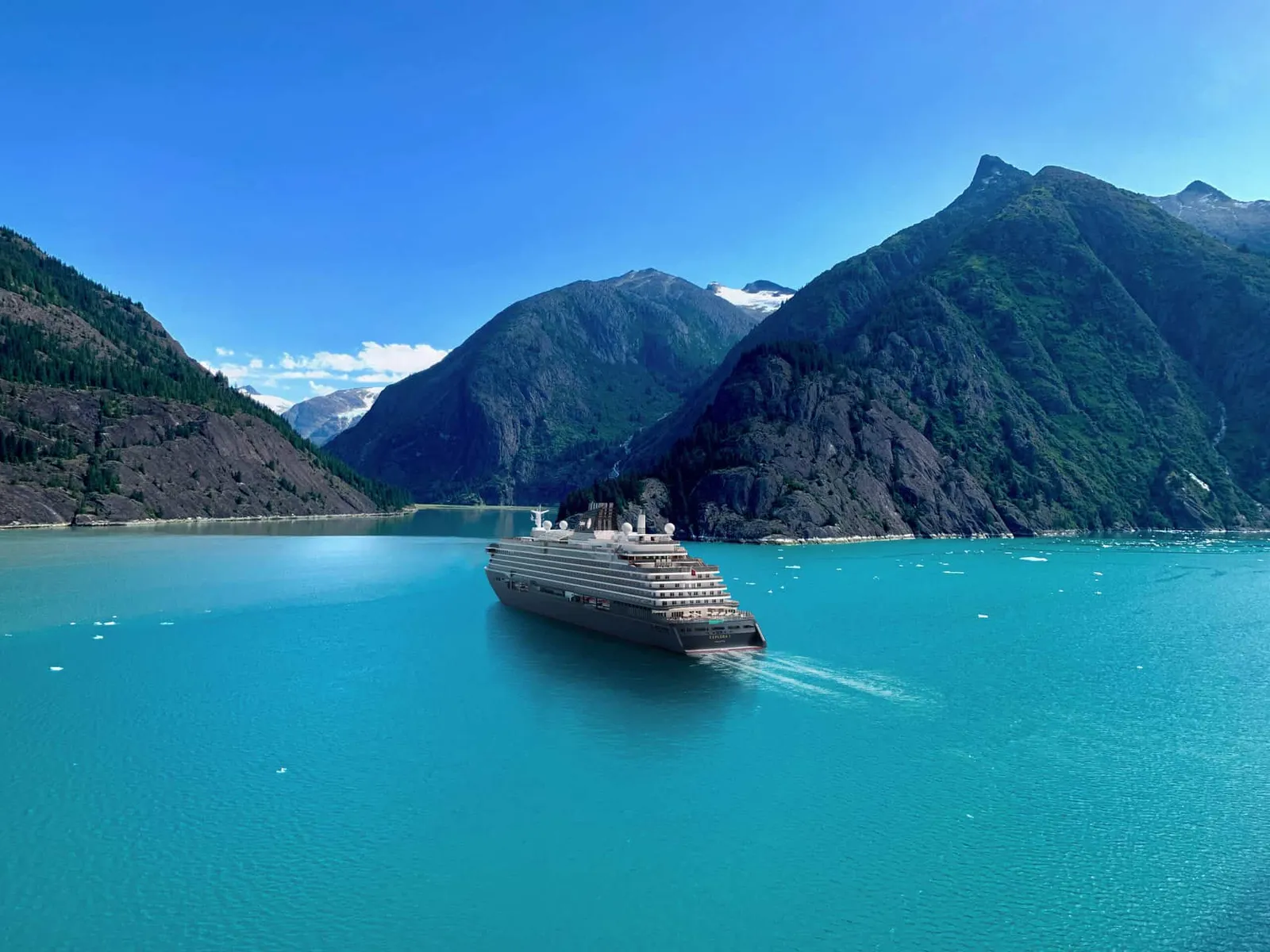
Seabourn operates four ships. The ocean fleet comprises Seabourn Ovation (2018, approximately 600 guests) and Seabourn Encore (2016, approximately 600 guests). Seabourn Odyssey was sold in 2024, and Seabourn Sojourn was sold to Mitsui O.S.K. Lines in March 2025 (chartering back through May 2026). The expedition fleet comprises Seabourn Venture (2022, 264 guests, PC6 ice class) and Seabourn Pursuit (2023, 264 guests, PC6 ice class). Destinations include the Mediterranean, Northern Europe, Antarctica, the Arctic, the Kimberley, the Amazon, the South Pacific, and the Northwest Passage. Venture deploys primarily to Antarctica and the Arctic; Pursuit covers the Kimberley, South Pacific, and Antarctica. The fleet contraction from five ocean ships to two raises questions about Seabourn’s long-term direction within parent company Carnival Corporation, though the expedition fleet remains intact and actively expanding its itinerary programme.
Silversea operates twelve ships. The ocean fleet comprises Silver Nova (2023, 728 guests), Silver Ray (2024, 728 guests), Silver Dawn (2022, 596 guests), Silver Moon (2020, 596 guests), Silver Muse (2017, 596-632 guests), Silver Spirit (2009, 608 guests), Silver Shadow (2000, 382 guests), and Silver Whisper (2001, 392 guests). The expedition fleet comprises Silver Endeavour (2021, 200 guests, PC6 ice class), Silver Cloud (1994, converted to expedition 2017, 254 guests, Ice Class 1C), Silver Wind (1995, converted to expedition 2020, 274 guests, Ice Class 1C), and Silver Origin (2020, 100 guests, Galapagos-dedicated). Destinations span 600-plus ports across 100-plus countries on every continent. The 2025-2026 season features 131 expedition voyages across four ships. Silversea has announced 414 total voyages across all twelve ships for February 2027 to May 2028 — its largest deployment in history.
The scale difference is structural. In any given month, Silversea has ships deployed across a dozen regions simultaneously. Seabourn’s four ships cover fewer regions with fewer departure dates. For the Australian traveller with specific travel windows, Silversea’s fleet breadth provides dramatically more flexibility. Silversea also reaches the Galapagos year-round on Silver Origin — a destination Seabourn does not serve.
The expedition fleet comparison in detail. Silversea deploys three ships to Antarctica simultaneously (Silver Endeavour, Silver Cloud, Silver Wind), offering approximately 38-40 Antarctic voyages per season across multiple itinerary types — fly-cruise (six nights), classic peninsula (10-12 days), and grand expeditions including South Georgia and the Falklands (18-24 days). Silver Endeavour completed its inaugural Northwest Passage transit in 2025 and operates 21 Arctic voyages for 2026. Seabourn deploys both expedition ships to Antarctica during the austral summer, with 16-plus departures per season. Venture handles Arctic and Northwest Passage sailings (two departures in 2026), while Pursuit covers the Kimberley (eight departures in 2026, expanded from earlier seasons). Silversea’s expedition fleet covers more ground; Seabourn’s smaller fleet focuses on fewer regions with greater seasonal depth.
Seabourn’s advantage is consistency across its smaller fleet. Four ships of comparable quality mean less variation in the guest experience. Silversea’s fleet spans three decades — the difference between sailing Silver Nova (2023) and Silver Whisper (2001) is substantial, and Silver Cloud’s 1994 hull, despite its 2017 expedition conversion, is showing its age according to guest reviews.
Where each line excels
Seabourn excels in:
- All-inclusive dining simplicity. Every restaurant on every ship is included without surcharges, supplements, or complexity. No La Dame supplement, no Kaiseki upcharge, no reservation restrictions. Dine anywhere, any night, without additional cost.
- Expedition suite size. Entry-level Veranda Suites on Venture and Pursuit start at 355 square feet — the largest entry-level expedition suites afloat. Separate bathtubs and in-suite clothes dryers are practical luxuries competitors do not match.
- Dr. Andrew Weil wellness. The most philosophically integrated wellness programme in ultra-luxury — extending from the spa into daily dining, enrichment, and Mindful Living workshops. Particularly powerful on expedition voyages where wellness sessions complement the exploration schedule.
- Caviar in the Surf. Champagne and caviar served on a pristine beach at select ports, or as Caviar on Ice in polar settings. A signature experience that captures Seabourn’s approach to luxury — unexpected, generous, and impossible to replicate at home.
- Kimberley cultural partnership. Seabourn Pursuit was named with the Wunambal Gaambera people — traditional landowners of the Kimberley coast — serving as godparents of the ship. Cultural experiences with Indigenous communities are integrated into the Kimberley programme.
- Purpose-built expedition design. Both ships were designed from the keel for expedition cruising — not converted ocean liners. PC6 Polar Class hulls, 24 Zodiacs per ship, ABB Azipod propulsion for superior manoeuvrability in ice, and a dedicated expedition staging area.
Silversea excels in:
- Fleet breadth and modernity. Twelve ships including two brand-new Nova-class vessels (2023-2024) and four dedicated expedition ships. More ships, more itinerary choice, more departure dates, and the newest ocean hardware in the segment.
- Butler service universality. A dedicated butler in every suite on every ship — a distinction only Silversea and Crystal offer in ultra-luxury. The qualitative difference is consistently cited as transformative by experienced luxury cruisers.
- S.A.L.T. culinary programme. Destination-changing restaurant menus, cooking classes, culinary shore excursions, and regionally crafted cocktails on five ocean ships. A culinary ecosystem no competitor matches.
- Australian accessibility. Twenty-three-plus sailings from Australian ports annually, a Sydney office, Kimberley expeditions from Broome, and a dedicated Australian reservations team. The strongest Australian presence in ultra-luxury alongside Regent.
- Cross-brand loyalty. The Venetian Society integrates with Royal Caribbean and Celebrity through one-for-one status matching and the Points Choice programme — a loyalty pathway from domestic cruising to ultra-luxury that Seabourn cannot replicate within Carnival Corporation.
- Galapagos capability. Silver Origin is the only purpose-built ultra-luxury ship in the Galapagos, operating year-round from Baltra with 100 guests and a 1:1 crew-to-guest ratio. Seabourn does not serve this destination.
- Expedition fleet depth. Four expedition ships covering Antarctica (three ships simultaneously), the Arctic, the Northwest Passage, the Kimberley, and the Galapagos — the broadest expedition programme in ultra-luxury.
- Included kayaking. Kayaking is complimentary on all Silversea expedition ships with full equipment provided. Seabourn charges USD 199-250 per session.
Standout itineraries for Australian travellers
Seabourn
Seabourn Pursuit: Kimberley expedition (10 days, Broome to Darwin or reverse, May-September) — Seabourn’s Australian signature itinerary and the most accessible expedition product for Australian travellers. Zodiac landings at King George Falls, Montgomery Reef, and the Horizontal Waterfalls. Cultural experiences with the Wunambal Gaambera people. The 23-person Discovery Team of naturalists and marine biologists leads every excursion. Optional helicopter flights to Mitchell Falls. Eight departures in 2026, with a further four confirmed for 2027. Domestic flights to Broome or Darwin from all east coast capitals. From approximately AUD 17,800 per person in a Veranda Suite.
Seabourn Venture: Antarctica (12-22 days from Ushuaia) — PC6 ice-class expedition through the Antarctic Peninsula, with extended itineraries adding South Georgia and the Falkland Islands. Zodiac landings among penguin colonies. Buenos Aires hotel and charter flights to Ushuaia included. From approximately AUD 21,500 per person for a 12-day voyage. Fly from Australian gateways to Buenos Aires via Santiago or Auckland.
Seabourn Venture: Northwest Passage (24 days, Kangerlussuaq to Anchorage) — One of cruising’s great expedition itineraries, crossing from Greenland through Arctic Canada to Alaska. Two departures in 2026. Complimentary economy airfare from home cities included on select sailings. An ambitious voyage best suited to experienced expedition travellers.
Seabourn Ovation or Encore: Mediterranean (7-14 nights, summer) — The ocean fleet in its signature territory. Solis tasting-menu dining, Caviar in the Surf at select Mediterranean beaches, and the Dr. Andrew Weil wellness programme. Seabourn’s intimate scale of approximately 600 guests creates a quieter atmosphere than larger competitors. Fly from Sydney or Melbourne via Singapore, Dubai, or Doha.
Silversea
Silver Nova: Sydney roundtrip or trans-Tasman (approximately 13 nights, December-January) — Embark Sydney on the newest ultra-luxury ocean ship afloat. Full S.A.L.T. programme featuring Australian and New Zealand regional cuisine. Butler service from embarkation. No international flight required. The fairest comparison point against Seabourn’s ocean fleet.
Silver Cloud: Kimberley expedition (10-17 days, Darwin to Broome or reverse, May-August) — Butler service meets Zodiac landings along one of the world’s most spectacular wilderness coastlines. King George Falls, Montgomery Reef, and Horizontal Waterfalls. Twenty Zodiacs and ten kayaks (included). Up to 22 expedition team members. Seven departures in the 2026 season, including 10-, 16-, and 17-day itineraries. Domestic flights only.
Silver Endeavour: Antarctica fly-cruise (6 nights aboard ship) — Bypass the Drake Passage entirely with charter flights between Puerto Williams (or Punta Arenas) and King George Island, Antarctica. Just six nights aboard but with intensive daily landings. The most luxurious expedition ship afloat: 200 guests, 1:1 crew-to-guest ratio, butler service, PC6 ice class. From approximately USD 16,100 per person. The Antarctica Bridge programme eliminates the two-day Drake crossing each way — saving four sea days and the potential for rough weather.
Silver Endeavour: Antarctica classic (10-24 days from Ushuaia) — Traditional sailings across the Drake Passage with extended itineraries adding South Georgia, the Falklands, and sub-Antarctic islands. Three Silversea ships deploy to Antarctica simultaneously, offering more departure date flexibility than Seabourn.
Silver Origin: Galapagos (7 nights, year-round from Baltra or San Cristobal) — The only purpose-built ultra-luxury Galapagos ship. One hundred guests, 1:1 crew-to-guest ratio, dynamic positioning system that protects the seabed. Dedicated snorkelling deck with all equipment provided. Eight to ten Ecuadorian naturalist guides with the highest guide-to-guest ratio in Galapagos at 1:10. A destination Seabourn does not serve. Accessible via Quito with connections from Australian gateways. From approximately USD 11,600 per person.
Ship-by-ship recommendations
Seabourn
Seabourn Venture (264 guests, 2022, PC6 ice class) — The primary Antarctic and Arctic expedition ship. All-veranda suites from 355 square feet with bathtubs and clothes dryers. Twenty-four Zodiacs, 23-person expedition team. Choose for Antarctica, the Arctic, and the Northwest Passage. Open bridge access and Cineflex bow camera streaming to suites. The newer of the two expedition ships with marginally updated design touches.
Seabourn Pursuit (264 guests, 2023, PC6 ice class) — Near-identical to Venture. Deployed to the Kimberley from May to September, making it the Seabourn ship most relevant for Australian travellers. Named with the Wunambal Gaambera people as godparents. Also covers Antarctica and the South Pacific. Choose for the Kimberley expedition and any itinerary this ship serves.
Seabourn Ovation (approximately 600 guests, 2018) — The newest ocean ship and the best introduction to Seabourn’s ocean product. Solis fine dining, the Dr. Andrew Weil spa programme, and Seabourn’s signature casual elegance. Mediterranean and Northern European deployment.
Seabourn Encore (approximately 600 guests, 2016) — Near-identical to Ovation. Choose based on itinerary rather than ship preference. Together with Ovation, these two ships now constitute Seabourn’s entire active ocean fleet.
Silversea
Silver Nova (728 guests, 2023) — The flagship and the best introduction to Silversea. Full S.A.L.T. programme, Otium Spa with indoor relaxation pool, asymmetric design with wake-view suites. Deployed to Australian waters. The newest ultra-luxury ocean ship afloat (alongside sister ship Silver Ray) and the fairest comparison point against Seabourn’s ocean fleet.
Silver Ray (728 guests, 2024) — The newest Silversea ship, near-identical to Nova with subtle refinements. Choose based on itinerary. Together with Nova, represents the cutting edge of ultra-luxury ocean ship design.
Silver Moon (596 guests, 2020) — Muse-class with full S.A.L.T. programme. Deployed to Australian waters for 2026-2027 season. A strong choice for Australians wanting S.A.L.T. on a slightly more intimate ship than Nova-class.
Silver Dawn (596 guests, 2022) — Newest Muse-class ship. Mediterranean deployment. Excellent all-rounder with the Otium spa concept.
Silver Endeavour (200 guests, 2021, PC6 ice class) — The most luxurious expedition ship afloat. Formerly Crystal Endeavor, purchased from bankruptcy in 2022 and refitted in 2023 with new Master Suites and Signature Suites. Two hundred guests, 1:1 crew-to-guest ratio, butler service in every suite, up to 28 expedition specialists. The guide-to-guest ratio of approximately 1:7 is the best in ultra-luxury expedition cruising. Choose for Antarctica and the Arctic. At 200 guests, the most intimate Silversea experience and the most direct competitor to Seabourn’s expedition ships.
Silver Cloud (254 guests, 1994, converted to expedition 2017, Ice Class 1C) — The Kimberley workhorse and Silversea’s original ship. Butler service meets Zodiac landings. Twenty Zodiacs and ten kayaks. Choose for Australian Kimberley expeditions. The direct competitor to Seabourn Pursuit on the Kimberley coast. Be aware that the 1994 hull is ageing — some guest reviews note wear, and no major refit has been announced beyond the 2017 expedition conversion.
Silver Wind (274 guests, 1995, converted to expedition 2020, Ice Class 1C) — Refitted with ice-strengthened hull and 24 Zodiacs in a USD 40 million conversion. Up to 28 expedition specialists. Deploys to Antarctica, the Arctic, British Isles, and transitional itineraries. A solid expedition option with the largest Zodiac fleet in the Silversea expedition fleet.
Silver Origin (100 guests, 2020, Galapagos-dedicated) — Purpose-built for the Galapagos with dynamic positioning, dedicated snorkelling deck, and the highest guide-to-guest ratio in the islands. Year-round deployment. No Seabourn equivalent exists. If the Galapagos is on your list, Silver Origin is the only ultra-luxury option.
For Australian travellers specifically
The Australian-specific considerations in this comparison favour Silversea substantially on accessibility and loyalty, while Seabourn competes credibly on the Kimberley and offers a focused, high-quality expedition product.
Silversea’s Australian proposition is the strongest of any ultra-luxury line alongside Regent. A Sydney office at 8 Spring Street supports the Australian market with a dedicated reservations team. Twenty-three-plus sailings from Australian ports annually include Silver Nova and Silver Moon deploying to Australian waters for full seasons, and Silver Cloud operating Kimberley expedition seasons from Broome every year. The Venetian Society’s cross-brand integration with Royal Caribbean and Celebrity means Australians who cruise domestically on either mainstream line — both with extensive Australian deployments — build status that carries into ultra-luxury Silversea benefits. The Points Choice programme (launching early 2026) enables cross-brand point earning across all three Royal Caribbean Group brands. For Australians seeking a continuous loyalty pathway from domestic cruising to ultra-luxury, no competitor matches this ecosystem. Door-to-door transfers via Blacklane cover major Australian cities up to 50 miles from home. Silversea regularly offers Australian-market promotions including reduced solo supplements and Kimberley-specific packages with pre/post hotel stays in Broome and Darwin.
Seabourn’s Australian proposition is more focused but distinctive. The Kimberley expedition programme on Seabourn Pursuit operates from Broome and Darwin — a direct competitor to Silversea’s Silver Cloud Kimberley programme. Seabourn’s Australian office at Carnival Australia in North Sydney provides dedicated sales and reservations support. The Kimberley programme has expanded from its inaugural season to eight departures in 2026 and four confirmed in 2027, signalling growing commitment to the Australian market. The Wunambal Gaambera cultural partnership adds a dimension that Silver Cloud does not offer — Pursuit was named with the traditional landowners as godparents, and cultural experiences with Indigenous communities are woven into the itinerary. Seabourn’s ocean ships visit Australia less frequently, typically during repositioning or world cruise segments. The Seabourn Club loyalty programme sits within Carnival Corporation but lacks the cross-brand status matching that Silversea provides through Royal Caribbean Group.
The Kimberley head-to-head is the comparison within the comparison for Australian travellers. Both lines operate from Broome and Darwin, both include Zodiac landings and expert naturalists, and both deliver ultra-luxury service standards on the Kimberley coast. Seabourn Pursuit carries 264 guests with 24 Zodiacs, a 23-person expedition team, PC6 ice class (overspecified for the Kimberley but providing a robust hull), and the Wunambal Gaambera cultural partnership. Silver Cloud carries 254 guests with 20 Zodiacs, up to 22 expedition specialists, Ice Class 1C, and butler service in every suite. Key differences: Silversea includes kayaking; Seabourn charges for it. Silversea provides butlers for all guests; Seabourn reserves butlers for Penthouse and above. Seabourn’s entry-level suites are larger (355 versus approximately 287-304 square feet). Seabourn’s ship is purpose-built (2023); Silver Cloud’s hull dates to 1994 with a 2017 conversion. The Kimberley coastline and its wildlife are identical on both itineraries — the difference is what you value more: a newer purpose-built ship with larger suites and cultural partnerships, or universal butler service with included kayaking on an established expedition platform.
Getting to expedition embarkation ports from Australia: The Kimberley requires only domestic flights — Broome and Darwin are served from all major east coast capitals. Antarctica requires international travel: both lines embark from Ushuaia (flights via Santiago or Auckland, approximately 15-20 hours), though Silversea’s fly-cruise programme from Puerto Williams offers a faster option that bypasses the Drake Passage. The Arctic (Svalbard, Reykjavik) requires connecting via Singapore, Dubai, or London. The Galapagos (Silversea only) is accessible via Quito. The Kimberley is by far the most accessible expedition product for Australians.
The onboard atmosphere
Both lines attract affluent, well-travelled guests — but create subtly different social environments rooted in their distinct identities.
Seabourn’s atmosphere is refined American luxury with Scandinavian heritage. Founded in 1986 by Norwegian entrepreneur Atle Brynestad, Seabourn retains a quiet sophistication informed by its founder’s vision — understated elegance, impeccable service, and a resistance to ostentation. The approximately 1:1.8 crew-to-guest ratio on expedition ships, combined with the 264-guest capacity, creates a small-ship intimacy where staff learn names and preferences quickly. The passenger base is predominantly American with British, European, and Australian representation, averaging 55 to 70 years. The dress code is casual elegance — no formal nights, but an expectation of refined resort wear. Evenings are conversational and unhurried: live music in the observation lounge, a nightcap at the bar, and the quiet satisfaction of the day’s expedition encounters. On expedition ships, the atmosphere shifts to purposeful exploration — binoculars at breakfast, Zodiac gear in the mudroom, and evening recaps that feel like an advanced seminar on glaciology or marine ecology. The lodge-style interiors with faux fireplaces and green velveteen create a sense of warmth appropriate to remote environments.
Silversea’s atmosphere is refined Italian elegance. Founded in 1994 by the Lefebvre family of Rome, Silversea retains an Italian cultural identity that permeates the experience — Italian-language flourishes, Italian wine recommendations, and a European sophistication in design and service. The passenger base is more international — approximately 50 per cent American, with significant British, European, and Australian representation. The dress code is Elegant Casual most evenings with one to two Formal Optional nights on longer ocean sailings. Butler service adds a personal dimension that shapes the entire voyage — someone who knows your preferences and creates continuity from embarkation to disembarkation. On Nova-class ships, the contemporary asymmetric design creates spaces that feel sculptural and modern — a marked contrast to Seabourn’s more traditional aesthetic. On expedition ships, the S.A.L.T. programme is absent, but the butler service and Silversea’s characteristic Italian warmth persist. Silver Endeavour’s intimate 200-guest capacity creates the most exclusive atmosphere in the comparison — smaller than either Seabourn expedition ship.
The distinction: Seabourn feels like a private club for well-travelled people who value discretion and intellectual curiosity. Silversea feels like being a sophisticated traveller moving through beautifully designed Italian spaces with a personal attendant. Seabourn is quieter; Silversea is more culturally textured. Both are excellent — the right choice depends on whether you prefer Scandinavian reserve or Italian warmth.
The bottom line
Seabourn and Silversea are both exceptional ultra-luxury lines with genuine expedition credentials — but they serve different priorities, and the right choice depends on what matters most to you.
Choose Seabourn if focus and intimacy matter most. The purpose-built expedition ships — designed from the keel for polar and remote cruising with PC6 hulls, 24 Zodiacs, and 23-person expedition teams — deliver a cohesive exploration experience. The all-inclusive dining model with zero surcharges across every venue on every ship provides genuine simplicity. The Dr. Andrew Weil wellness programme integrates holistic health into the daily voyage in a way no competitor replicates. The Kimberley programme from Broome, with its Wunambal Gaambera cultural partnership and expanding season of eight departures in 2026, is a distinctive and growing Australian product. The entry-level expedition suites at 355 square feet with bathtubs and clothes dryers are the largest and most practical in expedition cruising. Accept that the fleet is four ships versus twelve, the ocean fleet has contracted to two vessels, the submarine programme has ended, and Australian departures beyond the Kimberley are limited.
Choose Silversea if fleet breadth, modernity, and Australian accessibility are your priorities. Twelve ships — including two brand-new Nova-class vessels — offer dramatically more itinerary choice and departure flexibility. Four expedition ships cover Antarctica (three ships simultaneously), the Kimberley, the Galapagos, and the Arctic, with 131 expedition voyages per season. Butler service in every suite on every ship is a qualitative distinction that experienced guests consistently rate as transformative. The S.A.L.T. programme on ocean ships connects food to destination in a way no competitor matches. Twenty-three-plus sailings from Australian ports annually mean you can board in Sydney, Melbourne, Broome, or Darwin without an international flight. The cross-brand loyalty integration with Royal Caribbean and Celebrity rewards Australians who cruise domestically with status that carries into ultra-luxury. The fly-cruise Antarctic programme bypassing the Drake Passage is a time-saving innovation particularly valuable for Australians with limited holiday windows.
For Australian travellers specifically interested in the Kimberley, both lines deliver genuinely world-class exploration. Seabourn offers a newer purpose-built ship, larger suites, surcharge-free dining, and the Wunambal Gaambera partnership. Silversea offers universal butler service, included kayaking, and the flexibility of an established twelve-ship fleet. For many experienced Australian cruisers, the ideal progression is both: a Silversea Australian departure to discover the line’s butler service and S.A.L.T. programme, followed by a Seabourn Kimberley expedition to experience the purpose-built expedition ship and cultural partnership. They are rivals, yes — but for the traveller willing to sail both, they are genuinely complementary.