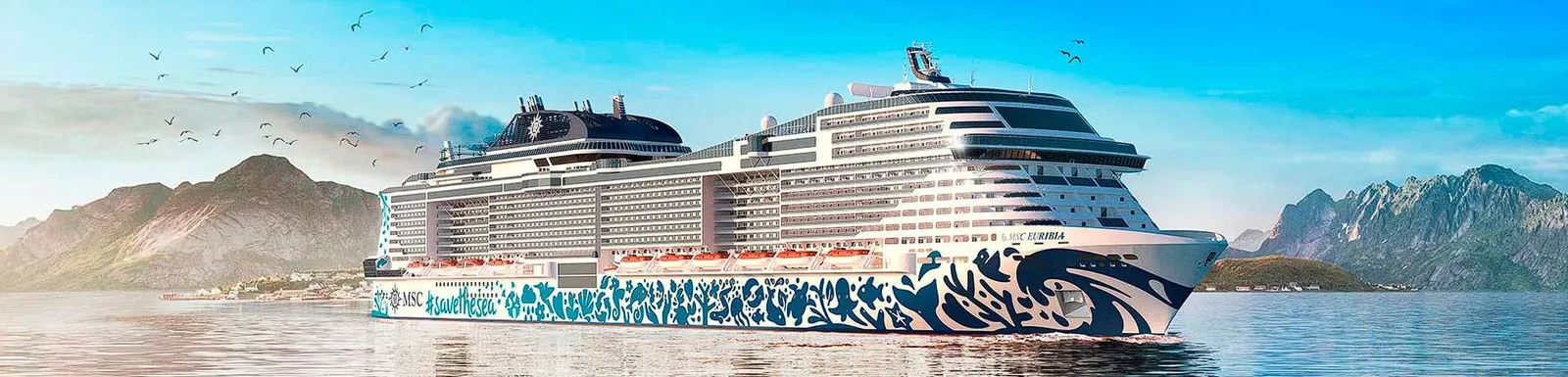
MSC Cruises and Royal Caribbean International are the two mega-ship powerhouses most frequently compared by Australian families and couples planning a large-ship cruise. One is European-born with Mediterranean soul; the other is the world's largest cruise line with American-scale innovation. Both deploy ships seasonally to Australian waters. Jake Hower explains what twenty-one years of booking both lines has taught him.
| MSC Cruises | Royal Caribbean International | |
|---|---|---|
| Category | Mainstream | Mainstream |
| Rating | ★★★★☆ | ★★★★☆ |
| Fleet size | 23 ships | 29 ships |
| Ship size | Mega (4,000+) | Mega (4,000+) |
| Destinations | Mediterranean, Caribbean, Northern Europe, Middle East | Caribbean, Mediterranean, Alaska, South Pacific |
| Dress code | Smart casual | Resort casual |
| Best for | European-style family cruisers | Families and adventure seekers |
MSC is the line for travellers drawn to European elegance, Mediterranean expertise, and the remarkable Yacht Club ship-within-a-ship concept that delivers genuine luxury at mainstream pricing. Royal Caribbean is the line for families and adventure-seekers who want the biggest ships afloat, the most innovative attractions, and the strongest kids' programming in the industry. For Australian travellers wanting local departures, both lines deploy seasonally from Sydney — Royal Caribbean with a larger and more consistent fleet. For Mediterranean itineraries, MSC's home-turf advantage is unmatched. For Caribbean innovation, Royal Caribbean's Icon-class ships are in a class of their own. The Yacht Club versus Royal Suite Class comparison favours MSC for self-contained luxury; Royal Caribbean wins for sheer onboard variety.
The core difference
MSC Cruises is the world’s largest privately-owned cruise company, founded in Naples in 1987 and still controlled by the Aponte family under the Mediterranean Shipping Company empire. The European DNA shows in everything: Swarovski crystal staircases, marble lobbies, Italian-designed interiors, a dining programme rooted in Mediterranean cuisine, and an onboard atmosphere that is distinctly cosmopolitan — announcements in multiple languages, a guest mix drawn from Italy, France, Germany, Spain, the UK, and increasingly Australia.
MSC’s fleet of 23 ships spans five generations of design, from the older Lirica-class vessels to the cutting-edge World Class ships like MSC World Europa and MSC World America, which exceed 200,000 gross tonnes and carry nearly 7,000 passengers across 22 decks divided into distinct themed districts. The company remains privately held — a rarity at this scale — and the Aponte family’s personal investment in the product is visible in the design details.
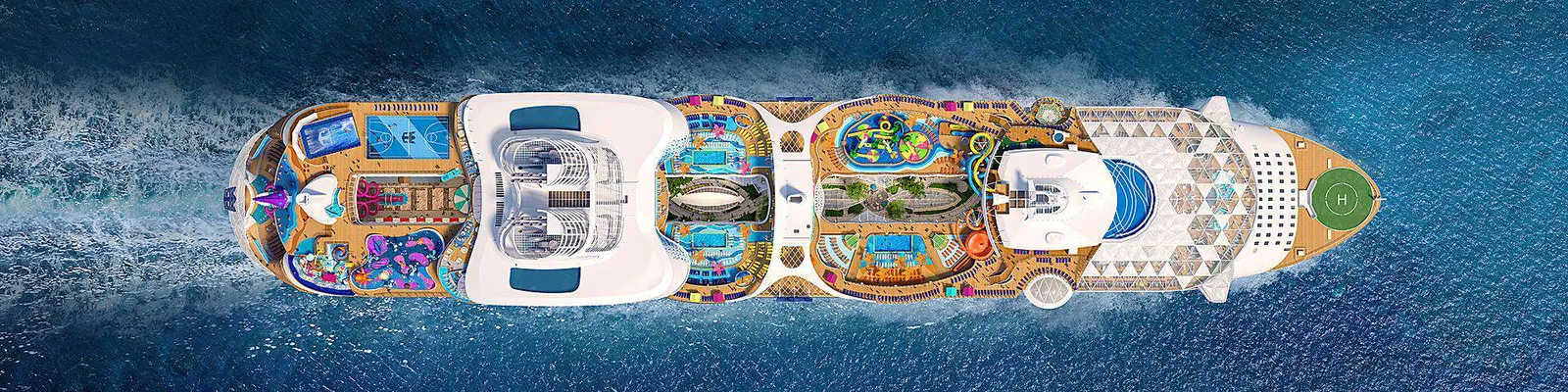
Royal Caribbean International is the world’s largest cruise line, operating 29 ships built around a philosophy of American-scale innovation and family-friendly adventure. Where MSC brings European elegance, Royal Caribbean brings engineering ambition — the Icon-class ships are the largest passenger vessels ever built at over 250,000 gross tonnes, featuring waterparks, surf simulators, rock climbing walls, zip lines, ice-skating rinks, a Central Park-style open-air garden, and the AquaDome multi-storey entertainment venue.
The dining has improved markedly across the fleet, with speciality restaurants from established culinary concepts sitting alongside complimentary options that outperform most mainstream competitors. Broadway-calibre shows, the signature FlowRider surf simulator, and the Perfect Day at CocoCay private island experience round out an offering that is genuinely hard to fault for sheer breadth. Royal Caribbean is publicly listed and builds its brand around the promise that a cruise should be the most exciting holiday you take.
For Australian travellers, this comparison is between the European and American approaches to mega-ship cruising. Both lines deploy ships to Australian waters seasonally. Both build ships of comparable scale and ambition. Both offer the ship-within-a-ship luxury concept — MSC’s Yacht Club and Royal Caribbean’s Royal Suite Class. But the personality of each line is fundamentally different, and that personality shapes every meal, every evening, every interaction with crew. MSC feels like a Mediterranean resort designed by Italians. Royal Caribbean feels like a purpose-built adventure park designed by Americans. Choosing the right personality is more important than choosing the right cabin or the right itinerary.
What is actually included
MSC’s base fare covers main dining room meals, the buffet, basic room service, pool access, kids’ clubs, and select entertainment. Speciality restaurants carry surcharges typically ranging from USD $25 to $60 per person. Drink packages start from approximately USD $55 to $75 per person per day depending on the tier and promotion — MSC’s package pricing is generally lower than Royal Caribbean’s, reflecting the European approach to beverage pricing. Wi-Fi packages are available from roughly USD $10 per day.
MSC’s promotional pricing frequently includes drinks or Wi-Fi bundles, and the line’s kids-sail-free policy on select departures is a genuine differentiator for families — children under 12, and sometimes under 18, sail without fare charges, covering only port fees and taxes.
Yacht Club guests receive a far more inclusive experience: 24-hour butler service, a private restaurant with an exclusive menu, a dedicated pool deck with whirlpools and bar, a dedicated lounge, premium drinks in the Yacht Club lounge, and priority embarkation — all included in the suite fare without surcharges.
Royal Caribbean’s base fare similarly covers main dining room meals, the Windjammer buffet, room service (with a delivery fee for non-suite guests), pool access, the Adventure Ocean kids’ programme, fitness centre, and entertainment shows. Speciality dining surcharges range from USD $30 to $80 per person — generally slightly higher than MSC’s. The Deluxe Beverage Package runs approximately USD $70 to $90 per person per day, one of the most expensive in the mainstream segment. Wi-Fi starts from roughly USD $15 per day. Royal Suite Class guests — particularly Star Class — receive complimentary speciality dining, premium beverages, and a Royal Genie personal concierge who orchestrates every aspect of the onboard experience.
The inclusion comparison favours MSC on base pricing and family value, while Royal Caribbean offers more structured and extensive premium add-ons. For Australian families, MSC’s kids-sail-free promotions can save AUD $2,000 or more on a week-long sailing — a significant advantage that Royal Caribbean rarely matches with equivalent offers. For couples without children, the total cost with comparable drink and dining packages is broadly similar on both lines, with MSC typically running AUD $20 to $50 per person per night cheaper at the entry level. The Yacht Club versus Royal Suite Class comparison shows MSC including more in the suite fare, while Royal Caribbean’s Star Class adds the unique Royal Genie concierge service.
Dining and culinary experience
MSC’s dining reflects its Mediterranean heritage with genuine authenticity. The main dining rooms serve multi-course Italian-influenced menus with handmade pasta prepared fresh daily, regional Italian specialities that rotate by destination, and a European service pace — meals are designed to be lingered over with multiple courses, wine, and conversation. The approach is distinctly Continental: waiters are knowledgeable about the food rather than performing scripted introductions, and the rhythm of the meal follows Italian traditions of antipasto, primo, secondo, and dolce.
Speciality restaurants include Butcher’s Cut steakhouse, Kaito Sushi and Teppanyaki, Hola! Tacos and Cantina, and on World Class ships, additional venues across the themed districts. The buffet offerings lean Mediterranean with strong antipasti, charcuterie, and fresh seafood stations that reflect MSC’s Italian roots. MSC’s European service style is notably different from American lines — more relaxed in pacing, less scripted in delivery, and with a warmth that comes from the Italian hospitality tradition.
Royal Caribbean’s dining spans 15 to 25 venues on larger ships, with a broader range of global cuisines and a distinctly American approach to choice and customisation. The main dining room offers both traditional fixed-time seating and flexible My Time Dining. Speciality options include Wonderland (an immersive, multi-sensory dining experience where menus are organised by elements — Sun, Moon, Earth, Ice, Fire, Dreams — exclusive to Quantum and Icon-class ships), Chops Grille for prime steaks, Izumi Japanese including hibachi and sushi, Jamie’s Italian on select vessels, and Giovanni’s Table for family-style Italian. The Windjammer buffet is consistently strong with dedicated stations and live-cooking areas. Icon-class ships organise dining across eight neighbourhoods, each with its own culinary personality — a concept that gives the largest ships a genuine sense of variety and exploration.
MSC’s culinary strength is authenticity — the Mediterranean cuisine is genuine rather than adapted for international palates, and the Italian dining traditions feel entirely natural aboard a line founded in Naples. The pasta alone is worth noting: handmade daily, served al dente, and presented with regional sauces that change with the itinerary. Royal Caribbean’s strength is variety and theatrical innovation — Wonderland’s immersive approach has no MSC equivalent, and the neighbourhood dining concept creates a sense of culinary adventure. For Australian travellers who appreciate Mediterranean cooking, European dining pace, and genuine Italian food culture, MSC delivers the more authentic experience. For those who want maximum choice, theatrical concepts, and the ability to eat a different global cuisine every night, Royal Caribbean leads.
Suites and accommodation
MSC Yacht Club is the line’s signature luxury product, available on 15 ships across the fleet and representing one of the smartest value propositions in cruising. It operates as a self-contained ship-within-a-ship: spacious suites ranging from Deluxe Suites to the Royal Suite, 24-hour butler service, a dedicated concierge team, a private restaurant with an exclusive menu unavailable to main-ship passengers, an exclusive pool deck with whirlpools and dedicated bar, a dedicated lounge (the Top Sail Lounge with panoramic views), and priority embarkation, disembarkation, and tender service.
On World Class ships, the Yacht Club is expanded with additional suite categories and enhanced private areas that further separate the Yacht Club experience from the main vessel. The concept delivers a genuinely luxury experience — in service quality and exclusivity, it sits closer to Silversea than to a standard MSC balcony cabin — at pricing that typically runs 40 to 60 per cent less than a dedicated luxury line. The butlers are attentive without being intrusive, the private restaurant’s menu is genuinely different from what is available on the main ship, and the pool deck provides a quiet retreat from the energy of the main pool area several decks below.
Royal Caribbean’s Royal Suite Class operates through three tiers: Sea Class, Sky Class, and Star Class. Star Class guests receive a Royal Genie personal concierge who arranges everything from dining reservations and backstage tours to priority ride-on times for the FlowRider and reserved seating at shows. The Suite Neighbourhood on Oasis and Icon-class ships includes a dedicated lounge, pool area, and restaurant access. The Royal Loft Suite, Ultimate Family Suite (with its in-suite slide and gaming wall), and other top-tier accommodations on Oasis and Icon-class ships are genuinely spectacular in scale and imagination. However, the Royal Suite Class is less architecturally separated from the main ship than MSC’s Yacht Club — the dedicated spaces are typically smaller, the transition between suite areas and main-ship areas is less defined, and there is no equivalent to the Yacht Club’s fully private restaurant serving an exclusive menu.
Standard cabins across both lines are competitive and suitable for the mainstream market. MSC’s balcony staterooms average 170 to 190 square feet plus balcony with Italian-designed interiors. Royal Caribbean’s are similar at 180 to 200 square feet plus balcony, with Icon-class ships offering innovative categories that push cabin design forward. Both lines offer inside, ocean-view, balcony, and mini-suite categories at comparable pricing. For Australian travellers specifically wanting a luxury enclave within a mega-ship, MSC Yacht Club offers the more complete and self-contained product — its private restaurant, dedicated pool, and butler service create a genuine ship-within-a-ship experience that Royal Caribbean’s suite programme approaches but has not yet fully replicated in terms of architectural separation and exclusivity.
Pricing and value
MSC’s pricing is consistently among the most competitive in the mega-ship segment, reflecting the company’s strategy of growing market share through accessible pricing. Inside staterooms start from approximately AUD $100 to $180 per person per night on seven-night Mediterranean itineraries — often the lowest entry point from any major international cruise line. Balcony cabins run from roughly AUD $150 to $280.
Yacht Club suites command a premium at approximately AUD $400 to $900 per person per night, but this includes butler service, the private restaurant, premium drinks in the Yacht Club lounge, and priority services — extraordinary value compared to dedicated luxury lines where comparable suites and service would cost AUD $800 to $2,000 per person per night.
MSC’s kids-sail-free promotions, available on select departures throughout the year, mean children under 12 (and sometimes under 18) sail without fare charges, covering only port fees and taxes — a saving of AUD $1,500 to $3,000 per child on a week-long cruise that makes MSC the most affordable family option in the mega-ship segment.
Royal Caribbean’s pricing starts from approximately AUD $130 to $230 per person per night for inside staterooms and AUD $180 to $330 for balcony cabins on seven-night sailings. The larger Australian deployment creates more inventory and competitive pricing on local departures, particularly during shoulder season. Suite pricing varies enormously: Junior Suites add 30 to 50 per cent over balcony cabins, while Star Class suites on Icon-class ships can exceed AUD $1,500 per person per night. Royal Caribbean’s a la carte pricing for add-ons means the base fare appears competitive, but total spend with the Deluxe Beverage Package (approximately USD $80 per person per day), speciality dining, and Wi-Fi can accumulate to an additional AUD $3,000 to $5,000 per person on a seven-night sailing.
For Australian families, MSC’s value proposition is the strongest in mainstream cruising. A family of four in a balcony cabin with kids sailing free, including a drink package for the adults, can cruise for AUD $6,000 to $9,000 total on a seven-night Mediterranean sailing — potentially AUD $3,000 to $5,000 less than the equivalent Royal Caribbean booking with children at full fare. For couples without children, the gap narrows considerably. For luxury seekers comparing Yacht Club to Royal Suite Class, MSC delivers comparable luxury at a consistently lower price point — the Yacht Club’s all-inclusive nature means fewer surprises on the final bill.
Spa and wellness
MSC’s Aurea Spa features treatment rooms, a thermal area with steam rooms and saunas, and a comprehensive range of massages, facials, and body treatments. The Aurea experience tier is a clever MSC innovation that combines spa access with priority boarding, a dedicated Aurea dining area in the main restaurant, and a balcony cabin, creating a wellness-focused package that sits between standard and Yacht Club. On World Class ships, the spa facilities are expanded with larger thermal suites and additional treatment rooms. Pool complexes feature multiple pools, whirlpools, and on the newer ships, elaborate aquaparks with waterslides that rival competitors’ dedicated attractions. The pool deck atmosphere is distinctly European — more social, more animated, with music and a bar culture that reflects Mediterranean traditions.
Royal Caribbean’s Vitality Spa offers a similar range of treatments across the fleet, with newer ships featuring larger facilities including thermal suites and relaxation lounges. The broader wellness proposition extends far beyond the spa walls — FlowRider surf simulators, rock climbing walls reaching 40 feet, zip lines spanning the length of the ship, the Thrill Waterpark on Icon-class ships with multiple waterslides, and ice-skating create an active-recreation programme that MSC matches only with its aquaparks and poolside activities. The Solarium adults-only pool area provides a tranquil alternative to the main pool deck, with a retractable roof and warm-water whirlpools.
Both lines deliver mainstream spa experiences at comparable quality and pricing. The distinction lies in active recreation beyond the spa: Royal Caribbean offers significantly more variety through its adventure attractions — surfing, climbing, skating, zip-lining — while MSC focuses on the pool and waterpark experience with a European social energy. For Australian travellers who want water-based fun, both deliver well. For those seeking adventure-sport variety on a cruise ship, Royal Caribbean’s breadth of active options is unmatched.
Entertainment and enrichment
MSC’s entertainment carries a distinctly European personality that sets it apart from every American-heritage cruise line. On select ships, Cirque du Soleil at Sea presents two exclusive shows — a unique partnership that brings world-class acrobatic performance to the ocean with productions created specifically for the MSC environment, featuring purpose-built performance spaces. No other cruise line offers anything equivalent. Live music is a genuine strength across the fleet, with bands and performers in multiple lounges creating a nightlife atmosphere that runs later and with more energy than most competitors — the Mediterranean social tradition of late dining followed by late-evening entertainment is alive on MSC. The European and international passenger mix creates a cosmopolitan social scene — multilingual conversation, international music selections, and a dance-floor culture that reflects MSC’s roots. The casino is typically lively and well-attended, reflecting European attitudes to gaming as entertainment.
Royal Caribbean leads the cruise industry in production entertainment, and the gap with competitors has only widened with each new ship class. Full-scale Broadway shows — Grease, Mamma Mia!, Hairspray, and others — perform on Oasis-class ships with professional casts and full sets. AquaTheater shows on Oasis-class ships combine high-diving, synchronised swimming, and aerial acrobatics in a breathtaking open-air amphitheatre. Ice-skating shows in Studio B deliver spectacle that families return for on multiple sailings. Icon-class ships introduce the AquaDome, a multi-storey glass structure that hosts aerial and aquatic performances by day and transforms into an immersive nightclub by evening. The Royal Promenade creates a parade-style social hub that brings the ship to life, particularly on formal nights and special event evenings. For families, the entertainment breadth extends comprehensively from kids’ shows to teen activities to adults-only comedy clubs.
The entertainment difference reflects the lines’ cultural DNA. MSC’s European entertainment — Cirque du Soleil, live music, cosmopolitan nightlife, late-evening social energy — suits travellers who enjoy a sophisticated, music-driven evening atmosphere. Royal Caribbean’s American entertainment — Broadway shows, themed spectacles, organised activities, family-oriented programming — suits travellers who enjoy structured, high-production performances and variety. Australian travellers will find both genuinely entertaining, but the cultural flavour is markedly different and worth understanding before booking.
Fleet and destination coverage
MSC’s fleet of 23 ships is the third-largest in the world and growing rapidly, with multiple new builds on order that will push the fleet toward 30 ships within the decade. The newest World Class ships — MSC World Europa and MSC World America — exceed 200,000 gross tonnes and represent the line’s most ambitious vessels with themed districts and expanded Yacht Club facilities.
MSC’s strongest itineraries remain in the Mediterranean, where home-turf advantage means excellent port knowledge, convenient embarkation from Barcelona, Genoa, Marseille, and Naples, and an onboard atmosphere perfectly attuned to the destination. The line also covers the Caribbean from Miami, Northern Europe, the Middle East, South America, and seasonally deploys to Australian waters. MSC Ocean Cay Marine Reserve is the line’s private island in the Bahamas, featuring a marine reserve, beach areas, and a family-friendly lagoon — growing in ambition but not yet matching CocoCay in scale. MSC’s Mediterranean network is the densest of any cruise line globally — more ships, more departure dates, more embarkation points than Royal Caribbean or any other competitor in the region.
Royal Caribbean’s fleet of 29 ships is the industry’s largest, spanning six distinct ship classes that each offer a different scale and experience. The Icon-class ships push the boundaries of naval architecture. Oasis-class ships perfected the neighbourhood concept that became the industry template. Quantum-class ships deploy globally, including the seasonal Australian programme on Ovation of the Seas. The line sails the Caribbean, Mediterranean, Alaska, Northern Europe, South Pacific, Asia, and Australia. Perfect Day at CocoCay — Royal Caribbean’s private island in the Bahamas — features Thrill Waterpark with the tallest waterslide in North America, a helium balloon offering panoramic views, overwater cabanas, and a freshwater pool, and is widely considered the best private island experience in the cruise industry. The island continues to receive investment, with new features planned annually.
For Australian travellers, Royal Caribbean offers a larger, more consistent, and more established local deployment. Ovation of the Seas and occasionally other ships deploy seasonally from Sydney and Brisbane, with year-ahead booking availability. MSC’s seasonal Australian presence is real but more variable — the specific ship and the length of the deployment changes from year to year, making forward planning slightly less certain. For Mediterranean holidays, MSC’s home-turf advantage is decisive — more departures, better port access, and a ship personality that matches the destination perfectly. For Caribbean holidays, Royal Caribbean’s Icon-class innovation and Perfect Day at CocoCay give it the edge.
Where each line excels
MSC excels in Mediterranean cruising — no line knows these waters better, offers more embarkation options, or delivers a more authentically Mediterranean onboard atmosphere. The Yacht Club ship-within-a-ship concept delivers genuine luxury at mainstream pricing, with butler service, a private restaurant, and an exclusive pool deck that outperform Royal Caribbean’s suite programme for self-contained exclusivity. Family pricing through kids-sail-free promotions makes MSC the most affordable mega-ship option for families with children. The European cosmopolitan atmosphere, Italian-influenced dining with genuine handmade pasta, and Swarovski-accented design create a distinctly Continental experience. The Cirque du Soleil at Sea partnership delivers entertainment no other line can offer.
Royal Caribbean excels in innovation at the largest possible scale — Icon-class ships are engineering achievements that redefine what is physically possible on a cruise ship, with each new class introducing features that the industry spends years trying to imitate. The Adventure Ocean kids’ programme is the gold standard for family cruising across all travel sectors, not merely cruising. Broadway-calibre entertainment is unmatched in variety and production value. Perfect Day at CocoCay is the best private island experience in the Caribbean and continues to improve. The larger, more consistent Australian fleet deployment offers more local departure options and greater pricing flexibility. The Crown and Anchor Society loyalty programme rewards frequent cruisers at upper tiers with complimentary drinks, internet, and meaningful onboard credits.
Standout itineraries for Australian travellers
MSC’s seven-night Western Mediterranean from Barcelona or Genoa is the line’s signature sailing and the best way to experience MSC’s Mediterranean DNA — visiting the Italian Riviera, Naples, Palermo, and the French coast aboard ships designed for these waters, with cuisine that matches the ports and an atmosphere that feels authentically Continental. For couples or families wanting the Yacht Club experience, a Mediterranean sailing in a Yacht Club suite represents some of the best value in luxury cruising anywhere.
MSC World America’s Caribbean itineraries from Miami showcase the newest World Class ship with its themed districts and expanded Yacht Club facilities. For Australians, MSC’s seasonal deployment from Sydney offers South Pacific itineraries, though availability varies by year — confirm current schedules with your agent before committing to plans.
Royal Caribbean’s seasonal Australian deployment on Ovation of the Seas from Sydney is the standout local option for Australian travellers wanting to cruise from home — 12 to 14-night New Zealand itineraries visiting Fiordland, Dunedin, Wellington, and the Bay of Islands deliver genuine destination highlights with the North Star observation capsule providing unforgettable views. South Pacific sailings of 10 to 12 nights visiting New Caledonia, Vanuatu, and Fiji are equally strong.
For international travel, a seven-night Eastern Caribbean on Icon of the Seas from Miami is the most innovative cruise sailing available in the world today — the eight-neighbourhood concept, Thrill Waterpark, AquaDome, and a Perfect Day at CocoCay call must be experienced to be understood. Short three- and four-night breaks from Florida combine exceptionally well with Australian family theme park holidays and serve as an ideal taster cruise.
Ship-by-ship recommendations
MSC World America (World Class, approximately 6,700 guests) is the newest MSC ship deployed from Miami, featuring themed districts, an expanded Yacht Club with the most refined design in the fleet, Italian-designed interiors throughout, and competitive Caribbean pricing. The Yacht Club on this vessel represents the peak of MSC’s luxury-within-mainstream concept. Best for Caribbean sailings and for Australian travellers visiting Florida.
MSC Bellissima or MSC Virtuosa (Meraviglia Plus Class, approximately 5,600 guests) are strong mid-fleet choices for Mediterranean sailings. Cirque du Soleil at Sea performs exclusively on select Meraviglia-class ships, making Bellissima the choice for travellers wanting this unique entertainment. Both ships offer the full Yacht Club product and deliver a polished Mediterranean experience with the indoor promenade that gives these ships their distinctive personality.
Icon of the Seas (Icon Class, approximately 5,600 guests) is the ship that defines Royal Caribbean’s ambition and the current pinnacle of cruise ship engineering. Eight neighbourhoods, the largest waterpark at sea, Perfect Day at CocoCay calls, and the Surfside neighbourhood purpose-built for families with young children. Caribbean sailings from Miami. For Australian families making the trip to Florida, this is the must-sail ship.
Ovation of the Seas (Quantum Class, approximately 4,900 guests) is the Royal Caribbean ship Australian travellers know best, given its regular Sydney deployments over multiple seasons. The North Star observation capsule, RipCord by iFLY skydiving simulator, Two70 entertainment venue with robotic screens, and SeaPlex indoor sports complex deliver a strong experience accessible from a local port without international flights.
For Australian travellers specifically
Both lines compete actively for Australian market share, but Royal Caribbean’s local infrastructure is more developed and more consistent. Royal Caribbean maintains a dedicated Australian office with local staff, runs AUD-priced promotions throughout the year, and deploys ships from Sydney and Brisbane with seasonal regularity that allows forward planning with confidence. MSC’s Australian presence is growing — the line offers Australian-market pricing and periodic local deployments — but the consistency and scale of the programme does not yet match Royal Caribbean’s established operations.
MSC’s Australian deployments have varied in ship and duration from year to year, which makes long-term planning slightly less certain. For Australian travellers wanting guaranteed local departure options booked 12 to 18 months in advance, Royal Caribbean provides that certainty more reliably.
For international itineraries, the lines serve different geographical strengths. Australian travellers flying to Europe for a Mediterranean cruise should strongly consider MSC — the embarkation convenience from Barcelona or Genoa (both well-served by flights from Australia via Singapore or the Middle East), the Mediterranean cuisine that reflects the destination, and the European onboard atmosphere create a seamless, authentic experience. Australians flying to Miami for a Caribbean cruise will find both lines compelling, but Royal Caribbean’s Icon-class ships, AquaTheater shows, and Perfect Day at CocoCay represent experiences that MSC cannot yet match in the Caribbean specifically.
The Yacht Club question deserves particular attention from Australian travellers considering a step up from standard cruise accommodation. MSC Yacht Club delivers a luxury cruise experience — butler service, private dining, exclusive pool, priority everything — at pricing that often undercuts dedicated luxury lines by 40 to 60 per cent. For Australians who want luxury cruising but cannot justify the per-diems of Silversea, Regent, or Seabourn, Yacht Club on a Mediterranean sailing is quite possibly the smartest value proposition in the entire cruise industry. No equivalent on Royal Caribbean matches the Yacht Club’s combination of self-contained exclusivity and pricing accessibility.
The currency factor is also worth noting. Both lines price in AUD for the Australian market, eliminating exchange rate risk on the fare itself. However, onboard spending is typically charged in USD, meaning the AUD/USD exchange rate affects daily spend on drinks, speciality dining, spa treatments, and excursions — something to factor into the total budget regardless of which line you choose.
The onboard atmosphere
MSC’s atmosphere is unmistakably European in a way that no other major cruise line replicates. The passenger mix on Mediterranean sailings draws heavily from Italy, France, Germany, and Spain, with British and Australian travellers as a growing minority — though the proportion of English-speaking guests is increasing every year. Announcements are made in multiple languages, which some travellers find cosmopolitan and others find repetitive. The dining pace is European — meals are longer, more course-driven, and less hurried than on American-line equivalents, with waiters who understand that coffee after dessert is not the signal to present the bill. The nightlife runs late, with live music, dancing, and a casino culture that reflects Continental social habits — the ship is most alive between 10pm and midnight, which is notably later than the typical Royal Caribbean evening peak. The design aesthetic is ornate by American standards — Swarovski crystals, marble, gilded accents, grand staircases — but entirely consistent with Italian and Mediterranean luxury hotel design traditions. The dress code is smart casual with an occasional elegant evening, though enforcement is relaxed.
Royal Caribbean’s atmosphere is energised, family-oriented, and unmistakably American in personality and design philosophy. The ships are designed to keep guests active and engaged from the morning pool session to the late-night comedy show — poolside DJs, FlowRider competitions, rock climbing challenges, Broadway shows, trivia, and parade-style entertainment on the Royal Promenade create a sense of constant motion and discovery. The passenger mix on Australian deployments is strongly local, giving Ovation of the Seas sailings from Sydney a distinctly Australian feel — the pool deck energy, the dining preferences, the relaxed social dynamic are all recognisably Australian. On international sailings from Miami or European ports, the mix is predominantly North American with a growing international contingent. The default energy level is high, though quiet retreats exist throughout every ship — the Solarium adults-only pool, the library, Central Park on Oasis-class ships, and the upper-deck jogging track all provide genuine calm.
The atmosphere comparison is fundamentally cultural rather than qualitative. MSC feels like a European city at sea — cosmopolitan, multilingual, socially relaxed, with late-night energy and a design sensibility that values ornament and elegance. Royal Caribbean feels like an American resort at sea — organised, family-friendly, high-energy, with maximum variety and a design sensibility that values function and innovation. Australian travellers tend to enjoy both styles, but the cultural preference is worth considering honestly before booking — spending seven nights in the wrong cultural environment can undermine an otherwise excellent cruise.
The bottom line
MSC and Royal Caribbean are both building some of the largest ships in the world, both deploy to Australian waters seasonally, and both deliver mainstream cruising at its most ambitious and impressive. The difference is cultural DNA — European versus American — and that difference shapes every aspect of the onboard experience from the first meal to the final evening.
Choose MSC for Mediterranean expertise, European elegance, and the Yacht Club ship-within-a-ship luxury concept that delivers butler service, a private restaurant, and an exclusive pool deck at a fraction of luxury-line pricing. Choose it for the most competitive family pricing in mega-ship cruising through kids-sail-free promotions that can save thousands. Choose it for Italian-influenced dining with genuine handmade pasta, cosmopolitan nightlife, Cirque du Soleil at Sea, and a shipboard atmosphere that feels authentically Continental. Choose MSC when your destination is the Mediterranean and you want the line that knows those waters better than anyone.
Choose Royal Caribbean for innovation at the largest scale the cruise industry has ever seen — Icon-class ships that are genuine engineering marvels and floating cities unto themselves. Choose it for Adventure Ocean, the best kids’ programme afloat across all travel categories. Choose it for Broadway shows, AquaTheater spectacle, the FlowRider, and ice-skating — entertainment that no competitor matches in quality or variety. Choose it for Perfect Day at CocoCay and the strongest private island experience in the Caribbean. Choose it for the larger, more consistent Australian deployment that puts multiple local-departure options within easy reach year after year. Choose Royal Caribbean when you want maximum variety, maximum energy, and maximum adventure on a ship that genuinely never runs out of things to discover.
For Australian travellers who cruise regularly, both lines deserve a place in your rotation. MSC for the Mediterranean, where its European personality and culinary heritage create a seamless match with the destination. Royal Caribbean for the Caribbean and local Australian sailings, where its innovation and family programming are at their strongest. The Yacht Club on one and the suite class on the other. The lines are not interchangeable — and that is precisely why both are worth experiencing.