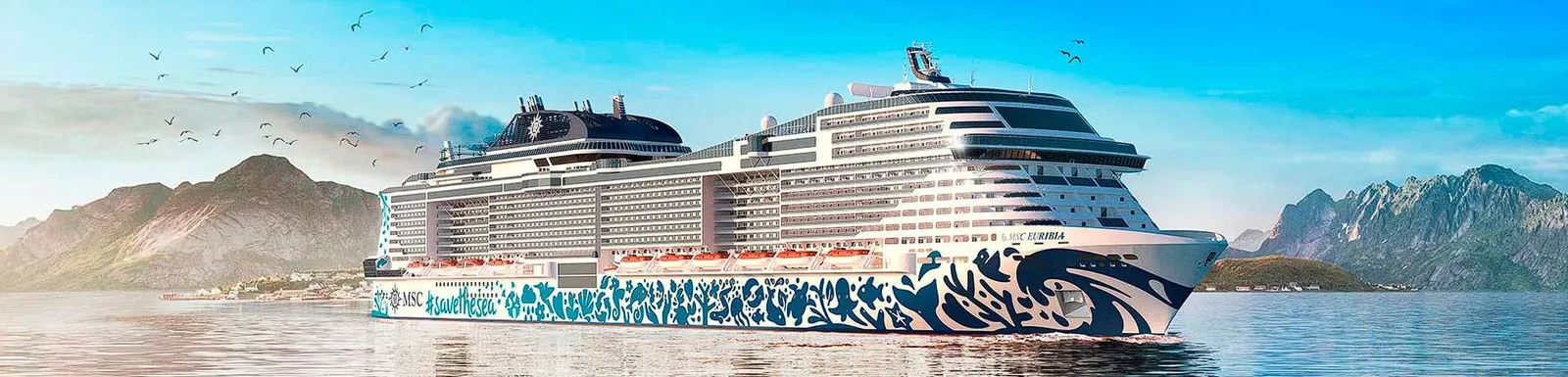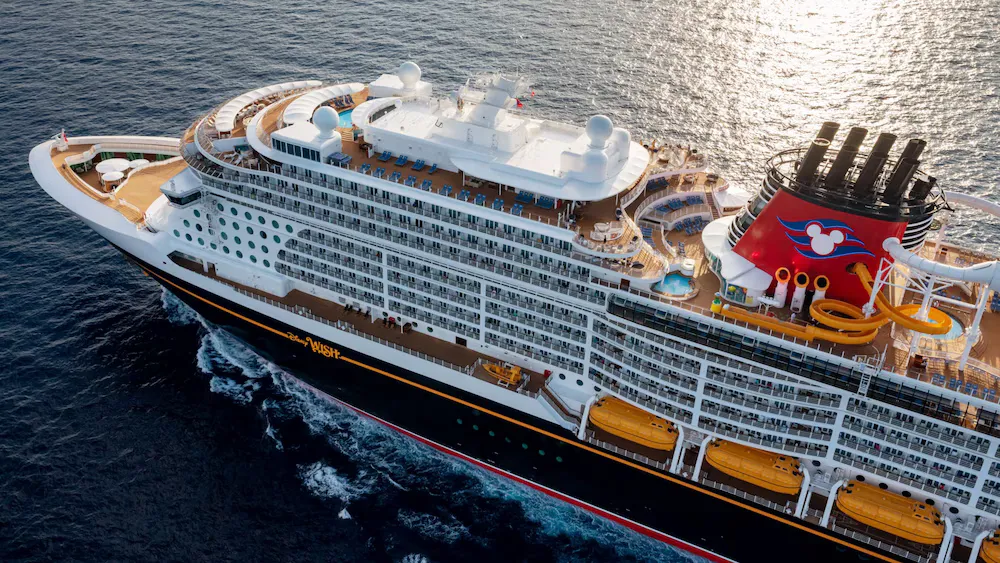
Disney Cruise Line and Royal Caribbean International are the two most popular family cruise lines afloat — and the comparison every parent eventually makes. Both deliver world-class kids' programming and entertainment, but the experience aboard is fundamentally different. Jake Hower, with over two decades advising Australian families on cruise holidays, explains what sets them apart.
| Disney Cruise Line | Royal Caribbean International | |
|---|---|---|
| Category | Mainstream | Mainstream |
| Rating | ★★★★☆ | ★★★★☆ |
| Fleet size | 7 ships | 29 ships |
| Ship size | Large (2,000–4,000) | Mega (4,000+) |
| Destinations | Caribbean, Alaska, Mediterranean, Northern Europe | Caribbean, Mediterranean, Alaska, South Pacific |
| Dress code | Cruise casual | Resort casual |
| Best for | Families seeking Disney magic at sea | Families and adventure seekers |
For Australian families, this comes down to what you value most. Disney delivers an immersive, detail-driven experience where storytelling touches every moment — rotational dining, Broadway-calibre shows, impeccable kids' clubs, and a premium polish that justifies the higher fare. Royal Caribbean counters with sheer scale, variety, and innovation — waterparks, surf simulators, go-karts, and a fleet so large you can sail from Australian ports seasonally. Choose Disney for a once-in-a-lifetime family celebration where the magic matters. Choose Royal Caribbean for maximum onboard thrills, more frequent sailing options, and the ability to cruise from Sydney without a long-haul flight.
The core difference
Disney Cruise Line sells magic. Every element of the experience — from the rotational dining system where your waitstaff follows you through three themed restaurants, to the Broadway-calibre stage shows, to the character meet-and-greets woven seamlessly into the daily programme — is designed to immerse families in storytelling. The ships are not merely floating resorts; they are extensions of the Disney theme park experience, crafted with the same obsessive attention to detail that Walt Disney himself demanded of Disneyland. With seven ships in service as of early 2026 — Disney Magic, Disney Wonder, Disney Dream, Disney Fantasy, Disney Wish, Disney Treasure, and the newly launched Disney Destiny — plus Disney Adventure commencing sailings from Singapore in March 2026, the fleet is growing rapidly but remains focused on delivering a curated, premium family experience.
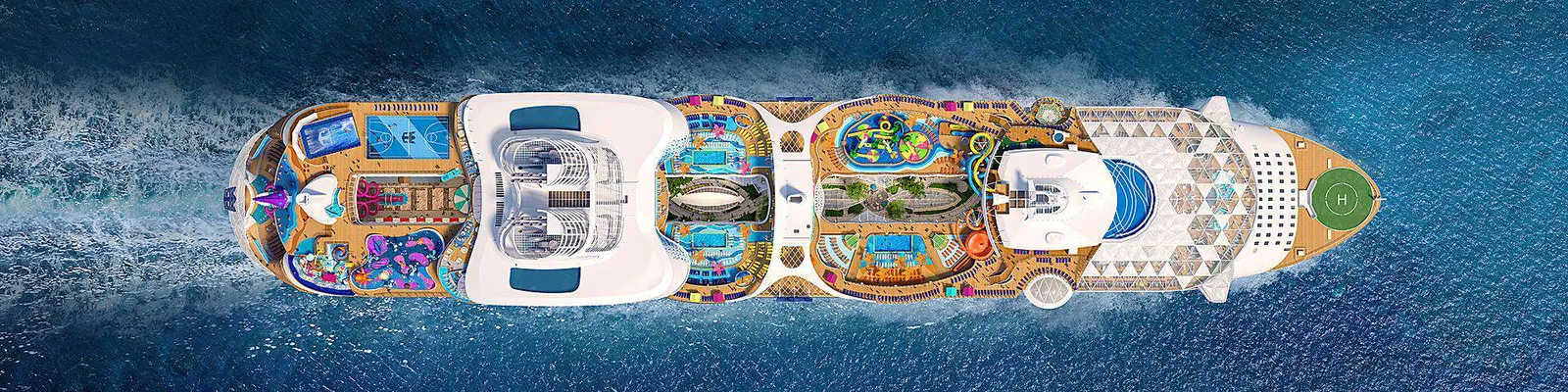
Royal Caribbean International sells everything. The world’s largest cruise line operates 29 ships — soon to be 30 — ranging from mid-size vessels to the Icon class ships that top 250,000 gross tonnes and carry over 5,000 guests across eight distinct neighbourhoods. Icon of the Seas features the largest waterpark at sea, a surf simulator, rock climbing walls, a zip line, an ice-skating rink, and a Central Park-style open-air garden. The philosophy is not storytelling but spectacle: give guests so many options that boredom is structurally impossible. Where Disney curates, Royal Caribbean proliferates.
For Australian families weighing these two lines, the practical distinction is equally important. Royal Caribbean deploys ships to Australian waters seasonally, offering departures from Sydney that eliminate the long-haul flight entirely. Disney requires a fly-cruise to the Caribbean, Mediterranean, or — from March 2026 — Singapore, where Disney Adventure represents the closest Disney sailing to Australian shores. That flight logistics gap shapes every booking decision.
What is actually included
Disney Cruise Line includes all standard dining across three rotational restaurants plus the buffet, room service, character experiences, kids’ club programming (Oceaneer Club and Lab for ages three to twelve, Edge for tweens, Vibe for teens), the AquaDuck or AquaMouse water attractions, all Broadway-calibre stage shows, and deck parties. Gratuities are not included but are automatically added to your onboard account at approximately USD $14.50 per person per day. Speciality dining at Palo Steakhouse, Enchante, and Remy carries a surcharge. Alcoholic beverages, non-alcoholic drink packages, Wi-Fi, spa treatments, and port adventures are extra. There is no casino on any Disney ship.
Royal Caribbean includes all main dining room meals, the Windjammer buffet, room service (a small charge applies for some items on select ships), Adventure Ocean kids’ programming, pool access, Broadway-calibre entertainment, and the FlowRider surf simulator. The Icon class ships include access to the waterpark at no extra charge. However, speciality dining, beverage packages, Wi-Fi, gratuities (approximately USD $16 per person per day), and many onboard activities carry additional costs. The casino is a significant revenue centre. Royal Caribbean’s pricing model is more a la carte — the base fare is lower, but the extras add up quickly.
The total-cost calculation matters for Australian families. Disney’s higher fare includes more from the outset, reducing the surprise factor at the end of the voyage. Royal Caribbean’s lower entry price is attractive on paper but can escalate substantially once drink packages (from approximately USD $70 per person per day), speciality dining, and Wi-Fi are added. For a family of four on a seven-night cruise, the gap between the two lines narrows more than the brochure fares suggest — though Disney remains the more expensive option even after Royal Caribbean’s add-ons are factored in.
Dining and culinary experience
Disney’s rotational dining is unique in the industry. Over the course of a cruise, your family moves through three distinctly themed restaurants — each with different decor, menus, and atmosphere — while your dedicated serving team travels with you. By the second evening, your waiters know your children’s names, remember who does not eat shellfish, and have your preferred drinks ready before you sit down. On the Wish-class ships, the three restaurants are Arendelle (a Frozen-themed dinner with live entertainment), Worlds of Marvel (an interactive dining experience with Avengers theming), and 1923 (an elegant tribute to Disney’s founding year). The food quality is consistently above mainstream cruise standards, with menus that balance crowd-pleasing favourites for children with genuinely well-prepared dishes for adults. Palo Steakhouse offers an adults-only premium dining experience with Italian-American cuisine, while Enchante by Chef Arnaud Lallement (a Michelin three-star chef) is available on select ships for a French fine-dining experience.
Royal Caribbean’s dining programme is broader in scope. Main dining room options follow either traditional fixed-seating or My Time Dining (flexible timing). The Windjammer buffet is a reliable staple. But the speciality dining roster is where Royal Caribbean excels in sheer variety — Chops Grille steakhouse, Jamie’s Italian by Jamie Oliver, Izumi Japanese, Giovanni’s Italian Kitchen, Wonderland (an imaginative multi-course experience), and many more depending on the ship. On Icon of the Seas, dining is organised by neighbourhood, with each area offering its own collection of restaurants and bars. The quantity of choice is staggering — up to 20 dining venues on the newest ships — though the quality is more variable than Disney’s more tightly controlled offering.
For families, Disney’s rotational system is the clear winner in terms of creating a cohesive dining experience that children adore. The continuity of having the same waitstaff who genuinely know your family transforms dinner from a meal into an event. Royal Caribbean offers more variety and more flexibility, which suits larger families with diverse tastes and teenagers who want to eat independently. Neither line will disappoint, but they solve different problems.
Suites and accommodation
Disney Cruise Line offers cabin categories ranging from Inside Staterooms (approximately 169 to 184 square feet) to the Royal Suite with Verandah on the Fantasy (approximately 1,781 square feet). The Wish-class ships introduced a refreshed suite product, with the Tower Suite at over 1,900 square feet being the most extravagant accommodation in the Disney fleet. Concierge-level staterooms and suites unlock dedicated concierge lounge access, priority dining reservations, and personal concierge service — Disney’s version of a premium tier. Family-friendly design touches are standard across all categories: split bathrooms in many cabins (one with the toilet and sink, the other with the shower and sink) make managing young children markedly easier, and the innovative Murphy bed or pull-down bunk arrangements sleep up to four or five guests without feeling impossibly cramped.
Royal Caribbean offers a vastly larger range of accommodation, from compact Interior Staterooms to the Ultimate Family Suite on Symphony of the Seas (approximately 1,134 square feet with a slide connecting the upper and lower levels). The breadth of choice is unmatched — balcony cabins, ocean-view staterooms, loft suites, and the Star Class suites on Icon of the Seas that come with a dedicated Royal Genie (a personal concierge who pre-arranges everything from dining to entertainment). The Haven on Norwegian is not relevant here, but Royal Caribbean’s Star Class suite programme is its equivalent — priority boarding, exclusive restaurant access, and VIP treatment. For families, the interconnecting staterooms and family-configured cabins are widely available, though the split-bathroom concept that Disney pioneered has not been replicated.
The accommodation comparison tilts by priority. Disney’s cabins are better designed for families with young children — the split bathrooms alone are worth noting for anyone who has tried to get three children ready for dinner in a single cruise ship bathroom. Royal Caribbean’s accommodation is more diverse, with options at every price point and a broader range of suite experiences for those willing to pay for the top tier.
Pricing and value
Disney Cruise Line is consistently the most expensive mainstream cruise line. A seven-night Caribbean sailing for a family of four in a Verandah Stateroom typically starts from AUD $12,000 to $18,000 depending on season, ship, and itinerary — before flights from Australia. Wish-class ships command a premium over the older vessels. Concierge-level cabins and suites escalate rapidly. The lack of promotional discounting or aggressive last-minute sales means Disney fares hold their value remarkably well, which is good for resale but challenging for budget-conscious families.
Royal Caribbean is significantly more accessible. A comparable seven-night Caribbean sailing for a family of four in a Balcony Stateroom starts from AUD $6,000 to $10,000, with frequent promotional offers, kids-sail-free deals, and early booking incentives. Australian-departure sailings from Sydney are even more competitive when flight savings are factored in. The Icon class ships carry a premium, but the Oasis and Voyager class vessels offer excellent value for families wanting the mega-ship experience at a more moderate price point.
For Australian families, the total cost calculation must include flights. Disney’s Caribbean sailings from Port Canaveral or Miami require return flights from Australia — typically AUD $2,500 to $5,000 per person depending on season and routing. Disney Adventure from Singapore requires only an eight-hour flight — roughly AUD $800 to $1,500 per person return — making it the most cost-effective Disney option for Australians. Royal Caribbean’s seasonal Sydney departures eliminate flight costs entirely, creating a total-cost advantage that can amount to AUD $10,000 or more for a family of four when compared to a Disney Caribbean fly-cruise.
Spa and wellness
Disney Cruise Line operates the Senses Spa and Salon across the fleet — an adults-only retreat offering massage, facial, and body treatments in a serene, ocean-inspired setting. The Rainforest Room, available as a day pass or cruise-long pass, features heated stone loungers, steam rooms, a rain shower corridor, and aromatic showers. The spa is a genuine escape for parents wanting time away from the family programme. Fitness centres are well-equipped but compact compared to Royal Caribbean’s offerings.
Royal Caribbean delivers spa and fitness at a larger scale. The Vitality Spa operates across the fleet with a full menu of treatments, while the fitness centres — particularly on the Icon and Oasis class ships — rival shoreside gyms with extensive equipment, ocean-view running tracks, and group fitness classes. The Solarium, an adults-only pool and lounge area available on most ships, provides a peaceful retreat from the main pool deck. On the newest ships, the spa experience extends to thermal suites and expanded relaxation areas.
Both lines recognise that parents cruising with children need adult-only spaces to recharge. Disney’s Rainforest Room is intimate and beautifully themed. Royal Caribbean’s Solarium and fitness facilities are larger and more varied. Neither line leads the industry in spa innovation — that distinction belongs to the luxury and premium lines — but both provide adequate wellness options for mainstream family cruises.
Entertainment and enrichment
Disney’s entertainment is its single greatest competitive advantage. The Broadway-calibre stage shows — including productions of Frozen, Tangled, and the new Hercules musical on Disney Destiny — are genuinely world-class, with production values that rival the West End or Broadway originals. The Pirate Night deck party, complete with fireworks at sea (Disney is the only cruise line permitted to launch fireworks from a ship), is a highlight that children talk about for years. Character meet-and-greets with Mickey, Elsa, Marvel heroes, and Star Wars characters are woven into the daily programme. First-run Disney, Pixar, Marvel, and Star Wars films screen in the onboard cinema on opening weekend. The entertainment is immersive, consistent, and uniquely Disney — no other cruise line can license these characters or produce these shows.
Royal Caribbean’s entertainment is broader and more varied. Broadway shows including Grease, Hairspray, and Mamma Mia! are staged on the largest ships. The ice-skating shows in Studio B are a fleet staple. But the real entertainment on Royal Caribbean is active rather than theatrical — the FlowRider surf simulator, the rock climbing wall, the zip line across the Boardwalk neighbourhood, go-karts on select ships, laser tag arenas, and the massive waterparks. Icon of the Seas adds the Aqua Slidecoaster, a Category 6 waterpark with six slides, and the Crown’s Edge skywalk experience. For teenagers especially, Royal Caribbean’s active entertainment far surpasses Disney’s more structured offerings.
The distinction is philosophical. Disney entertains through storytelling and spectacle that the audience watches. Royal Caribbean entertains through activities and experiences that the guest participates in. Younger children (under ten) tend to prefer Disney’s character-driven magic. Older children and teenagers gravitate toward Royal Caribbean’s adrenaline offerings. Adults who appreciate theatre will find Disney superior; adults who want variety will find Royal Caribbean has more to offer.
Fleet and destination coverage
Disney Cruise Line operates seven ships in early 2026, with Disney Adventure launching from Singapore in March 2026 as the eighth. The fleet sails the Caribbean and Bahamas (the core programme, departing primarily from Port Canaveral and Miami), Alaska (seasonal, from Vancouver), the Mediterranean (seasonal, from Barcelona, Rome, and Athens), and Northern Europe (limited seasonal departures). Disney operates two private island destinations in the Bahamas — Castaway Cay, a guest favourite since 1998, and the newer Lookout Cay at Lighthouse Point, which opened in June 2024. Select itineraries visit both islands. The fleet does not sail in Australian waters.
Royal Caribbean operates 29 ships across virtually every major cruise region — Caribbean, Mediterranean, Alaska, Northern Europe, Bermuda, Canada and New England, the Middle East, Asia, the South Pacific, and critically for Australians, seasonal deployments to Australia and New Zealand from Sydney. The fleet includes the largest cruise ships ever built (Icon class at 250,000-plus gross tonnes) alongside mid-size and older vessels offering different price points and experiences. Perfect Day at CocoCay, the line’s private island in the Bahamas, is a major drawcard for Caribbean sailings, with the Thrill Waterpark, an overwater cabana experience, and a helium balloon ride.
For Australian travellers, Royal Caribbean’s fleet breadth is a decisive advantage. The ability to board a ship in Sydney for a South Pacific or New Zealand itinerary — no flights, no jet lag, no transit stress — is a practical benefit that Disney simply cannot match. Disney Adventure from Singapore partially closes this gap, but three- and four-night sailings from Singapore are a fundamentally different proposition from a seven-night South Pacific cruise departing from your home city.
Where each line excels
Disney Cruise Line excels in:
Immersive family storytelling. No cruise line can replicate the Disney intellectual property — the characters, the music, the shows, the theming. For families with children under twelve who love Disney, this is not merely a preference but a genuinely unique experience that creates lifelong memories. The rotational dining system, where your dedicated waitstaff follow you through three themed restaurants, builds a relationship that no other mainstream line attempts.
Kids’ club quality. The Oceaneer Club is the gold standard in cruise industry children’s programming. Marvel Super Hero Academy, Star Wars: Cargo Bay, Frozen Adventures, and dedicated activity areas supervised by trained youth counsellors deliver a level of engagement that allows parents to genuinely relax knowing their children are having the time of their lives. The programme runs from age six months (in the It’s a Small World Nursery) through seventeen.
Premium finish and attention to detail. Disney ships are immaculately maintained, with a level of theming and design detail that reflects the company’s theme park heritage. Hidden Mickeys throughout the ship, the horn that plays “When You Wish Upon a Star” at sail-away, the towel animals left in your stateroom each evening — these touches create an atmosphere that feels considered rather than corporate.
Royal Caribbean excels in:
Scale and variety of onboard activities. No other cruise line offers as many things to do on a single ship. Icon of the Seas alone features a waterpark with six slides, a surf simulator, a rock climbing wall, a zip line, an ice-skating rink, a mini-golf course, a sports court, and dozens of bars and restaurants. For families with teenagers or mixed-age groups who need different activities simultaneously, Royal Caribbean is unmatched.
Australian accessibility. Seasonal deployments to Sydney mean Australian families can cruise without international flights. The South Pacific and New Zealand itineraries are well-established, and the ships deployed to Australian waters — typically Oasis or Quantum class vessels — are large enough to carry the full Royal Caribbean entertainment package.
Value and promotional pricing. Kids-sail-free offers, early booking incentives, and frequent promotional sales make Royal Caribbean accessible to a broader range of family budgets. The ability to choose from 29 ships across dozens of itineraries creates genuine competition within the fleet, pushing prices down in ways that Disney’s smaller, premium-positioned fleet does not experience.
Standout itineraries for Australian travellers
Disney Adventure from Singapore (3 and 4 nights, from March 2026) is the most significant Disney development for the Australian market in the line’s history. The ship sails short itineraries from Singapore — an eight-hour flight from Sydney or Melbourne — making a Disney cruise accessible without the gruelling 20-plus hour journey to Florida or Europe. Disney Adventure is purpose-built for the Asian market and will feature unique dining, entertainment, and character experiences. For Australian families wanting the Disney cruise experience with manageable travel logistics, this is the obvious choice.
Disney Fantasy or Disney Treasure: Eastern Caribbean (7 nights, from Port Canaveral) remains the definitive Disney cruise for families wanting the full experience. Calls at Castaway Cay and potentially Lookout Cay at Lighthouse Point, combined with Caribbean ports, deliver the classic Disney Caribbean holiday. Fly to Orlando via Los Angeles, Dallas, or connecting through a Middle Eastern hub. Allow at least one night pre-cruise in the Orlando area to visit the theme parks and recover from jet lag.
Royal Caribbean: South Pacific from Sydney (various lengths, seasonal) is the path of least resistance for Australian families. Board in Sydney, cruise to New Caledonia, Vanuatu, or New Zealand, and return home without a single flight. Ships deployed to Australia are typically among the larger vessels in the fleet, carrying the FlowRider, rock climbing wall, and full Adventure Ocean kids’ programme. Seven- to twelve-night itineraries from approximately AUD $1,500 per person make this among the most affordable family cruise options from Australia.
Icon of the Seas or Star of the Seas: Caribbean (7 nights, from Miami) is the ultimate Royal Caribbean experience for families willing to fly. The Icon class ships carry more onboard entertainment than any vessels afloat, and the Category 6 waterpark alone justifies the voyage for water-loving families. Pair with a few nights at the Universal or Disney theme parks in Orlando for the complete family holiday. Flights from Australia to Miami run approximately AUD $2,000 to $3,500 per person return.
Ship-by-ship recommendations
Disney Wish, Disney Treasure, and Disney Destiny (approximately 4,000 guests each) are the newest ships in the fleet and represent the current peak of Disney’s cruise product. The AquaMouse water coaster, the Grand Hall atrium, three rotational dining restaurants with immersive theming, and the most extensive kids’ club facilities in the fleet make these the recommended choice for a first Disney cruise. Disney Destiny, launched in late 2025, features a villains theme and the new Hercules stage production. Choose by itinerary rather than ship — all three deliver a comparable experience.
Disney Fantasy and Disney Dream (approximately 4,000 guests each) are slightly older but thoroughly well-maintained, with the AquaDuck water coaster and a full suite of Disney entertainment. These ships typically offer more competitive pricing than the Wish-class vessels, making them a sensible choice for families watching the budget while still wanting the full Disney experience.
Disney Adventure (approximately 6,000 guests, from March 2026) will be the largest Disney ship and sails exclusively from Singapore. Purpose-built for the Asian market with unique attractions and dining. The definitive choice for Australian families wanting Disney at sea without the long-haul flight to the Americas or Europe.
Icon of the Seas and Star of the Seas (approximately 5,600 guests each) are Royal Caribbean’s flagships and the largest cruise ships ever built. Eight neighbourhoods, Category 6 waterpark, the AquaDome entertainment venue, and more dining and bar options than many small towns. Choose for the ultimate mega-ship experience.
Oasis class ships — Oasis, Allure, Harmony, Symphony, and Wonder of the Seas (approximately 5,400 guests each) — remain excellent family ships with Central Park, the Boardwalk, and the full Royal Caribbean entertainment package at a slightly lower price point than the Icon class.
For Australian travellers specifically
The practical realities of cruising with either line from Australia differ substantially, and these logistics should drive the booking decision as much as the onboard experience.
Disney Cruise Line requires international flights from Australia to every embarkation port except Singapore (from March 2026). Caribbean sailings from Port Canaveral or Miami mean flying to Florida — a minimum 20-hour journey with at least one connection, typically via Los Angeles, Dallas, or a Middle Eastern hub. Mediterranean departures from Barcelona, Rome, or Athens require similar transit times via Singapore, the Middle East, or London. The Singapore option changes the equation dramatically: an eight-hour direct flight from Sydney or Melbourne to Singapore, followed by a three- or four-night Disney Adventure sailing, is a genuinely accessible proposition for Australian families. For a first Disney cruise experience, Singapore is now the recommended gateway for Australians.
Royal Caribbean is the more accessible line from Australia by a considerable margin. Seasonal deployments from Sydney — typically from October through April — offer direct boarding with no flights required. Ships deployed to Australian waters are consistently among the larger vessels in the fleet, ensuring the full Royal Caribbean onboard experience is available domestically. Beyond Australian departures, Royal Caribbean’s global fleet offers options from Singapore, Hong Kong, and other Asian hubs that are within easy reach of Australian gateways, as well as the Caribbean and Mediterranean programmes that require longer flights.
Loyalty programmes are entirely separate. Disney Cruise Line does not operate a traditional tiered loyalty programme — instead, repeat guests receive Castaway Club benefits that escalate with the number of sailings (Silver after one cruise, Gold after five, Platinum after ten), including priority booking windows, onboard gifts, and dedicated check-in. Royal Caribbean’s Crown and Anchor Society is a points-based programme earning one point per night in standard cabins and two per night in suites, with tiers from Gold to Pinnacle offering escalating benefits including complimentary drinks, internet, and suite lounge access. Neither programme has any relationship with the other.
The onboard atmosphere
Disney Cruise Line feels like a floating theme park — but a remarkably sophisticated one. The atmosphere is family-first without being childish. Adults find genuinely excellent spaces in the adult-only pool area, the Quiet Cove, Palo Steakhouse, and the evening entertainment district (Nightingales, The Rose, and similar venues depending on the ship). But the prevailing energy is Disney magic: character appearances in the atrium, children in princess dresses heading to dinner, the horn playing “When You Wish Upon a Star” at every sail-away. The passenger mix is overwhelmingly families with children, supplemented by Disney-fan couples and multigenerational groups. The atmosphere is joyful, energetic during the day, and surprisingly elegant in the evening. There is no casino, which contributes to a family-oriented feel throughout the ship.
Royal Caribbean feels like a floating city — a vibrant, bustling, occasionally overwhelming metropolis at sea. The atmosphere varies dramatically by neighbourhood and time of day. The pool deck is high-energy and loud. The Solarium is serene and adults-only. Central Park on the Oasis class ships is a genuine oasis of calm with real trees and ambient birdsong. The casino floor is lively. The Promenade buzzes with parades and street performers. The passenger mix is broader than Disney’s — families, couples, groups of friends, multigenerational parties, and solo travellers. The energy is democratic: there is something for everyone, and the sheer size of the ships means you can find your own space even on a fully booked sailing.
The atmospheric difference is the clearest way to choose between these lines. Disney delivers a curated, immersive, story-driven atmosphere where every detail supports a single vision. Royal Caribbean delivers a diverse, energetic, choice-driven atmosphere where you create your own experience from an enormous menu of options. Neither is objectively superior — but one will resonate with your family more than the other, and getting that match right is the difference between a good cruise and an unforgettable one.
The bottom line
Disney Cruise Line and Royal Caribbean International are not truly competitors — they are different answers to the same question: how do you create the best possible family holiday at sea? Disney’s answer is storytelling, immersion, and meticulous curation. Royal Caribbean’s answer is scale, variety, and innovation. Both answers are excellent, and both deliver experiences that families remember for decades.
Choose Disney for the magic. Choose it for rotational dining where your waiters become part of the family. Choose it for Broadway-calibre shows that make children gasp and adults tear up. Choose it for Castaway Cay beaches and character breakfasts and a level of theming that only The Walt Disney Company can deliver. Choose it for the Disney Adventure from Singapore — finally, a Disney cruise within easy reach of Australian families. Accept the premium pricing, the smaller fleet, the need to fly internationally from Australia (Singapore excepted), and the lack of a casino or high-adrenaline onboard activities for teenagers.
Choose Royal Caribbean for everything else. Choose it for the sheer scale of onboard entertainment that no other cruise line can match. Choose it for the waterparks, the surf simulators, the rock climbing walls, the go-karts, and the zip lines. Choose it for sailing from Sydney without a passport or a flight. Choose it for a fleet of 29 ships offering every itinerary length, destination, and price point imaginable. Choose it for kids-sail-free promotions that make family cruising genuinely affordable. Accept the a la carte pricing model, the more variable quality across a massive fleet, and the crowds that come with ships carrying over 5,000 guests.
For Australian families planning their first cruise, Royal Caribbean from Sydney is the lower-risk, lower-cost entry point. For families who have cruised before and want something truly special — or families with young children who live and breathe Disney — the Disney Adventure from Singapore is the new benchmark. And for families who can swing the budget and the flights, a seven-night Disney Caribbean voyage remains one of the finest family holidays available anywhere on Earth.