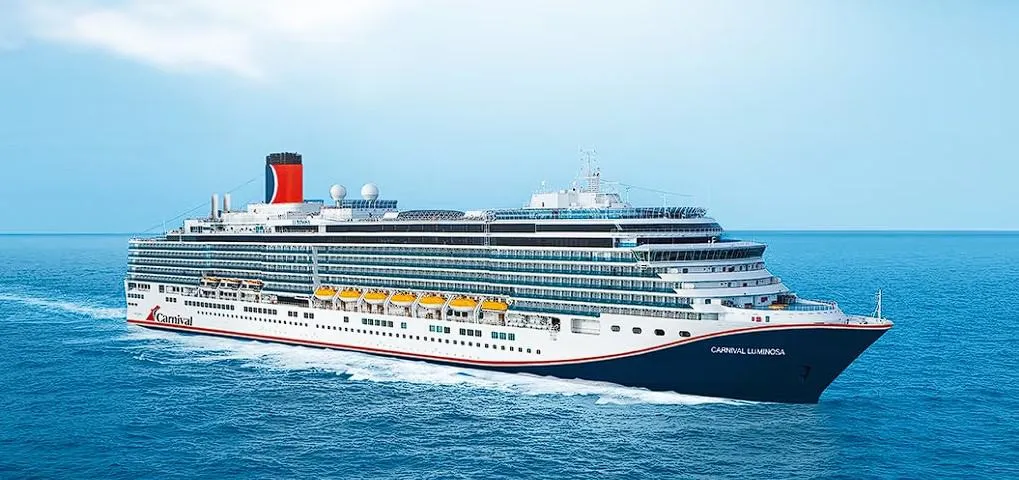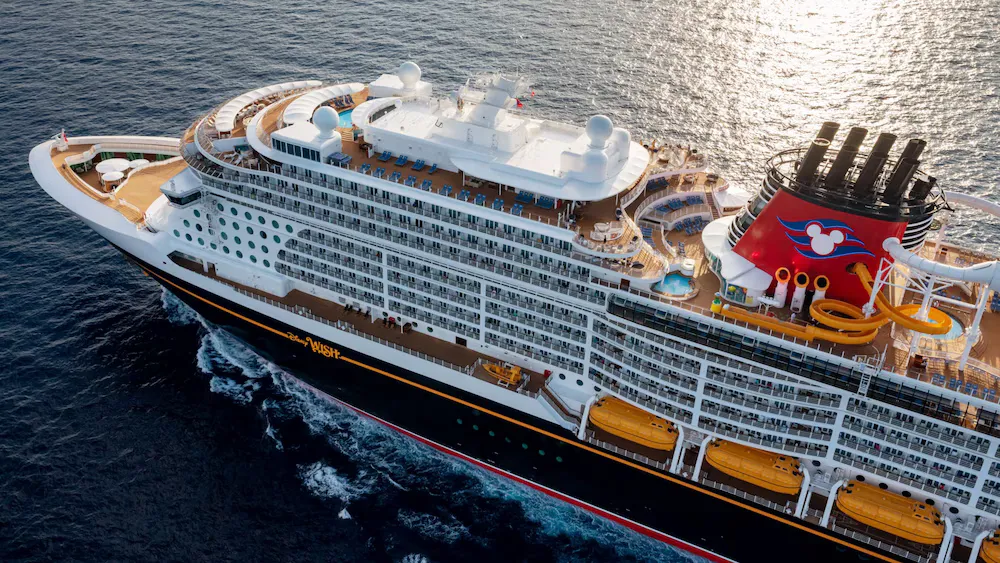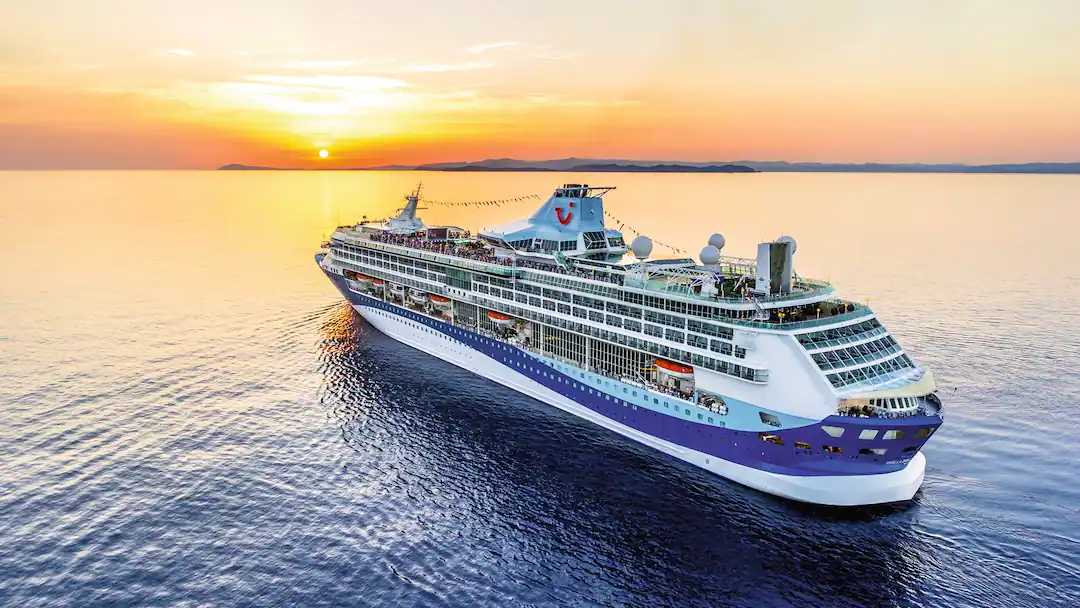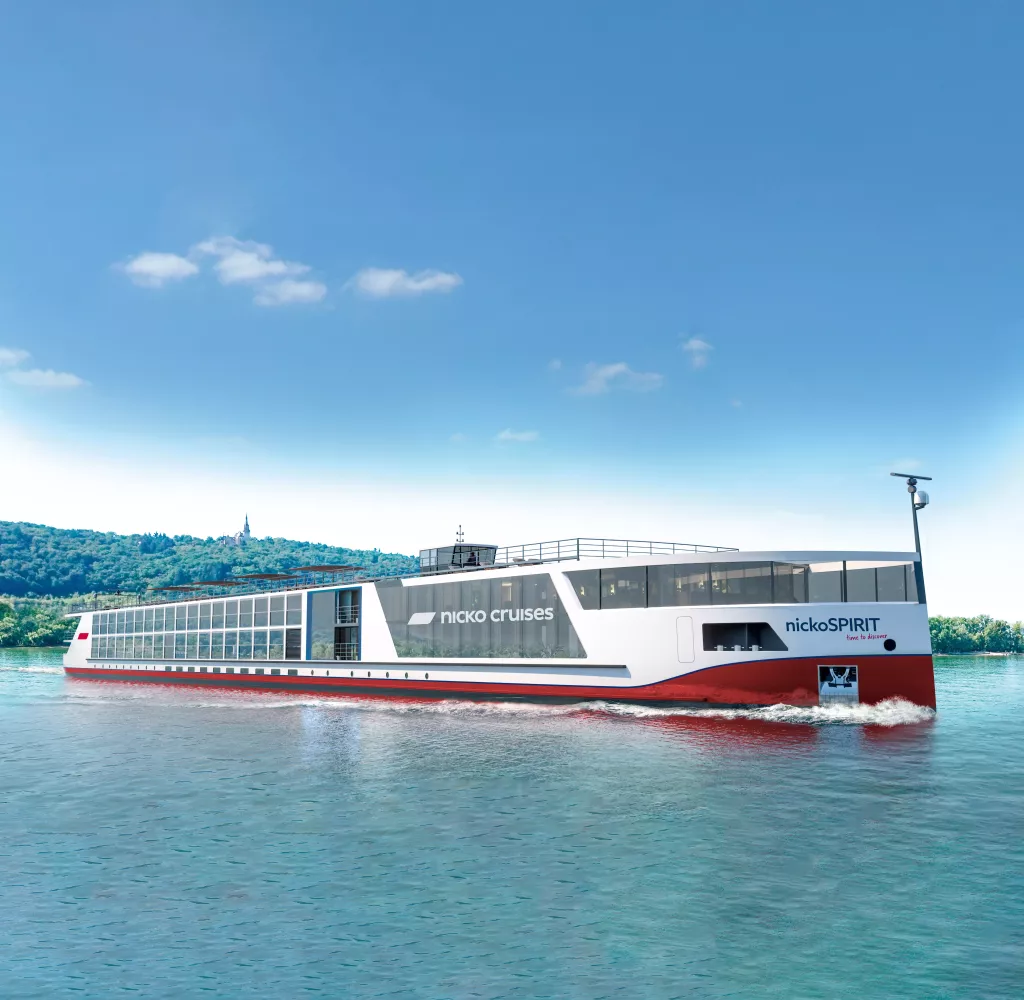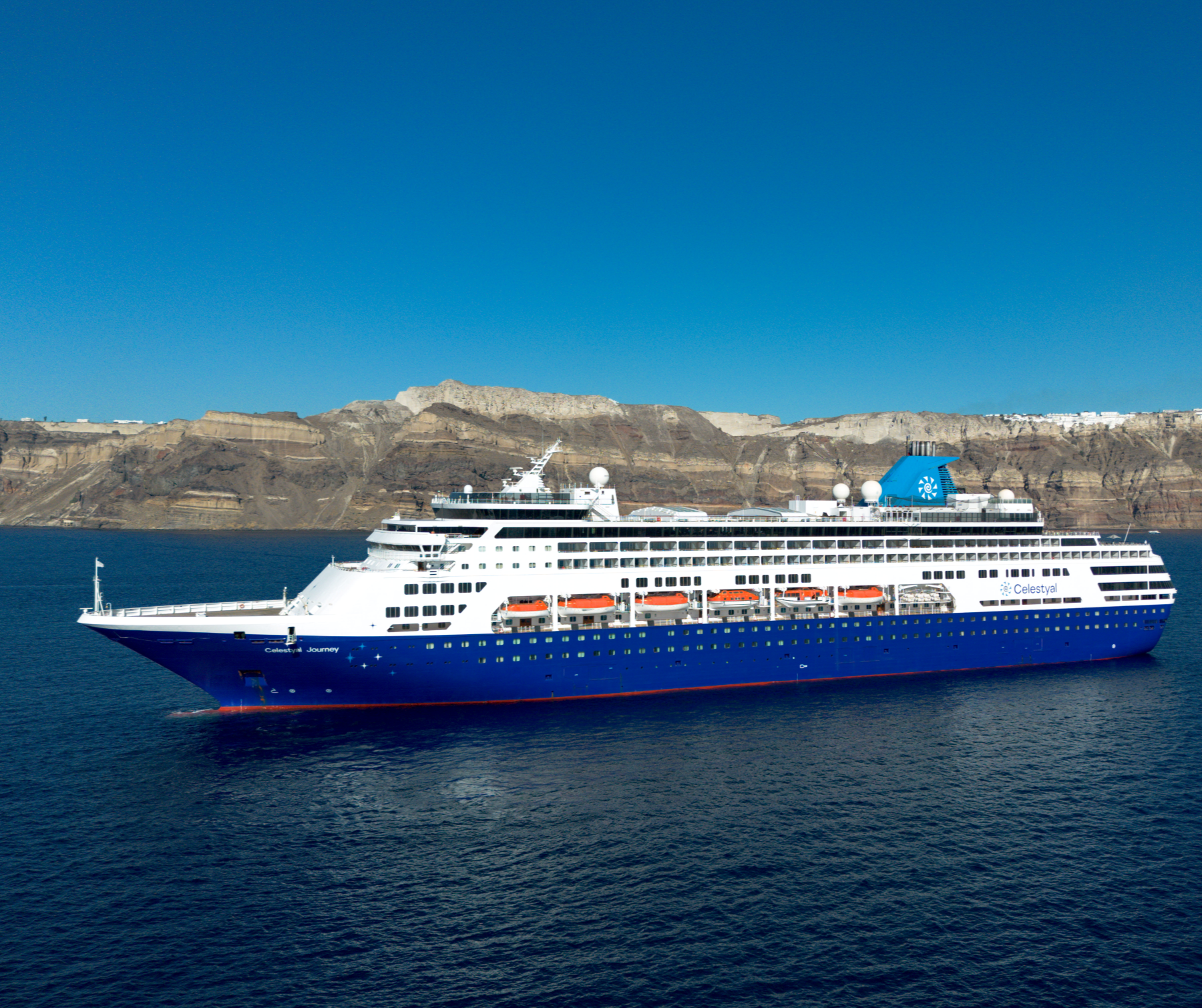
Celestyal Cruises and MSC Cruises both carry Mediterranean DNA, but the resemblance ends there — one is a two-ship Greek Islands specialist with all-inclusive fares from under $400, the other is the world's largest privately-owned cruise company operating 23 mega-ships globally. Jake Hower compares the niche Greek specialist with the European mega-ship giant for Australian travellers.
| Celestyal Cruises | MSC Cruises | |
|---|---|---|
| Category | Mainstream | Mainstream |
| Rating | ★★★★☆ | ★★★★☆ |
| Fleet size | 2 ships | 23 ships |
| Ship size | Mid-size (1,000–1,800) | Mega (4,000+) |
| Destinations | Greek Islands, Eastern Mediterranean, Adriatic | Mediterranean, Caribbean, Northern Europe, Middle East |
| Dress code | Casual to formal | Smart casual |
| Best for | Greek Islands and Eastern Mediterranean cruisers | European-style family cruisers |
These lines serve entirely different purposes. Celestyal is a destination-first choice for travellers whose priority is the Greek Islands at an unbeatable price — genuinely all-inclusive 3- to 7-night sailings from Athens with meals, drinks, excursions, and gratuities bundled. MSC is a full-scale mainstream cruise line with massive ships, extensive onboard facilities, global itineraries, and genuine Australian market presence. For Australian travellers wanting a Mediterranean cruise, MSC offers more ships, more departures, and a luxury option in the Yacht Club ship-within-a-ship. For travellers who want Greece specifically, and want it affordably, Celestyal delivers a focused experience that MSC's mega-ships cannot replicate.
The core difference
Celestyal Cruises is a Greek-owned specialist operating two mid-size ships — Celestyal Journey and Celestyal Discovery, each carrying around 1,200 passengers — from a year-round homeport in Athens. The line’s entire identity is built around the Aegean and Eastern Mediterranean: 3-, 4-, and 7-night sailings to Santorini, Mykonos, Rhodes, Patmos, Kusadasi, and beyond. The pricing is genuinely all-inclusive, bundling meals, drinks, shore excursions, and gratuities at rates that start under $400 for a short sailing. Celestyal does not compete on ship facilities, fleet size, or global reach. It competes on destination expertise and value.
MSC Cruises is the world’s largest privately-owned cruise company, founded in Naples in 1987 and still headquartered in Geneva under the Aponte family’s Mediterranean Shipping Company empire. The fleet of 23 ships spans five generations of vessel classes, from the older Lirica-class to the cutting-edge World Class — MSC World Europa and MSC World America — which top 200,000 gross tonnes and carry nearly 7,000 passengers across 22 decks divided into themed districts. MSC’s Mediterranean roots show in the Swarovski crystal staircases, marble lobbies, and Italian-designed interiors, but the line now sails globally — Caribbean, Northern Europe, the Middle East, South America, and Australian waters.
The scale difference between these lines is not a matter of degree — it is a difference in kind. Celestyal’s 1,200-guest ships and MSC’s 7,000-guest mega-ships occupy fundamentally different categories of cruising. Celestyal offers intimate port access and cultural immersion in Greek waters. MSC offers a floating resort city with entertainment, dining, and facilities that Celestyal’s mid-size ships simply cannot house. The comparison is relevant because both lines sail the Mediterranean and both carry European character — but the onboard experience could hardly be more different.
What is actually included
Celestyal’s all-inclusive fare bundles meals in the buffet and a-la-carte restaurants, a classic drinks package covering beer, wine, spirits, and soft drinks, two select shore excursions per voyage, port charges, onboard entertainment, and gratuities. Seven-night sailings start under $900 per person, and the 3-night Iconic Greek Islands itinerary comes in under $400. The included excursions — visiting sites like Ephesus, the Acropolis of Lindos, and the Monastery of St John on Patmos — represent genuine added value.
MSC’s base fare covers accommodation and meals in the main dining room and buffet. Alcoholic beverages, speciality dining, shore excursions, Wi-Fi, spa treatments, and gratuities are additional. MSC offers various add-on packages — beverage packages, speciality dining packages, and all-inclusive bundles — but the base fare is substantially less inclusive than Celestyal’s. The MSC Yacht Club fare is more comprehensive, including premium beverages, butler service, and access to the private restaurant and deck areas, but at a significantly higher price point.
The inclusion gap favours Celestyal at the base fare level. A couple on a 7-night Celestyal voyage knows the total cost before boarding, with drinks, excursions, and tips included. A couple on a comparable MSC Mediterranean sailing will add beverage packages (approximately EUR $50 to $70 per person per day), excursion costs, gratuities (approximately EUR $14 per person per day), and Wi-Fi to the base fare. The total-cost difference narrows once MSC’s add-ons are factored in, but Celestyal’s all-inclusive simplicity remains its strongest commercial advantage.
Dining and culinary experience
Celestyal’s dining is rooted in Greek heritage. The a-la-carte restaurant offers multi-course Mediterranean menus with regional specialities — moussaka, grilled octopus, fresh seafood, and lamb dishes — alongside international options. The buffet provides a broader daily selection. Greek cooking classes, olive oil tastings, and themed Greek evenings extend the culinary experience. The food is regionally authentic and honestly presented rather than gastronomically ambitious.
MSC’s dining programme reflects the line’s Italian DNA across a far larger canvas. The main restaurants serve Mediterranean-influenced multi-course menus with an emphasis on Italian cuisine — fresh pasta, risotto, and regional Italian dishes feature prominently. Speciality restaurants vary by ship and class: Butcher’s Cut steakhouse, Kaito sushi and teppanyaki, Hola! tapas, and the Ocean Cay seafood restaurant appear across the fleet. The newer World Class ships introduce district-based dining with dedicated restaurants in each themed zone. The MSC Yacht Club’s private restaurant delivers a fine dining experience with personalised service and premium ingredients.
The dining comparison is one of breadth versus depth. Celestyal offers two to three dining venues with authentic Greek flavour. MSC offers five to fifteen venues per ship with global culinary variety, Italian foundations, and speciality options ranging from sushi to steak. For food-motivated travellers, MSC provides more choice and more variety — particularly for those willing to pay for speciality venues. For travellers who want dining that tastes of the destination, Celestyal’s Greek-focused menus are more culturally immersive than MSC’s international programme.
Suites and accommodation
Celestyal’s cabins range from interior staterooms to balcony cabins and suites. The ships are older and refurbished, with functional rather than lavish cabin dimensions. In-cabin experience tablets were introduced fleet-wide in early 2026. The accommodation is appropriate for the short sailing durations and destination-intensive itineraries — the cabin is a base, not a destination.
MSC’s accommodation spans an extraordinary range. Interior cabins start compact and affordable. Balcony staterooms offer private outdoor space with Mediterranean views. Aurea Experience staterooms add premium amenities including priority dining, a welcome gift, and spa access. The MSC Yacht Club suites occupy the pinnacle — spacious suites with 24/7 butler service, a dedicated concierge, a private restaurant, an exclusive pool deck, and priority embarkation. On the World Class ships, the Yacht Club’s Owner’s Suites and Royal Suites approach genuine luxury dimensions, with separate living areas, whirlpool baths, and private balconies that rival boutique luxury vessels.
The accommodation gap is substantial. MSC offers a range from budget-friendly inside cabins to genuine luxury suites with butler service — a spectrum that Celestyal’s two-ship fleet cannot match. The Yacht Club concept is particularly notable: it delivers a luxury cruise experience with private facilities and personalised service aboard a mainstream ship, at roughly 30 to 50 per cent less than an equivalent suite on a dedicated luxury line. For travellers who want both the facilities of a mega-ship and the service of a luxury vessel, MSC’s Yacht Club is a compelling proposition that Celestyal has no equivalent for.
Pricing and value
Celestyal’s pricing is its headline attraction. The 3-night Iconic Greek Islands starts under $400 per person all-inclusive. Seven-night sailings start under $900. These fares include meals, drinks, two excursions, and gratuities — genuine all-in prices with minimal extras. For Australians, return flights to Athens add approximately AUD $1,500 to $2,500 per person. A complete Celestyal Greek Islands holiday is achievable for under AUD $3,000 per person.
MSC’s pricing is competitive for a global mainstream line. Seven-night Mediterranean sailings start from approximately AUD $800 to $1,200 per person for inside or balcony cabins. Adding a beverage package (approximately AUD $70 to $100 per day), gratuities (approximately AUD $20 per day), Wi-Fi, and excursions brings the total to approximately AUD $1,500 to $2,500 per person for a 7-night voyage. MSC Yacht Club pricing starts from approximately AUD $2,500 to $4,000 per person for 7 nights — substantially more but including premium beverages, butler service, and private facilities. For Australians, MSC’s Australian deployments eliminate the need for international flights on some itineraries, representing a significant saving.
The value comparison depends on priorities. Celestyal wins on absolute price per night and all-inclusive transparency for Greek Islands cruising. MSC wins on ship facilities, destination variety, Australian accessibility, and the availability of a luxury tier (the Yacht Club) that Celestyal cannot offer. For budget-conscious travellers wanting Greece specifically, Celestyal is the clear choice. For travellers wanting a Mediterranean cruise with more onboard facilities and the option to sail from Australian ports, MSC provides better value over the broader holiday.
Spa and wellness
Celestyal’s spa is modest — treatment rooms offering massage, facials, and body treatments alongside a fitness centre and pool deck. The Mediterranean climate supports outdoor relaxation, but the facilities are proportionate to the mid-size ships and short sailing durations.
MSC’s spa and wellness offering is expansive, particularly on the newer ships. The MSC Aurea Spa features thermal suites, treatment rooms, saunas, steam rooms, and hydrotherapy pools. The World Class ships house some of the largest spa facilities at sea, with dedicated wellness zones spanning multiple decks. Fitness centres are well-equipped, and some ships feature outdoor running tracks and sports courts. The Yacht Club’s private sun deck adds an exclusive wellness dimension with a dedicated pool, whirlpool, and sun loungers.
The spa comparison reflects the broader ship-size gap. MSC’s mega-ships house spa complexes that Celestyal’s mid-size vessels physically cannot accommodate. For spa-motivated travellers, MSC offers a materially superior experience. For travellers whose wellness priority is swimming in the Aegean and walking through Greek island villages, Celestyal’s simpler facilities are entirely sufficient.
Entertainment and enrichment
Celestyal’s entertainment is culturally immersive — Greek cooking classes, traditional dancing lessons, wine tastings, and live Greek music. Evening shows are modest. The 3- and 4-night itineraries include overnight stays in Santorini and Mykonos, where many guests spend their evenings ashore exploring the islands’ nightlife. The destination is the entertainment.
MSC’s entertainment matches the scale of its ships. Production shows in state-of-the-art theatres, Cirque du Soleil at Sea performances on Meraviglia-class vessels, LED domes with immersive projection experiences, and dedicated entertainment zones across themed districts provide a staggering breadth of evening activity. For families, the entertainment is even more extensive — aquaparks with elaborate water slides, LEGO-themed experiences on select ships, robotic rides, bumper cars, sports courts, and kids’ clubs spanning every age group. The nightlife programme includes themed bars, dance clubs, and casino gaming.
The entertainment gap is the widest between these two lines. MSC’s mega-ships are purpose-built entertainment complexes with facilities that rival shore-side theme parks. Celestyal’s mid-size ships are purpose-built island ferries — in the best sense — designed to move guests efficiently between Greek ports. For travellers who want entertainment, MSC has no equal in this comparison. For travellers who view the ship as transport to the destination, Celestyal’s cultural programming is appropriately scaled.
Fleet and destination coverage
Celestyal’s two ships sail year-round from Athens to the Aegean, Eastern Mediterranean, and Adriatic. Itineraries include 3-night Iconic Greek Islands, 4-night Iconic Aegean, 7-night voyages adding Turkish and Adriatic ports, and winter deployments to Dubai and the Arabian Gulf. The geographic focus is narrow and deep — Celestyal knows Greek waters better than any competitor.
MSC’s 23 ships sail virtually everywhere. Mediterranean itineraries from Barcelona, Genoa, and Marseille are the fleet’s home-turf strength. Caribbean sailings from Miami and beyond cover the Western Caribbean, Eastern Caribbean, and Bahamas. Northern European deployments visit the Norwegian Fjords, Baltic capitals, and Iceland. The Middle East, South America, and Africa are covered seasonally. Australian and New Zealand deployments bring MSC to local waters. The fleet is growing — additional ships are on order through the end of the decade — and MSC’s ambition to be the world’s largest cruise company by fleet size is well advanced.
For Australian travellers, MSC’s Australian deployments are a decisive advantage. Sailing from Australian ports eliminates long-haul flights, reduces total holiday cost, and provides a familiar embarkation experience. Celestyal requires flights to Athens for every sailing. In Mediterranean waters, MSC offers more ships, more departure dates, and more embarkation ports — Barcelona, Genoa, Marseille, Venice — giving Australian travellers more flexibility in planning. Celestyal counters with a depth of Greek Islands access — frequent short sailings to Santorini, Mykonos, and beyond — that MSC’s Mediterranean programme does not replicate at the same frequency or price point.
Where each line excels
Celestyal excels in:
Greek Islands value. All-inclusive fares starting under $400 for 3-night sailings — the most affordable way to cruise the Greek Islands with drinks, excursions, and gratuities included. No mainstream competitor matches this combination.
All-inclusive simplicity. Meals, drinks, two excursions, and gratuities bundled into the fare. No beverage packages to compare, no add-on decisions, no end-of-voyage bill shock.
Short taster cruises. The 3- and 4-night Iconic itineraries are ideal for first-time cruisers or travellers adding a Greek Islands sailing to a European holiday.
Port intimacy. Mid-size ships accessing smaller Greek island harbours that MSC’s mega-ships cannot enter. Celestyal reaches ports where its passengers may be the only cruise guests ashore.
MSC excels in:
Ship facilities. Aquaparks, production theatres, Cirque du Soleil, themed districts, dozens of restaurants and bars — entertainment and dining on a scale that Celestyal’s mid-size ships cannot house.
The Yacht Club. A luxury ship-within-a-ship with butler service, private restaurant, exclusive pool deck, and spacious suites at a fraction of dedicated luxury line pricing. A genuinely clever product with no Celestyal equivalent.
Australian accessibility. Seasonal Australian deployments eliminate international flights for some itineraries. MSC has established Australian market presence with local booking channels.
Global itineraries. Twenty-three ships covering every major cruise region — Mediterranean, Caribbean, Northern Europe, Middle East, South America, and Australian waters.
Standout itineraries for Australian travellers
Celestyal’s 3-Night Iconic Greek Islands (roundtrip Athens) is the standout for Australians fitting a Greek Islands cruise into a European holiday. Mykonos, Santorini, and Kusadasi with an overnight in Santorini, all-inclusive for under $400 per person. Fly to Athens via Singapore, Doha, or Dubai from Australian east coast cities.
Celestyal’s 7-Night Heavenly Adriatic adds Dubrovnik, Kotor, and Corfu to Greek island ports for under $900 per person all-inclusive — excellent value for Australians wanting a longer sailing to justify the flight to Athens.
MSC’s 7-Night Western Mediterranean from Barcelona or Genoa aboard the newer Meraviglia-class or World Class ships represents the flagship MSC experience. Italian Riviera ports, French Riviera calls, and the full entertainment suite. Fly to Barcelona from Australian gateways via the Middle East or Singapore.
MSC’s Australian deployment (seasonal, varying ships and itineraries) is the most accessible MSC option for Australian travellers — no international flight required, with departures from local ports. Check current season availability for ship and itinerary details.
MSC Yacht Club on any Mediterranean sailing is the recommendation for Australians wanting a luxury Mediterranean experience at a mainstream price point. Butler service, private dining, exclusive deck space, and priority everything — the Yacht Club on a 7-night Mediterranean voyage from approximately AUD $2,500 per person delivers remarkable value for the service level.
Ship-by-ship recommendations
Celestyal Journey and Celestyal Discovery (approximately 1,200 guests each) offer a comparable experience. Choose by itinerary — the 3- or 4-night Iconic sailings for a taster, the 7-night Heavenly Adriatic for a fuller voyage. Both ships received in-cabin experience tablets in early 2026.
MSC World Europa or MSC World America (approximately 6,700 guests, World Class) are the flagship experience — 22 decks, themed districts, the most extensive entertainment and dining in the fleet. Choose for the definitive MSC mega-ship experience with the largest selection of restaurants, bars, and entertainment venues.
MSC Meraviglia, Bellissima, Grandiosa, or Virtuosa (approximately 4,800 to 6,300 guests, Meraviglia Class) are the Mediterranean sweet spot — large enough for comprehensive facilities including the LED Dome and Cirque du Soleil performances, but slightly more manageable than the World Class ships.
MSC Yacht Club on any equipped ship (available on 15 vessels) transforms the MSC experience into a luxury proposition. The private restaurant, butler service, exclusive sun deck, and spacious suites create a genuinely premium experience within a mainstream ship. The Yacht Club on a Meraviglia-class vessel is an excellent entry point.
MSC Lirica, Opera, Sinfonia, or Armonia (approximately 2,100 to 2,700 guests, older classes) are MSC’s smaller, older ships. They lack the headline facilities of the newer fleet but offer a more intimate experience and competitive pricing. Occasionally deployed in the Eastern Mediterranean, making them the closest MSC equivalent to Celestyal’s scale.
For Australian travellers specifically
The Australian accessibility gap between these lines is significant and favours MSC decisively.
MSC has established Australian market presence with local booking channels, Australian deployments, and familiarity in the travel trade. MSC ships deployed seasonally to Australian waters offer the simplest way for Australians to experience the line — no international flights, local embarkation, and AUD pricing. For Mediterranean sailings, MSC’s multiple embarkation ports (Barcelona, Genoa, Marseille) provide flexibility in flight routing from Australian gateways. The MSC Voyagers Club loyalty programme accumulates benefits across sailings, making it viable for Australian repeat cruisers.
Celestyal has minimal Australian visibility. The line homeports in Athens, requiring flights of 20 to 24 hours via one connection through Singapore, Doha, Abu Dhabi, or Dubai. There are no Australian deployments and no local booking infrastructure. Celestyal is best booked through specialist cruise agents familiar with the product. The line’s short 3- and 4-night itineraries make it a practical add-on to a broader European or Greek holiday rather than a standalone trip.
The flight cost comparison favours Celestyal marginally for Mediterranean cruises — return flights to Athens are comparable to flights to Barcelona or Genoa for MSC Mediterranean sailings. But MSC’s Australian deployments eliminate the flight cost entirely for some itineraries, a structural advantage that Celestyal cannot match.
The onboard atmosphere
Celestyal’s atmosphere is warm, Mediterranean, and destination-focused. The passenger mix is predominantly European — Greek, British, German, and French travellers — with a relaxed, sociable energy on ships carrying around 1,200 guests. Greek music, regional cuisine, and the islands visible from the rail create an ambiance rooted in the Aegean. The dress code is casual to smart casual. The feeling is of a floating Mediterranean boutique hotel.
MSC’s atmosphere is distinctly European and cosmopolitan. Announcements in multiple languages, a guest mix drawing from Italy, France, Germany, Spain, the UK, and an expanding American and Australian contingent create an international ambiance unlike the more homogeneous American-line atmosphere. Italian design sensibilities show in the interiors — Swarovski crystal, marble, and contemporary European styling. The dress code is smart casual with optional elegant evenings. The energy is higher than Celestyal’s — more crowded, more varied, more stimulating — reflecting the scale of ships carrying 4,000 to 7,000 guests. The Yacht Club creates a separate, quieter atmosphere within the larger ship.
The atmosphere comparison mirrors the scale difference. Celestyal feels intimate and Greek. MSC feels cosmopolitan and European on a grand scale. For travellers who prefer the intimacy of knowing their fellow passengers, Celestyal’s 1,200-guest ships deliver a more personal experience. For travellers energised by variety, international mixing, and the buzz of a floating city, MSC’s mega-ships provide a fundamentally different kind of holiday.
The bottom line
Celestyal Cruises and MSC Cruises are both Mediterranean-born lines with European character, but they offer such different products that choosing between them is more a question of travel philosophy than preference within a category. Celestyal is a specialist; MSC is a generalist. Celestyal is a mid-size ship; MSC is a mega-ship. Celestyal is all-inclusive at entry-level pricing; MSC is a la carte with a luxury tier available.
Choose Celestyal for the Greek Islands at a price that makes the comparison almost absurd. Choose it for all-inclusive fares from under $400, for overnight stays in Santorini and Mykonos, for included shore excursions to Ephesus and Patmos, and for mid-size ships that reach harbours MSC’s vessels cannot enter. Accept the older ships, the modest entertainment, and the narrow geographic focus.
Choose MSC for a full-scale mainstream cruise experience with Mediterranean soul. Choose it for the sheer variety of ships, destinations, and onboard facilities. Choose it for the Yacht Club — a luxury ship-within-a-ship that delivers butler service and private dining at a fraction of luxury line pricing. Choose it for Australian deployments that eliminate international flights. Choose it for a fleet of 23 ships covering every major cruise region in the world. Accept the crowds, the add-on pricing structure, and the sometimes variable service consistency across a fleet this large.
For Australian travellers, the practical recommendation is often both rather than either. A Celestyal 3-night taster added to a Greek holiday and an MSC Yacht Club Mediterranean sailing as a standalone cruise serve entirely different purposes — and both deliver exceptional value within their categories.