Celestyal Cruises and Disney Cruise Line occupy entirely different corners of mainstream cruising — a Greek-owned specialist running all-inclusive Aegean itineraries on two mid-size ships versus the world's most recognised family entertainment brand with seven large vessels sailing globally. Jake Hower compares their inclusions, dining, fleet, and value for Australian travellers considering either line.
| Celestyal Cruises | Disney Cruise Line | |
|---|---|---|
| Category | Mainstream | Mainstream |
| Rating | ★★★★☆ | ★★★★☆ |
| Fleet size | 2 ships | 7 ships |
| Ship size | Mid-size (1,000–1,800) | Large (2,000–4,000) |
| Destinations | Greek Islands, Eastern Mediterranean, Adriatic | Caribbean, Alaska, Mediterranean, Northern Europe |
| Dress code | Casual to formal | Cruise casual |
| Best for | Greek Islands and Eastern Mediterranean cruisers | Families seeking Disney magic at sea |
These two lines serve fundamentally different purposes. Celestyal is a destination-first choice for travellers whose priority is the Greek Islands at an exceptional price — genuinely all-inclusive 3- to 7-night sailings from Athens with meals, drinks, excursions, and tips included from under $400. Disney is a once-in-a-lifetime family experience with Broadway-calibre entertainment, world-class kids' clubs, and rotational dining that no competitor replicates. For Australian families wanting magic at sea, Disney is peerless despite the premium pricing and long-haul flights. For couples or cultural travellers wanting an affordable, immersive Greek Islands cruise, Celestyal delivers remarkable value. The two lines rarely compete for the same booking.
The core difference
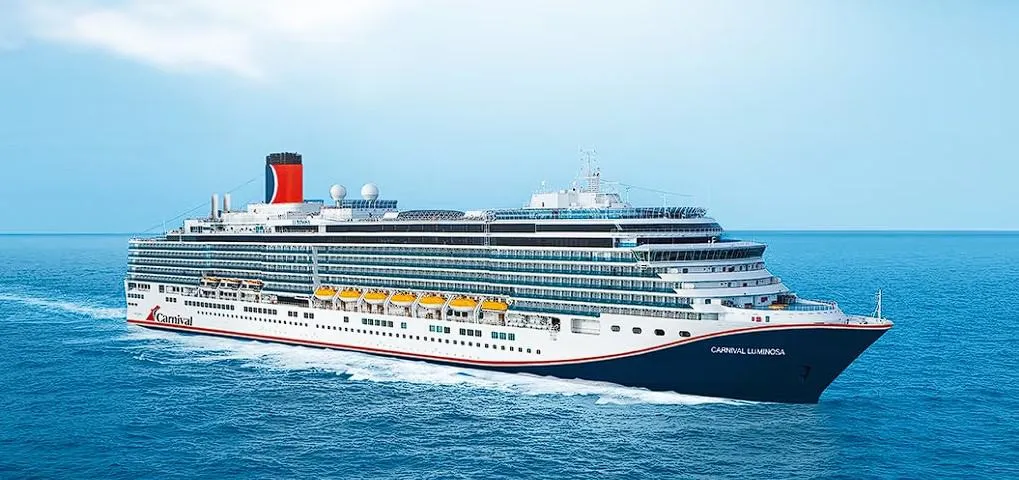
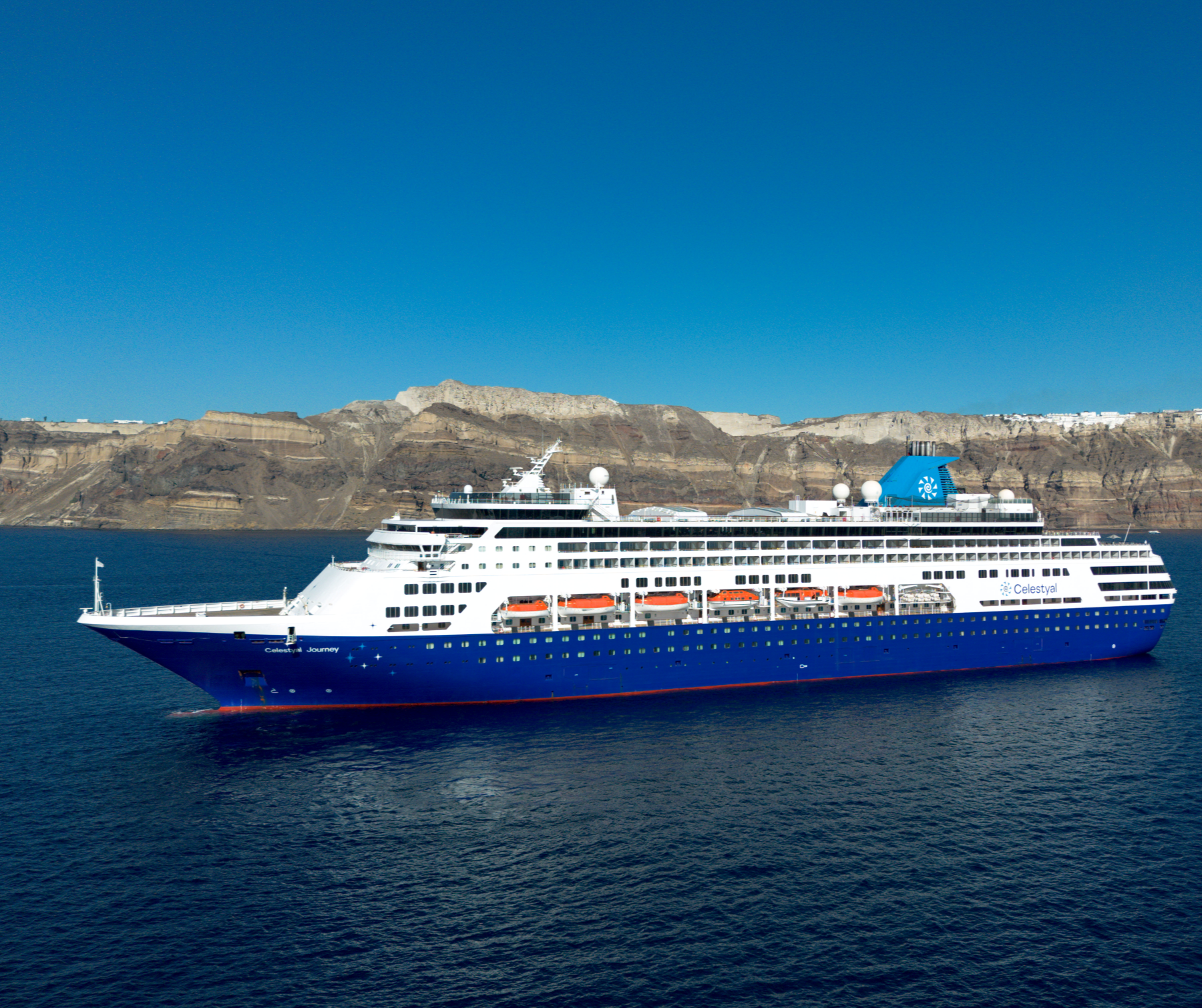
Celestyal Cruises is a Greek-owned specialist with over 30 years of experience and a singular geographic focus: the Aegean, Eastern Mediterranean, and Adriatic. The line homeports in Athens year-round — the only cruise company to do so — and operates two mid-size ships, Celestyal Journey and Celestyal Discovery, each carrying around 1,200 passengers. The ships are not the newest afloat, but their size allows access to smaller island ports that mega-ships cannot reach. The real proposition is the itinerary design and the pricing: genuinely all-inclusive fares bundling meals, drinks, shore excursions, and gratuities at rates that start under $400 for a 3-night sailing. Celestyal does not try to be all things to all travellers, and that honesty is its strength.
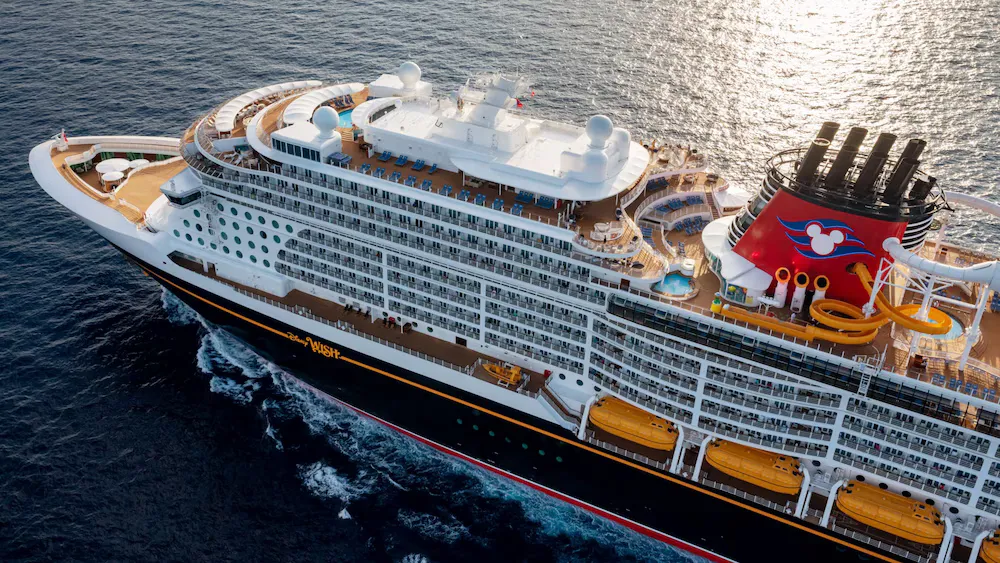
Disney Cruise Line needs little introduction. Seven ships — Disney Magic, Disney Wonder, Disney Dream, Disney Fantasy, Disney Wish, Disney Treasure, and the newly launched Disney Destiny — deliver Disney’s legendary storytelling at sea. The Wish-class vessels carry over 4,000 guests across multiple decks of themed entertainment, dining, and recreation. Disney Adventure launches from Singapore in March 2026, bringing the fleet to eight. The onboard experience revolves around rotational dining, Broadway-calibre stage shows, exceptional youth programming, and character experiences that are impossible to replicate outside of a Disney property. The pricing reflects this exclusivity — Disney commands a premium over every other mainstream line.
For Australian travellers, neither line offers domestic departures, but they serve entirely different travel motivations. Celestyal is for the traveller whose destination is Greece, and whose priority is immersive, affordable access to the Greek Islands. Disney is for the family whose priority is the cruise experience itself — the magic, the entertainment, the kids’ clubs — with the destination as a pleasant backdrop. These are not competing products so much as parallel universes within mainstream cruising.
What is actually included
Celestyal’s all-inclusive model is remarkably comprehensive for a mainstream line. The fare bundles all meals in the buffet and a-la-carte restaurants, a classic drinks package covering beer, wine, spirits, and soft drinks, two select shore excursions per voyage, port charges, onboard entertainment, and gratuities. Seven-night sailings start under $900 per person, and the 3-night Iconic Greek Islands itineraries come in under $400. The only meaningful extras are premium drinks beyond the classic package, spa treatments, and additional shore excursions. For a traveller wanting to know the total cost before boarding, Celestyal is one of the most transparent options in mainstream cruising.
Disney’s fare covers accommodation, meals in the main rotational dining restaurants, the kids’ clubs (Oceaneer Club, Oceaneer Lab, Edge, and Vibe), pool and deck access, and entertainment including the Broadway-calibre stage shows. What it does not include: alcoholic beverages, speciality dining venues such as Palo Steakhouse and Enchante, shore excursions, Wi-Fi, spa treatments, and gratuities (approximately USD $16 per person per day). Disney offers optional beverage packages and Wi-Fi plans, but the add-ons accumulate quickly. A family of four can easily spend AUD $1,500 to $3,000 in extras over a seven-night voyage.
The cost philosophy is fundamentally different. Celestyal bundles everything into a low headline fare, making it one of the strongest value propositions in Mediterranean cruising. Disney starts with a higher base fare and layers optional extras on top, reflecting the company’s broader strategy of premium experiential pricing. For budget-conscious travellers, Celestyal wins decisively on transparency. For families willing to pay more for unrivalled entertainment and youth programming, Disney’s premium is justified by the quality of the experience.
Dining and culinary experience
Celestyal’s dining leans into its Greek and Mediterranean heritage. The main restaurant offers a-la-carte service with multi-course menus featuring regional dishes — moussaka, grilled octopus, fresh seafood sourced from local waters, and Greek salads that taste noticeably different at the source. The buffet complements with a broader international selection. Greek cooking classes are offered as part of the onboard cultural programme, and themed Greek nights add atmosphere with regional wines, live music, and traditional dancing. The dining is honest, flavourful, and rooted in place rather than spectacle. It will not win awards for culinary innovation, but it delivers authentic regional cuisine at a price point that makes speciality restaurants on other lines look expensive.
Disney’s dining programme is unique in the industry. The rotational dining concept moves guests through three distinctly themed restaurants each evening — Worlds of Marvel, 1923, and Arendelle on Disney Wish, for example — while their dedicated serving team follows them from venue to venue. By the second night, waitstaff know children’s names and favourite drinks. Adult-exclusive speciality restaurants include Palo Steakhouse (available fleet-wide), Enchante by Chef Arnaud Lallement on Disney Wish, and the French-inspired Remy on Disney Dream and Fantasy. The themed restaurants are theatrical experiences in themselves, with animated screens, character interactions, and menus designed to complement each restaurant’s story. Room service is complimentary around the clock.
The comparison is not about quality in isolation — both lines feed their guests well. The difference is intent. Celestyal’s dining serves the destination, bringing the flavours of Greece and the Eastern Mediterranean to the table as part of a culturally immersive experience. Disney’s dining serves the brand, transforming every meal into a story-driven event where the food is excellent but the theatre is the point. For food-motivated travellers seeking regional authenticity, Celestyal delivers. For families wanting dining as entertainment, Disney is in a category of its own.
Suites and accommodation
Celestyal’s accommodation reflects the line’s value-first philosophy. Cabins range from interior rooms to balcony staterooms and suites across both Celestyal Journey and Celestyal Discovery. The ships are not new-builds — they are older vessels that have been refurbished — and cabin sizes are functional rather than lavish. Recent upgrades include in-cabin experience tablets fleet-wide, introduced in early 2026. The suites offer more space and private balconies, but the emphasis is on spending time ashore and on deck rather than retreating to the cabin. For a 3- to 7-night sailing focused on port-intensive Greek Islands itineraries, the accommodation is perfectly adequate.
Disney’s accommodation spans a broader range, from inside staterooms to the two-storey Royal Suites on the Wish-class ships. Standard staterooms on Disney’s fleet are notably more spacious than industry averages, and the split-bathroom design on newer ships — with the shower and toilet separated from the sink and vanity — is a family-friendly innovation that other lines have yet to copy. Verandah staterooms are available across all ships, and concierge-level accommodation adds a dedicated lounge, priority dining, and personal concierge service. The theming extends to the cabins: enchanted portholes in inside staterooms display animated Disney characters swimming past, delighting children.
The gap in accommodation quality is real and reflects the price difference. Disney invests heavily in cabin design, theming, and space because the stateroom is part of the immersive experience. Celestyal invests in itinerary design and all-inclusive pricing because the destination is the experience. Travellers who spend most of their time ashore exploring Greek islands will find Celestyal’s cabins perfectly serviceable. Families who want the cabin itself to feel magical will appreciate Disney’s attention to detail.
Pricing and value
Celestyal’s pricing is its most compelling feature. Seven-night sailings start under $900 per person all-inclusive — meals, drinks, two excursions, gratuities, and port charges bundled. The 3-night Iconic Greek Islands itinerary starts under $400 per person. The 4-night Iconic Aegean adds Crete and can be had for similarly competitive rates. For Australian travellers, the flight to Athens from Sydney or Melbourne via Singapore, Doha, or Dubai typically costs AUD $1,500 to $2,500 return, making a complete Greek Islands cruise holiday achievable for under AUD $3,000 per person.
Disney’s pricing is the highest in the mainstream segment. A seven-night Caribbean sailing in a verandah stateroom starts from approximately USD $2,500 to $4,000 per person, with Wish-class ships commanding premiums. Add gratuities (approximately USD $112 per person for a seven-night voyage), beverage packages, speciality dining, Wi-Fi, and shore excursions, and the total per-person cost can reach AUD $5,000 to $8,000 before flights. For Australian families, return flights to Florida add AUD $2,000 to $3,500 per person. A Disney cruise holiday for a family of four from Australia can easily exceed AUD $25,000 to $35,000 all in.
The value equation is not simply about price. Celestyal delivers exceptional value per dollar for destination-focused travellers who want Greece at an affordable price. Disney delivers exceptional value per dollar for families who want an entertainment experience that exists nowhere else at sea. Comparing them on price alone misses the point — they are selling fundamentally different products. But for Australians watching the budget, a Celestyal Greek Islands cruise costs roughly one-quarter to one-third of an equivalent Disney holiday when flights and extras are factored in.
Spa and wellness
Celestyal’s spa facilities are modest, befitting the line’s mid-size ships and value positioning. Both Celestyal Journey and Celestyal Discovery offer spa services including massage, facials, and body treatments, along with a fitness centre. The offerings are standard for a mid-size mainstream ship and appropriate for the short sailing durations — on a 3- or 4-night itinerary, most guests are ashore during the day and have limited spa time. Pool decks provide outdoor relaxation space, and the Mediterranean climate means open-air lounging is available throughout the sailing season.
Disney’s spa and wellness offering is substantially more developed. The Senses Spa and Salon, available across the fleet, offers a full menu of treatments including massage, facials, body wraps, and salon services in themed surroundings. The Rainforest Room — a thermal suite with heated loungers, steam rooms, and hydrotherapy pools — is available as a day pass or cruise-long access, and the adult-only Quiet Cove pool area provides a retreat from the family energy elsewhere on the ship. Fitness centres are well-equipped with ocean-view cardio equipment, and group classes are offered throughout the voyage. The Wish-class ships feature expanded spa facilities with additional treatment rooms and enhanced thermal suites.
The spa comparison reflects the broader product positioning. Celestyal provides serviceable spa facilities for travellers whose primary focus is the destination. Disney provides a comprehensive wellness retreat for families and couples seeking relaxation alongside the entertainment. For spa-motivated travellers, Disney’s Senses Spa and Rainforest Room are materially superior. For travellers who plan to spend most of their time exploring Santorini and Mykonos, Celestyal’s simpler offering is entirely sufficient.
Entertainment and enrichment
Celestyal’s entertainment leans into Greek culture rather than production spectacle. Onboard programming includes Greek cooking classes, traditional dancing lessons, regional wine tastings, and live Greek music performances. Evening entertainment features shows in the main lounge, but the emphasis is on cultural immersion rather than Broadway-calibre production. The 3- and 4-night itineraries are so port-intensive — with overnight stays in Santorini and Mykonos — that many guests spend their evenings ashore experiencing the islands’ nightlife rather than watching an onboard show. The ship is the vehicle; the destination is the entertainment.
Disney’s entertainment is unrivalled in the cruise industry. Each ship features original Broadway-calibre stage productions — Frozen, Tangled, The Little Mermaid, and the brand-new Hercules musical on Disney Destiny. Character meet-and-greets run throughout the day, from breakfast with princesses to deck parties with fireworks. The AquaMouse water coaster on Wish-class ships adds a theme-park thrill. Movie screenings, game shows, trivia, and themed deck parties fill every hour. The Oceaneer Club and Lab offer supervised programming for children aged three to twelve that is genuinely the best at sea, while Edge and Vibe cater to tweens and teens with age-appropriate activities. Adult-exclusive entertainment includes comedy shows, live music, and themed bars.
The entertainment gap is the widest difference between these two lines. Disney invests hundreds of millions of dollars in entertainment infrastructure and intellectual property that no other cruise line can access. Celestyal invests in authentic cultural programming that reflects its Greek heritage. For families seeking onboard entertainment, Disney is without peer. For travellers who view entertainment as secondary to destination immersion, Celestyal’s cultural programming is appropriately scaled and genuinely enriching.
Fleet and destination coverage
Celestyal operates two ships — Celestyal Journey and Celestyal Discovery — each carrying around 1,200 passengers. The fleet homeports in Athens year-round, sailing from Piraeus and Lavrio to the Aegean islands, Turkey, and the wider Eastern Mediterranean. Itineraries range from 3-night Iconic Greek Islands sailings to 7-night voyages covering the Adriatic (with Dubrovnik, Kotor, and Corfu) and winter deployments to Dubai and the Arabian Gulf. The mid-size ships access smaller island ports that mega-ships cannot reach, and the geographic focus means Celestyal knows its home waters better than any competitor. The limitation is absolute — if Greece and the Eastern Mediterranean are not your destination, Celestyal has nothing to offer.
Disney operates seven ships with an eighth — Disney Adventure — launching from Singapore in March 2026. The fleet covers the Caribbean and Bahamas (including two private island destinations, Castaway Cay and Lookout Cay at Lighthouse Point), Alaska, the Mediterranean, Northern Europe, and with Disney Adventure, Southeast Asia. Ship classes range from the classic Magic-class (approximately 2,700 guests) to the newest Wish-class (over 4,000 guests). The fleet is modern, well-maintained, and growing — further vessels are on order through the end of the decade.
For Australian travellers, destination coverage favours Disney on breadth and Celestyal on depth. Disney Adventure sailing from Singapore represents the closest Disney deployment to Australia, accessible via a seven- to eight-hour flight from east coast cities. Celestyal’s Athens homeport requires a longer connection through the Middle East or Asia. But if Greece is the destination, Celestyal offers more frequent departures, shorter itinerary options, and dramatically lower pricing than any Disney Mediterranean sailing passing through the same waters.
Where each line excels
Celestyal excels in:
Greek Islands access. No other cruise line homeports in Greece year-round with the same frequency of 3-, 4-, and 7-night sailings to iconic ports including Santorini, Mykonos, Rhodes, Patmos, and Kusadasi. The mid-size ships reach harbours that mega-ships bypass, and overnight stays allow guests to experience the islands after the day-trippers have left.
All-inclusive value. Genuinely all-inclusive fares starting under $400 for short sailings, bundling meals, drinks, excursions, and gratuities. For budget-conscious travellers, Celestyal removes the financial uncertainty that accompanies most cruise bookings.
Cultural immersion. Greek cooking classes, traditional dancing, regional cuisine, and local wine tastings create an onboard experience that feels authentically rooted in the destination rather than passing through it.
Disney excels in:
Family entertainment. The Oceaneer Club, Broadway-calibre shows, character experiences, and themed deck parties are the gold standard in cruise industry family programming. No competitor comes close.
Rotational dining. The unique system where serving staff follow guests through three themed restaurants each evening creates a personalised dining experience that builds genuine relationships between families and their waitstaff.
Private island destinations. Castaway Cay and Lookout Cay at Lighthouse Point in the Bahamas offer exclusive beach days that are among the best private island experiences in cruising.
Standout itineraries for Australian travellers
Celestyal’s 3-Night Iconic Greek Islands (roundtrip Athens) is the standout for value-conscious Australian travellers adding a short cruise to a European holiday. Visiting Mykonos, Santorini, and Kusadasi with an overnight in Santorini, this sailing packs iconic destinations into a long weekend at a price that makes it almost an impulse purchase. Fly to Athens from Sydney or Melbourne via Singapore Airlines, Emirates, or Qatar Airways. Pair with a few days in Athens before or after for a complete Greek holiday.
Celestyal’s 7-Night Heavenly Adriatic expands the range to Dubrovnik, Kotor, and Corfu alongside Greek island ports — a broader Eastern Mediterranean experience that suits Australians wanting more sailing days to justify the long-haul flight. At under $900 per person all-inclusive, the value remains exceptional.
Disney’s 7-Night Eastern Caribbean from Port Canaveral aboard Disney Wish or Disney Treasure is the signature Disney cruise experience. The Wish-class ships feature the AquaMouse water coaster, the Grand Hall atrium, and the full suite of Disney entertainment. A stop at Castaway Cay or Lookout Cay rounds out the experience. Fly to Orlando from Australian east coast cities via Los Angeles, Dallas, or Honolulu.
Disney Adventure from Singapore (launching March 2026) is the most relevant Disney deployment for Australian families. Shorter flights from east coast capitals make this the most accessible Disney cruise option, eliminating the need for a US transit visa and reducing total travel time by 10 to 15 hours compared with Florida departures.
Ship-by-ship recommendations
Celestyal Journey (approximately 1,200 guests) and Celestyal Discovery (approximately 1,200 guests) offer a similar experience. Both ships have undergone refurbishment, including the fleet-wide in-cabin experience tablets introduced in early 2026. Choose by itinerary rather than ship — both operate the Iconic Greek Islands and longer Eastern Mediterranean sailings from Athens. For a first Celestyal experience, the 3- or 4-night Iconic itineraries are ideal taster voyages that deliver maximum destination impact for minimum time and cost.
Disney Wish (approximately 4,000 guests, 2022) is the recommended starting point for families new to Disney Cruise Line. The AquaMouse water coaster, Grand Hall atrium, and Arendelle restaurant set a new standard for Disney’s fleet. The three rotational dining venues — Arendelle, Worlds of Marvel, and 1923 — are themed to perfection.
Disney Treasure (approximately 4,000 guests, 2024) builds on the Wish template with adventure-themed dining venues and the new Plaza de Coco restaurant. An excellent choice for families who have already experienced Wish and want something fresh.
Disney Adventure (launching Singapore, March 2026) is purpose-built for the Asian and Australian market. The most accessible Disney vessel for Australian families, with shorter flights and no US transit requirements.
Disney Magic and Disney Wonder (approximately 2,700 guests each) are the classic, smaller Disney ships. Less overwhelming than the Wish-class, they suit families who prefer a more intimate Disney experience, though amenities are fewer and the ships show their age.
For Australian travellers specifically
Neither Celestyal nor Disney sails from Australian ports, making both fly-cruise propositions for Australian travellers. The accessibility calculus differs significantly.
Celestyal requires a flight to Athens — approximately 20 to 24 hours via one connection through Singapore, Doha, Abu Dhabi, or Dubai. The long-haul journey is the primary barrier, but the all-inclusive pricing and short itinerary options mean the cruise portion is remarkably affordable. A 3-night Celestyal sailing can be added to a broader European holiday at minimal additional cost and time commitment. The line has limited Australian marketing presence and is best booked through specialist cruise agents familiar with the product.
Disney requires flights to the United States for most itineraries — 16 to 20 hours to Florida via Los Angeles or Dallas, plus the complication of US transit visas for some passport holders. The Singapore-based Disney Adventure changes this equation significantly for Australian families, reducing the flight to seven to eight hours from Sydney or Melbourne with no US visa requirements. For Caribbean sailings, many Australian families combine a Disney cruise with a Walt Disney World theme park visit in Orlando, justifying the long-haul journey with a multi-week holiday.
Loyalty programmes are not directly comparable. Celestyal offers a Celestyal Club loyalty programme with benefits for repeat guests. Disney’s Castaway Club tracks sailing history and provides perks including early booking access, onboard gifts, and priority check-in — but neither programme is likely to drive repeat bookings from Australian travellers given the distance and flight costs involved. Both lines are more likely one-time or occasional experiences for the Australian market.
The onboard atmosphere
Celestyal’s atmosphere is relaxed, Mediterranean, and destination-focused. The passenger mix is predominantly European — Greek, British, German, and French travellers feature heavily — with a growing international contingent. The ambiance is warm and sociable without being formal; the dress code ranges from casual during the day to smart casual in the evening. Greek music plays on the pool deck, the smell of grilled seafood drifts from the buffet, and the islands visible from the rail are the primary topic of conversation. Solo travellers, couples, and older families mix comfortably. The feeling is of a floating boutique hotel in the Aegean rather than a cruise ship.
Disney’s atmosphere is family-first, high-energy, and immersive. Children are everywhere — at breakfast with Captain Mickey, in the corridors hunting for hidden Mickeys, and on the pool deck riding the AquaMouse. The energy is infectious for families and potentially overwhelming for child-free travellers, though adult-exclusive areas including the Quiet Cove pool, Palo Steakhouse, and the nightlife district provide genuine retreat. The passenger mix is predominantly North American with growing international representation. The dress code is cruise casual, with optional themed nights (pirate night, formal night) adding variety. The atmosphere is joyful, meticulously managed, and unmistakably Disney.
The atmosphere gap is the deciding factor for many travellers. Celestyal feels like a Mediterranean holiday that happens to be on a ship. Disney feels like a Disney theme park that happens to be at sea. Neither atmosphere is superior — they are designed for different travellers with different priorities. Child-free couples will find Celestyal’s Mediterranean calm far more appealing. Families with young children will find Disney’s immersive magic impossible to replicate elsewhere.
The bottom line
Celestyal Cruises and Disney Cruise Line are not natural competitors, and most travellers considering one would never consider the other. They exist in different categories of the cruise market despite both carrying the mainstream label. Celestyal is a destination vehicle — a remarkably affordable way to experience the Greek Islands with everything included, on ships that serve the itinerary rather than competing with it. Disney is an entertainment destination in itself — a floating theme park where the magic of Disney storytelling is delivered at a quality level that justifies premium pricing.
Choose Celestyal for an affordable, culturally immersive Greek Islands cruise where the destination is the priority. Choose it for all-inclusive pricing that starts under $400 for a 3-night taster, for overnight stays in Santorini and Mykonos, for Greek cooking classes and regional cuisine, and for the simplicity of knowing your total cost before you board. Accept that the ships are older and the onboard experience is modest compared with Disney’s theatrical production values.
Choose Disney for the definitive family cruise experience. Choose it for Broadway-calibre shows, the best kids’ clubs at sea, rotational dining where your waitstaff become part of the family, and private island destinations in the Bahamas. Choose it for the Wish-class ships that push the boundaries of what a cruise vessel can offer. Accept the premium pricing, the add-on costs, and the long-haul flights from Australia. For families, the Disney premium buys something no other line can sell — and that intangible magic is worth paying for at least once.