Carnival and Royal Caribbean are the two largest cruise lines in the world, both deploying ships to Australian waters seasonally and competing directly for mainstream family cruisers. With nearly 60 ships between them and fundamentally different personalities, choosing correctly shapes your entire holiday. Jake Hower draws on two decades of booking both lines for Australian travellers.
| Carnival Cruise Line | Royal Caribbean International | |
|---|---|---|
| Category | Mainstream | Mainstream |
| Rating | ★★★★☆ | ★★★★☆ |
| Fleet size | 29 ships | 29 ships |
| Ship size | Large (2,500-4,000) | Mega (4,000+) |
| Destinations | Caribbean, Mexico, Alaska, Mediterranean | Caribbean, Mediterranean, Alaska, South Pacific |
| Dress code | Resort casual | Resort casual |
| Best for | Budget-friendly fun-seeking families | Families and adventure seekers |
Carnival delivers the best per-night value in mainstream cruising, with a fun-first atmosphere, excellent casual dining from Guy Fieri and Shaq, and newer Excel-class ships that have genuinely raised the bar. Royal Caribbean counters with the most innovative ships afloat, unmatched family programming through Adventure Ocean, and a broader global itinerary range including strong South Pacific deployment. For Australian families wanting maximum onboard entertainment and activities, choose Royal Caribbean. For budget-conscious groups and first-timers wanting a high-energy party atmosphere at an honest price, choose Carnival.
The core difference
Carnival Cruise Line and Royal Caribbean International are the two titans of mainstream cruising, and between them they carry more passengers annually than most countries receive as tourists. With 29 ships each — Royal Caribbean growing to 30 with Legend of the Seas in 2026 — they dominate the Caribbean, compete fiercely on price, and both deploy vessels to Australian waters seasonally. For the millions of families who book their first cruise each year, this is often the only comparison that matters.
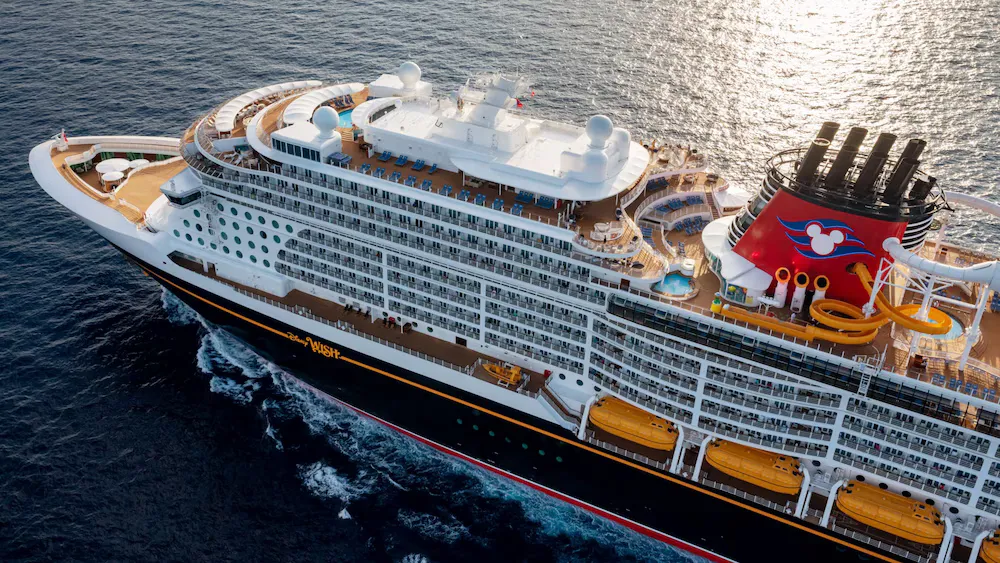
The difference is personality. Carnival is the party. The atmosphere is deliberately casual, unapologetically loud, and structured around fun as a core product rather than an afterthought. The Punchliner Comedy Club, deck parties, Family Feud game shows, the BOLT roller coaster, and a waterpark on every ship create an environment where entertainment is constant and participation is expected. The dining programme leans into celebrity-branded casual concepts — Guy Fieri’s Guy’s Burgers, Shaq’s Big Chicken, Emeril Lagasse’s bistro — that deliver genuinely good food at no extra charge. Carnival carries more children than any other line, and the atmosphere reflects it: this is a floating theme park where the pool deck is the main event.
Royal Caribbean is the innovator. Where Carnival builds fun ships, Royal Caribbean builds ships that redefine what a ship can be. Icon of the Seas, the largest passenger vessel ever constructed, features eight distinct neighbourhoods, the largest waterpark at sea, a surf simulator, an ice-skating rink, a zip line, rock climbing walls, and a Central Park-style garden — open to the sky, seven decks above the waterline. The entertainment is more polished, with Broadway-calibre productions and a wider range of activities that extend beyond the pool deck. The family programming through Adventure Ocean is the industry benchmark. The atmosphere is energetic but slightly more composed than Carnival — less frat party, more family resort.
For Australian travellers, both lines offer seasonal domestic departures, making this comparison unusually practical. You can sail either line without leaving the country — a luxury not available with most of the cruise lines in our comparison series.
What is actually included
Both lines operate on a similar base-fare model where the cabin, main dining room meals, buffet, room service, and basic entertainment are included, with nearly everything else charged as an extra. The details of what sits on each side of that line differ enough to affect the total holiday cost meaningfully.
Carnival’s base fare includes the main dining room, Lido Marketplace buffet, complimentary casual venues (Guy’s Burgers, BlueIguana Cantina, Shaq’s Big Chicken on Excel-class ships, the poolside pizzeria, and the deli), basic room service, pool and waterpark access, fitness centre, stage shows, and the comedy club. The Cheers! beverage package runs approximately USD $60 to $70 per person per day and covers beer, wine, cocktails, and soft drinks. Wi-Fi packages start from around USD $13 per day. Specialty dining venues — Fahrenheit 555 steakhouse, Ji Ji Asian Kitchen, Cucina del Capitano — are charged per visit, typically USD $25 to $45 per person. Gratuities are automatically added at USD $16 per person per day for standard cabins, USD $18 for suites.
Royal Caribbean’s base fare covers similar ground: the main dining room, Windjammer buffet, basic room service, pool deck, entertainment, and fitness centre. Royal Caribbean has moved toward bundled pricing with packages like the Royal Refreshment package (non-alcoholic beverages) and the Deluxe Beverage Package at approximately USD $65 to $80 per person per day. The Surf and Stream Wi-Fi package runs from USD $16 per day. Specialty restaurants — Chops Grille, Izumi, Wonderland, 150 Central Park — charge USD $30 to $65 per person. Automatic gratuities are USD $16 per person per day for standard cabins, rising to USD $18.50 for suites.
The meaningful distinction is in complimentary casual dining. Carnival includes more no-charge food outlets — Guy’s Burgers alone serves millions of burgers annually and is genuinely excellent for a complimentary venue. Royal Caribbean offers fewer complimentary casual options but provides broader specialty dining variety. For Australian families watching the onboard spend, Carnival’s complimentary dining breadth delivers more value before any add-on purchases.
Dining and culinary experience
Neither line will challenge the premium or luxury cruise segments on culinary sophistication, but both have invested heavily in elevating their food programmes beyond the buffet-and-dining-room baseline — and they have taken different paths to get there.
Carnival’s dining strategy is celebrity-branded casual excellence. Guy Fieri’s Guy’s Burgers is available on every ship and is routinely cited as the best complimentary burger at sea. Shaq’s Big Chicken serves fried chicken sandwiches and sides on Excel-class ships. The BlueIguana Cantina does fresh-made burritos and tacos. Emeril Lagasse’s Emeril’s Bistro 1396-2 and the Chibang! Chinese-Mexican fusion concept add variety on newer vessels. The main dining room offers a rotating multi-course menu with surprisingly decent quality for the price point — the Indian butter chicken and the warm chocolate melting cake are passenger favourites across the fleet. Specialty restaurants including Fahrenheit 555 steakhouse, Bonsai Sushi, and Ji Ji Asian Kitchen are well-regarded without being revelatory.
Royal Caribbean’s dining programme is broader and more ambitious in its specialty segment. Chops Grille is one of the better steakhouses at sea in the mainstream category. Izumi serves credible Japanese cuisine with a sushi bar and teppanyaki grill. Wonderland, the whimsical molecular-gastronomy restaurant on Quantum and Icon-class ships, is genuinely creative — dishes arrive under smoke-filled cloches with colour-changing sauces. The main dining room has improved notably across the fleet, and the Windjammer buffet, while massive, is well-organised with live cooking stations. On Icon of the Seas, the dining count exceeds 40 venues across eight neighbourhoods.
For Australian palates, neither line offers significant local menu adaptation beyond the usual international buffet spread. Both lines serve reasonable coffee by American cruise standards, though neither matches what Australians expect from a flat white. Bringing your own coffee pods or seeking out the specialty coffee bars (Carnival’s JavaBlue Cafe, Royal Caribbean’s Cafe Promenade) is the practical workaround.
Suites and accommodation
Both lines offer accommodation ranging from tight inside cabins to expansive suites, and both have developed suite-exclusive programmes that create a premium tier within the mainstream ship. The approaches differ in scale and ambition.
Carnival’s accommodation spans inside cabins (around 185 square feet), ocean-view cabins, balcony cabins (approximately 185 square feet plus a 35-square-foot balcony), and suites. The Excel-class ships introduced the Loft 19 concept — a suite-exclusive sundeck with private cabanas, a dedicated bar, and premium service. Excel-class suites include the Carnival Excel Presidential Suite at approximately 1,120 square feet, the largest in the fleet. Across the broader fleet, suite amenities include priority embarkation, a dedicated dining time, and upgraded bathroom amenities. The older Fantasy and Spirit-class ships carry compact cabins that feel dated compared to the newer vessels — fleet consistency is a weakness Carnival is addressing ship by ship.
Royal Caribbean’s suite programme is more developed. The Royal Suite Class on Oasis, Quantum, and Icon-class ships offers three tiers — Sea Class, Sky Class, and Star Class — with escalating benefits. Star Class suites include a dedicated Royal Genie (personal concierge), access to the Suite Lounge, priority everything, complimentary specialty dining, and the Ultimate Family Suite with a slide from the kids’ bedroom to the living room. Icon of the Seas’ suites include the four-bedroom Ultimate Family Townhouse spanning three decks. The breadth of suite categories — from Junior Suites to the Presidential Suite — gives Royal Caribbean a significant edge in premium accommodation variety.
For Australian travellers booking suites, Royal Caribbean’s Star Class represents the most comprehensive suite programme in mainstream cruising, with benefits that approach premium-line service levels. Carnival’s Loft 19 is a newer concept still expanding across the fleet but delivers a genuine adults-only retreat within the fun-ship environment.
Pricing and value
This is where the comparison becomes most consequential for Australian families, because the per-night price difference between these lines funds the add-ons that shape the actual holiday experience.
Carnival is cheaper. A seven-night Caribbean cruise in a balcony cabin starts from approximately AUD $1,000 to $1,400 per person on Carnival versus AUD $1,300 to $1,800 on Royal Caribbean for comparable dates and itineraries. Shorter three- and four-night getaways on Carnival can drop below AUD $500 per person total. The gap is consistent across seasons and itineraries, making Carnival the default recommendation for budget-conscious first-timers. Australian seasonal deployments — Carnival Luminosa from Brisbane and Melbourne — start from roughly AUD $800 to $1,200 per person for shorter South Pacific itineraries.
Royal Caribbean commands a premium that reflects the onboard product investment. A seven-night Eastern Caribbean on Icon of the Seas starts from approximately AUD $2,200 per person in a balcony cabin — significantly above Carnival’s equivalent. Oasis-class ships offer better value within Royal Caribbean’s fleet, with seven-night sailings from roughly AUD $1,400 to $1,800 per person. Australian seasonal sailings on Ovation of the Seas or Quantum of the Seas price from approximately AUD $1,100 to $1,600 per person for South Pacific and New Zealand itineraries.
Total cost matters more than fare. Adding the beverage package, Wi-Fi, specialty dining, and excursions to both lines’ base fares typically adds AUD $1,500 to $2,500 per person for a seven-night voyage. The percentage difference between the lines narrows when total spend is calculated — Carnival’s lower fare leaves more budget for onboard extras, while Royal Caribbean’s higher fare buys more onboard infrastructure and entertainment variety. For a family of four on a seven-night Caribbean cruise, the total-cost difference between the lines is typically AUD $1,500 to $3,000 — meaningful, but not transformative.
Spa and wellness
Both lines operate spa facilities through third-party operators, and both have expanded their wellness offerings on newer ships — though neither line is a wellness-focused cruise experience.
Carnival’s Cloud 9 Spa is available across the fleet, with the most comprehensive facilities on Excel-class ships. Services include thermal suites with heated loungers, thalassotherapy pools, dry saunas, and steam rooms, alongside standard massage, facial, and body treatment menus. Cloud 9 Spa staterooms and suites offer priority spa access, unlimited thermal suite use, and in-room spa amenities — a genuinely appealing option for spa enthusiasts travelling on a mainstream line. The Serenity Adult-Only Retreat provides a quieter pool and sundeck area away from the family zones — not a spa per se, but a wellness-adjacent space that adult travellers consistently rate as a highlight.
Royal Caribbean’s Vitality Spa similarly operates across the fleet with expanded facilities on newer ships. Icon of the Seas features one of the largest spas at sea, with a comprehensive thermal suite, cryotherapy chamber, and salt room. Fitness centres are substantial, with group classes including yoga, Pilates, and spinning. The Solarium — an adults-only pool area with retractable roof, hot tubs, and a quieter atmosphere — serves the same function as Carnival’s Serenity, and on Oasis and Icon-class ships, the Solarium is genuinely impressive in scale and design.
Neither line’s spa will satisfy travellers whose primary motivation is wellness — for that, look to Oceania, Seabourn, or the dedicated wellness programmes on smaller ships. But for mainstream cruisers who want a massage, a quiet adult retreat, and decent fitness facilities between the waterslides and comedy shows, both lines deliver adequately. Royal Caribbean’s larger ships simply have more spa space, which translates to easier booking and less crowding.
Entertainment and enrichment
Entertainment is where both lines invest most heavily, and where the differences in personality are most visible. These are not ships with enrichment lecturers and string quartets — these are floating entertainment complexes.
Carnival’s entertainment centres on participation and social energy. The Punchliner Comedy Club runs multiple nightly shows — family-friendly early, adults-only late — and is consistently cited as the best comedy programme at sea. Game shows including Family Feud Live and Deal or No Deal fill the main theatre on non-show nights. The Playlist Productions stage shows are competent without being Broadway-calibre. Deck parties with DJs, the Carnival WaterWorks waterparks, mini golf, the SkyRide suspended bike course, and on Excel-class ships the BOLT roller coaster provide daytime entertainment. The Carnival Hub app gamifies the experience with trivia and interactive challenges. The atmosphere encourages strangers to become friends — the poolside bar is the social hub where the cruise community forms.
Royal Caribbean’s entertainment is more polished and varied. Broadway shows — Cats, Grease, Hairspray — are staged with professional casts on Oasis and Icon-class ships. The AquaTheater open-air performance venue combines high diving, synchronised swimming, and aerial acrobatics. Ice skating shows in the onboard rink are unique to Royal Caribbean. FlowRider surf simulators, rock climbing walls, zip lines (on Oasis-class), the North Star observation pod (Quantum-class), and the extensive waterparks provide activities that no other mainstream line matches in variety. The entertainment breadth extends to trivia, karaoke, dance classes, and poolside events, but the production values sit a notch above Carnival’s equivalent.
For Australian families, Royal Caribbean offers more variety per ship — particularly on the larger vessels. Carnival offers more social energy and audience participation — the atmosphere is livelier if you enjoy being part of the show rather than watching it. Neither line offers significant cultural enrichment, guest lecturers, or destination-focused programming — that is not what these ships are built for.
Fleet and destination coverage
Both lines operate 29-ship fleets with global reach, but the deployment patterns differ in ways that matter for Australian travellers planning their next cruise.
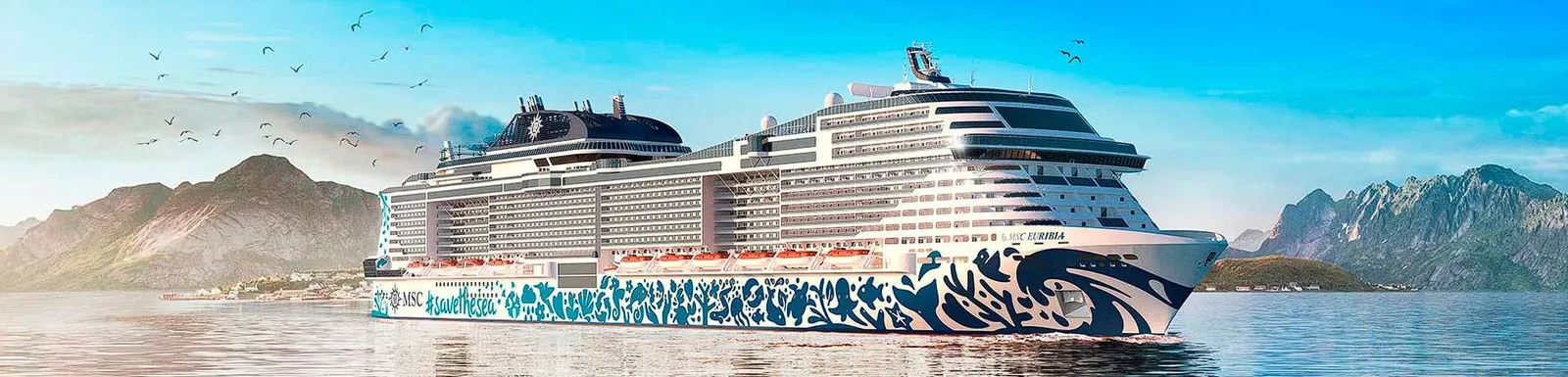
Carnival’s fleet of 29 ships spans multiple classes from the older Fantasy-class vessels (around 70,000 gross tonnes) to the newest Excel-class ships (180,000 gross tonnes). The fleet is heavily deployed in the Caribbean and Mexico, sailing from more US homeports than any competitor — Miami, Port Canaveral, Galveston, New Orleans, Jacksonville, Baltimore, New York, Long Beach, Seattle, and more. Mediterranean, Alaska, and Hawaiian deployments round out the programme. For Australian waters, Carnival deploys Carnival Luminosa seasonally from Brisbane and Melbourne for South Pacific and New Zealand itineraries. The private destinations — Celebration Key (opening 2025), Half Moon Cay, and the renamed Isla Tropicale in Honduras — are Caribbean-exclusive.
Royal Caribbean’s fleet ranges from the older Vision-class ships to the record-breaking Icon class. The destination footprint is broader than Carnival’s, with established programmes in the Caribbean, Mediterranean, Alaska, Northern Europe, the Middle East, and the South Pacific. Crucially for Australians, Royal Caribbean has a stronger and longer-established seasonal Australian deployment, typically positioning Ovation of the Seas or Quantum of the Seas in Sydney for the southern hemisphere summer season. These Quantum-class ships — at approximately 168,000 gross tonnes carrying around 4,100 guests — are among the largest ships to visit Australian waters. Perfect Day at CocoCay in the Bahamas is Royal Caribbean’s private island destination.
The Australian deployment difference is notable. Royal Caribbean treats Australia as a strategic market with consistent seasonal deployment of large, modern ships and a well-established local sales operation. Carnival’s Australian presence through Carnival Luminosa is more modest — a single mid-size ship — though the brand awareness from P&O Cruises Australia (now absorbed into Carnival Cruise Line) gives Carnival significant market recognition. For Australians wanting to cruise from home ports, Royal Caribbean currently offers the larger and newer ship.
Where each line excels
Carnival excels in:
- Value for money. Consistently the cheapest mainstream cruise per night, with complimentary casual dining from Guy’s Burgers, Shaq’s Big Chicken, and BlueIguana Cantina that reduces the need for paid specialty restaurants. For families watching the budget, Carnival stretches dollars further than any major competitor.
- Social atmosphere. The fun-ship culture creates an environment where strangers bond quickly — the poolside bar, comedy shows, and deck parties foster a communal energy that Royal Caribbean’s more structured entertainment does not replicate as naturally.
- Comedy programming. The Punchliner Comedy Club is the best dedicated comedy venue at sea, with multiple nightly shows that attract a loyal following of repeat cruisers.
- Casual dining quality. Guy’s Burgers, available fleet-wide and complimentary, is genuinely excellent. The Excel-class ships add Shaq’s Big Chicken and Emeril’s bistro — celebrity-branded venues that outperform expectations.
- Short cruise accessibility. Three- and four-night getaways from US Gulf and East Coast ports start under AUD $500 per person, making Carnival the lowest-cost entry point into cruising.
Royal Caribbean excels in:
- Ship innovation. Icon of the Seas is the most ambitious cruise ship ever built. The onboard variety — eight neighbourhoods, 40-plus dining venues, the largest waterpark at sea, an ice rink, surf simulators, rock walls, zip lines — is unmatched in the industry.
- Family programming. Adventure Ocean provides supervised activities from age six months through teens, with dedicated spaces, professional staff, and programming that keeps children engaged all day. The Ultimate Family Suite with a slide inside the cabin is a statement of commitment to families that no competitor has matched.
- Broadway-calibre entertainment. Professional productions of Cats, Grease, Hairspray, and original shows staged with full casts on Oasis and Icon-class ships. The AquaTheater combines diving, acrobatics, and water effects in a setting unique to cruising.
- Australian seasonal programme. Quantum-class ships deployed from Sydney offer a scale and modernity of vessel that Carnival’s Australian deployment does not currently match.
- Private island experience. Perfect Day at CocoCay features Thrill Waterpark, a helium balloon ride, overwater cabanas, and a freshwater pool — a more developed private destination than any in Carnival’s portfolio.
Standout itineraries for Australian travellers
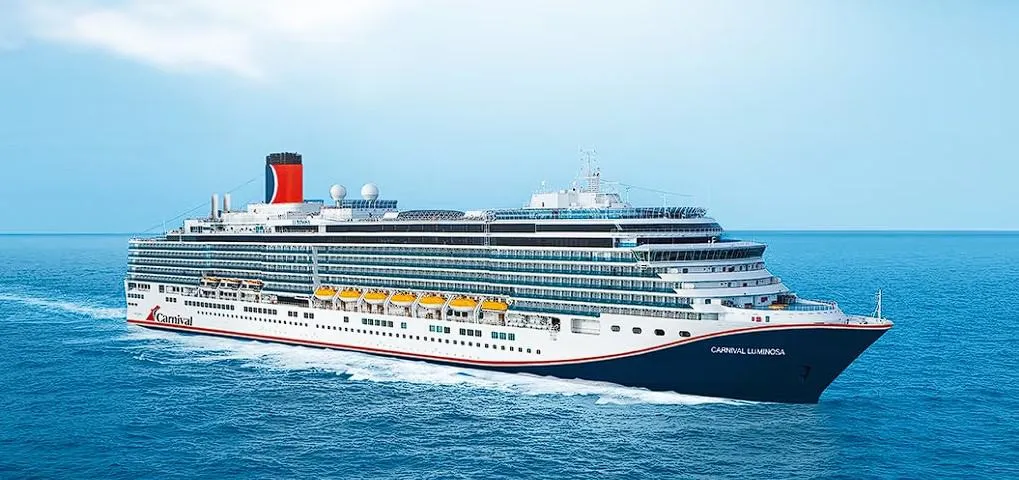
Carnival Luminosa: South Pacific from Brisbane or Melbourne (7 to 10 nights, seasonal) — Carnival’s Australian deployment offers accessible cruising from two eastern seaboard homeports without the need for international flights. Itineraries cover New Caledonia, Vanuatu, and occasionally New Zealand. At 92,000 gross tonnes and carrying approximately 2,260 guests, Luminosa is a mid-size ship offering a more intimate Carnival experience than the mega-ships in the Caribbean. Pricing starts from roughly AUD $800 per person for shorter sailings — excellent value for a domestic-departure cruise.
Carnival Jubilee: Western Caribbean from Galveston (7 nights, year-round) — The newest Excel-class ship sailing weekly from Texas with calls at Cozumel, Costa Maya, and Celebration Key. The BOLT roller coaster, themed zones, Guy’s Burgers, Shaq’s Big Chicken, and Loft 19 suite sundeck are all here. For Australians visiting the US, a pre- or post-cruise week in Texas adds an accessible domestic flight from any US gateway. Fares start from approximately AUD $1,200 per person in a balcony cabin.
Royal Caribbean Ovation of the Seas: New Zealand from Sydney (10 to 12 nights, seasonal December to March) — Royal Caribbean’s flagship Australian deployment. Ovation carries the North Star observation pod, FlowRider surf simulator, skydiving simulator, and the full Royal Caribbean entertainment programme. New Zealand itineraries visit Milford Sound (scenic cruising), Dunedin, Wellington, Napier, and Bay of Islands. Sailing from Sydney eliminates international flights entirely. Fares from approximately AUD $1,400 per person in a balcony cabin.
Royal Caribbean Icon of the Seas: Eastern Caribbean from Miami (7 nights, year-round) — The largest ship ever built, with Perfect Day at CocoCay included on most itineraries. This is the bucket-list Royal Caribbean experience — the ship that changed the industry. For Australians, fly into Miami via Los Angeles, Dallas, or San Francisco. Seven-night fares from approximately AUD $2,200 per person in a balcony cabin.
Ship-by-ship recommendations
Carnival
Carnival Jubilee or Carnival Celebration (Excel class, 180,000 GT, approximately 5,200 guests) — The flagships. Themed zones, BOLT roller coaster, Loft 19 suite sundeck, Guy’s Burgers, Shaq’s Big Chicken, Emeril’s bistro. These ships represent a genuine generational leap from Carnival’s older fleet. Choose Jubilee for Western Caribbean from Galveston, Celebration for Eastern Caribbean from Miami.
Carnival Luminosa (92,000 GT, approximately 2,260 guests) — The Australian deployment ship. A mid-size vessel from the Spirit class lineage that delivers the core Carnival experience — comedy club, waterslides, casino, main dining room — at a more intimate scale. Not as feature-rich as the Excel-class ships, but well-suited to shorter South Pacific sailings and an excellent introduction to the brand for Australian first-timers.
Mardi Gras (Excel class, 180,000 GT, approximately 5,200 guests) — The original Excel-class ship that introduced BOLT and the zone concept. Sails from Port Canaveral, making it convenient for Australians visiting Walt Disney World or Universal Orlando before or after the cruise. The Chibang! Chinese-Mexican restaurant is unique to this ship.
Royal Caribbean
Icon of the Seas (250,800 GT, over 5,000 guests) — The record-breaker. Eight neighbourhoods, the largest waterpark at sea, 40-plus dining venues, and the most ambitious cruise ship ever conceived. Not for travellers seeking intimacy — this is maximum variety and maximum scale. Choose for the bucket-list experience and pair with a Miami stay.
Ovation of the Seas (168,000 GT, approximately 4,100 guests) — The Australian seasonal deployment ship. North Star observation pod, FlowRider, skydiving simulator, bionic bar, and full Adventure Ocean programming. The best Royal Caribbean ship accessible from Australian ports without flying internationally. Choose for New Zealand and South Pacific itineraries from Sydney.
Symphony of the Seas or Allure of the Seas (Oasis class, approximately 225,000 GT, 5,400 guests) — The Oasis-class sweet spot. Central Park, Boardwalk, AquaTheater, zip line, Broadway shows, and more dining options than most small cities. Slightly older than Icon but still spectacular, and often available at lower per-night rates. Choose for Caribbean from US East Coast ports.
For Australian travellers specifically
Both lines are accessible from Australia in ways that most cruise lines in this comparison series are not — and understanding the practical differences in their Australian presence helps narrow the choice.
Royal Caribbean’s Australian operation is the more established of the two. The line deploys Quantum-class ships (Ovation of the Seas or Quantum of the Seas) from Sydney for the southern hemisphere summer season, typically November through March, with itineraries covering New Zealand, the South Pacific, and Australian coastal voyages. Royal Caribbean has a dedicated Australian website with AUD pricing, a local sales team, and strong relationships with Australian travel agents. The ships deployed to Australia are large, modern, and feature-rich — representing the brand well. For Australian families, the ability to board a 168,000-tonne ship with FlowRider, North Star, and Broadway shows in Sydney Harbour is a compelling proposition that no other mainstream line matches.
Carnival’s Australian presence has a complex history. P&O Cruises Australia, which was the dominant cruise brand in the Australian market for decades, was absorbed into Carnival Cruise Line in 2024-2025. Carnival now deploys Carnival Luminosa from Brisbane and Melbourne for seasonal South Pacific and New Zealand sailings. The ship is smaller and less feature-rich than Royal Caribbean’s Australian deployment, but the brand carries significant Australian market awareness through the P&O legacy. Pricing is competitive, and the shorter sailings from two homeports offer flexibility.
For fly-cruise holidays from Australia, both lines’ Caribbean programmes require flights through the United States — typically 18 to 24 hours each way via Los Angeles, Dallas, San Francisco, or Honolulu. Carnival’s wider range of US homeports (Galveston, New Orleans, Jacksonville, Baltimore) can offer airfare savings versus Miami-only departures, though the additional domestic US connection adds transit time. Royal Caribbean’s Mediterranean and Northern European sailings depart from Barcelona, Rome, Southampton, and Copenhagen — all accessible from Australian gateways via Middle Eastern or Asian hubs.
Loyalty programme considerations matter for repeat cruisers. Carnival’s VIFP Club offers tier benefits including priority embarkation, suite upgrades, and behind-the-scenes tours as you accumulate cruise days. Royal Caribbean’s Crown and Anchor Society provides similar tier progression with benefits including onboard credits, balcony discounts, and complimentary drinks at Diamond level and above. Neither programme is dominant — both reward loyalty meaningfully at higher tiers.
The onboard atmosphere
The atmosphere difference between these lines is the single most important factor in choosing correctly — and it is the hardest to convey through specifications and features. Both are mainstream, casual, family-oriented, and energetic. But the energy operates on a different frequency.
Carnival’s atmosphere is the pool party. The dress code is “resort casual” and genuinely means it — board shorts, singlets, and thongs are normal attire across the ship outside the main dining room. The music is louder, the drinks are larger, the laughter is more frequent, and the social barriers are lower. The demographic skews younger than Royal Caribbean on comparable sailings, with more groups of friends, more first-timers, and a higher proportion of passengers from the American South and Midwest. The vibe is egalitarian and unpretentious — nobody is performing sophistication, and the result is a holiday atmosphere where fun is the explicit objective. For Australians, the culture translates well — the irreverence and lack of pretension feel familiar, even if the accents are different.
Royal Caribbean’s atmosphere is the family resort. The energy is high but more distributed across a larger ship with more distinct spaces. It is possible to find quiet corners on an Oasis or Icon-class ship — the Central Park garden, the Solarium, a corner of the Promenade — in a way that Carnival’s more compact party atmosphere does not always allow. The demographic is broader, with more families, more international guests, and slightly more age diversity. The entertainment is more curated, the staff interactions are more scripted, and the overall feeling is of a well-managed resort rather than a spontaneous party. Neither atmosphere is superior — they serve different preferences.
For couples without children, Carnival’s Serenity Adult-Only Retreat and Royal Caribbean’s Solarium both provide adult escapes from the family zones. Carnival’s Serenity is more modest in scale; Royal Caribbean’s Solarium on newer ships is a genuinely appealing space. Couples seeking a primarily adult atmosphere on either line should consider sailing outside school holiday periods, when the family density drops noticeably on both brands.
The bottom line
Carnival and Royal Caribbean are not interchangeable — and the mistake most first-time cruisers make is choosing on price alone. Carnival is cheaper, and for budget-conscious families and groups, that price difference funds meals, experiences, and memories ashore. But Royal Caribbean delivers a broader, more polished onboard experience with ships that push the boundaries of engineering and entertainment. The right choice depends entirely on what you value most.
Choose Carnival for the best per-night value in mainstream cruising. Choose it for the fun-ship atmosphere where strangers become friends over poolside cocktails and comedy shows. Choose it for Guy’s Burgers, Shaq’s Big Chicken, and complimentary casual dining that reduces the onboard spend before you even think about specialty restaurants. Choose it for shorter, cheaper getaways that make cruising accessible to families who thought they could not afford it. Choose it for Carnival Luminosa from Brisbane and Melbourne if you want a domestic-departure cruise at an honest price. Accept that the older ships in the fleet feel dated, that the entertainment is participatory rather than polished, and that the atmosphere is louder and more boisterous than some travellers prefer.
Choose Royal Caribbean for the most innovative ships afloat. Choose it for Icon of the Seas, the ship that redefined what cruising can be, and for the Oasis-class vessels that remain spectacular years after launch. Choose it for Adventure Ocean and the best family programming in the mainstream segment. Choose it for Broadway shows, FlowRider surf simulators, rock climbing walls, and the North Star observation pod. Choose it for Ovation of the Seas from Sydney — the largest and most feature-rich ship regularly deployed to Australian waters. Accept the price premium, accept that the atmosphere is managed rather than spontaneous, and accept that the sheer scale of the largest ships can feel overwhelming on the first day.
For many Australian families, the practical choice comes down to whether you want to cruise from home or fly to the ship. If you want to board in Australia, both lines offer seasonal departures — Royal Caribbean from Sydney with a larger, newer ship, Carnival from Brisbane and Melbourne at a lower price point. If you are planning a fly-cruise Caribbean holiday, both lines deliver exceptional value from US homeports, with Carnival cheaper per night and Royal Caribbean richer per experience. Either way, you are choosing between the two best mainstream cruise lines in the world — and neither choice is wrong.