Carnival and Disney are sister lines under the Carnival Corporation umbrella, both built for families — but the similarity ends at the corporate parent. One is the world's largest cruise line offering budget-friendly fun, the other delivers a premium family experience wrapped in Disney storytelling. Jake Hower explains which delivers better value for Australian families flying to the ship.
| Carnival Cruise Line | Disney Cruise Line | |
|---|---|---|
| Category | Mainstream | Mainstream |
| Rating | ★★★★☆ | ★★★★☆ |
| Fleet size | 29 ships | 7 ships |
| Ship size | Large (2,500-4,000) | Large (2,000–4,000) |
| Destinations | Caribbean, Mexico, Alaska, Mediterranean | Caribbean, Alaska, Mediterranean, Northern Europe |
| Dress code | Resort casual | Cruise casual |
| Best for | Budget-friendly fun-seeking families | Families seeking Disney magic at sea |
Carnival delivers outstanding value with complimentary casual dining, the Punchliner Comedy Club, waterparks, and the BOLT roller coaster — at per-night rates roughly half what Disney charges. Disney counters with the rotational dining concept, Broadway-calibre original shows, the best kids' clubs at sea, two private Bahamas islands, and an attention to detail that justifies the premium for families who value polish over price. For budget-conscious Australian families wanting maximum fun per dollar, choose Carnival. For the once-in-a-lifetime family cruise where quality matters more than cost, choose Disney. Both are fly-cruise propositions from Australia, with Disney Adventure from Singapore offering the closest departure point.
The core difference
Carnival Cruise Line and Disney Cruise Line sit under the same corporate roof — Carnival Corporation and plc — but share almost nothing in philosophy, pricing, or onboard experience. This is a comparison between the world’s largest cruise line by passenger volume, carrying over a million children per year on 29 ships, and a seven-ship fleet where every detail has been designed by the same creative team that builds the world’s most beloved theme parks. Understanding what each line actually delivers, rather than what the brand name suggests, is essential for Australian families planning what is typically a significant fly-cruise investment.
Carnival is accessible fun. The brand exists to make cruising affordable for families who might otherwise never consider it. The atmosphere is casual, loud, festive, and structured around entertainment that costs nothing extra — the Punchliner Comedy Club, waterparks, the BOLT roller coaster on Excel-class ships, game shows, deck parties, and celebrity-branded casual dining from Guy Fieri and Shaq. The ships are big, the passenger counts are high, and the price point is the lowest in mainstream cruising. Carnival does not pretend to be refined — it promises fun, and it delivers.
Disney is storytelling at sea. Every element of the Disney cruise experience has been designed with the same obsessive attention to detail that characterises the theme parks. The rotational dining concept — where your serving team follows you through three uniquely themed restaurants each evening — is unique in cruising. Broadway-calibre original productions (Frozen, Tangled, Aladdin, and the new Hercules on Disney Destiny) are staged with full casts, original scores, and production values that exceed most land-based theatres. The kids’ clubs are the industry benchmark. The private island destinations — Castaway Cay and Lookout Cay at Lighthouse Point — are developed to Disney theme-park standards. And the ships themselves are designed with an elegance that belies their mainstream positioning: Art Deco-inspired atriums, classic ocean liner silhouettes, and a level of cleanliness and maintenance that is genuinely noticeable.
For Australian families, both lines require international flights — Carnival from US homeports, Disney from US or European ports, with the new Disney Adventure from Singapore offering the closest Disney departure point from Australian shores.
What is actually included
The base-fare models differ in ways that significantly affect the total holiday cost — and the comparison favours Carnival on paper but Disney in execution.
Carnival’s base fare includes the main dining room, Lido Marketplace buffet, all complimentary casual venues (Guy’s Burgers, BlueIguana Cantina, Shaq’s Big Chicken on Excel-class ships, the pizzeria, the deli), basic room service, pool and waterpark access, stage shows, the comedy club, and the fitness centre. Beverage packages, Wi-Fi, specialty dining, and shore excursions are all extra. The Cheers! drink package runs approximately USD $60 to $70 per person per day. Gratuities are USD $16 per person per day.
Disney’s base fare includes all dining — both the rotational dining restaurants and the buffet — room service, character meet-and-greet experiences, all stage shows and cinema screenings, kids’ club programming (ages three to seventeen), the AquaMouse or AquaDuck water coaster, pools, sports courts, and the fitness centre. What Disney notably does not include: alcoholic beverages (beer, wine, and cocktails are charged per drink), Wi-Fi (charged per device), adult premium dining at Palo Steakhouse and Enchante (surcharges of approximately USD $50 to $125 per person), spa treatments, and shore excursions. Gratuities are suggested at USD $14.50 per person per day — slightly lower than Carnival’s.
The key distinction is that Disney includes more premium experiences in the base fare — the Broadway-calibre shows, the rotational dining with dedicated serving staff, the kids’ club programming, and the character experiences are all covered. Carnival includes more food variety for free but charges for many experiences that Disney bundles in. For non-drinking families with children, Disney’s base-fare inclusions deliver substantial value. For adult groups who drink, Carnival’s lower fare plus a beverage package often totals less than Disney’s fare plus individual drink charges.
Dining and culinary experience
Dining is where these lines diverge most dramatically — not in quality but in concept and execution.
Carnival’s dining is built around casual excellence at no extra charge. Guy’s Burgers is on every ship and genuinely delivers one of the best burgers at sea. BlueIguana Cantina, Shaq’s Big Chicken, the pizza station, and the deli provide variety throughout the day without spending a cent beyond the fare. The main dining room offers a rotating multi-course menu — the warm chocolate melting cake is a fleet-wide favourite. Specialty restaurants (Fahrenheit 555, Bonsai Sushi, Ji Ji Asian Kitchen, Cucina del Capitano) charge USD $25 to $45 per person and are good without being exceptional. The buffet is large, varied, and functional.
Disney’s rotational dining is unique in the cruise industry and is worth understanding in detail. Each evening, guests rotate through three themed restaurants — and their serving team rotates with them. On Disney Wish, the three restaurants are Arendelle: A Frozen Dining Adventure (with live entertainment during dinner), Worlds of Marvel (with an interactive Avengers-themed experience), and 1923 (a classic California-inspired restaurant celebrating Disney’s animation heritage). By the second evening, your waiters know your children’s names, their food preferences, and their favourite characters. By the third, they are anticipating orders and adjusting service to your family’s rhythm. No other cruise line offers this combination of themed dining, service continuity, and family personalisation. Adult premium restaurants — Palo Steakhouse (approximately USD $50 per person) and Enchante by Chef Arnaud Lallement (approximately USD $125 per person) — are genuinely excellent and represent Disney’s investment in adult dining that goes well beyond the family-focused reputation.
For Australian families, Disney’s rotational dining is the superior family experience — the service continuity and themed restaurants create dining memories that children talk about for years. Carnival’s complimentary casual dining delivers more variety at no cost and is more practical for families with fussy eaters who want a burger, a burrito, or a pizza without sitting through a multi-course dinner. Neither line will challenge premium or luxury cruise dining on culinary merit — but Disney’s Enchante and Palo Steakhouse come surprisingly close.
Suites and accommodation
Both lines offer accommodation from inside cabins to premium suites, but the design philosophy and family-specific features differ notably.
Carnival’s accommodation follows the standard mainstream template: inside cabins (approximately 185 square feet), ocean-view, balcony (approximately 185 square feet plus 35-square-foot balcony), and suites. Excel-class ships introduced Loft 19, a suite-exclusive sundeck with private cabanas. Family accommodation on Carnival relies primarily on connecting cabins and larger family ocean-view rooms. The upcoming Carnival Festivale (2027) promises 1,000 interconnecting family cabins — a significant investment in family accommodation.
Disney’s accommodation is purpose-designed for families from the ground up. Every category includes innovative features: the signature split-bathroom design (one half with toilet and sink, the other with bathtub/shower and sink) allows two family members to get ready simultaneously — a small detail that eliminates morning bottlenecks. Verandah staterooms on Wish-class ships run approximately 250 to 300 square feet. Disney’s suite categories include Concierge-level staterooms with a dedicated lounge, private sun deck, and priority access to dining reservations, character experiences, and shore excursion booking. The Royal Suite on Disney Wish spans over 1,200 square feet with a separate kids’ bedroom themed to Disney stories.
For Australian families, Disney’s split-bathroom design and family-first cabin layout genuinely improve the daily experience — especially on longer sailings where cabin time increases. Carnival’s standard cabins are smaller and more basic but cost significantly less per night, leaving more budget for excursions and onboard extras. Families planning a once-in-a-lifetime cruise should note that Disney’s Concierge level provides a suite-class experience that Carnival’s Loft 19 does not yet fully replicate in terms of dedicated family-oriented luxury service.
Pricing and value
The pricing gap between these lines is the elephant in the room — and it is substantial enough to fund an entirely different holiday.
Carnival is dramatically cheaper. A seven-night Eastern Caribbean cruise in a balcony cabin starts from approximately AUD $1,000 to $1,400 per person on Carnival. The equivalent sailing on Disney starts from approximately AUD $2,500 to $4,000 per person. That is not a marginal difference — it is a 100 to 200 per cent premium. For a family of four in balcony cabins, the fare difference alone can exceed AUD $8,000 to $12,000. Carnival’s shorter three- and four-night getaways can drop below AUD $500 per person total — a price point Disney does not approach.
Disney’s premium reflects a premium product. The Broadway-calibre shows, rotational dining with dedicated serving staff, the Oceaneer Club kids’ programming, character experiences, the private island destinations, and the ship maintenance and design standards all cost money to deliver. Disney also charges what the market will bear — demand consistently exceeds supply, particularly during school holiday periods when Disney ships sell out months in advance.
For Australian families, the flight cost (AUD $1,500 to $3,500 per person return to US East Coast ports, or approximately AUD $600 to $1,200 to Singapore for Disney Adventure) equalises a portion of the comparison. When flights are added to the fare, a family-of-four Carnival Caribbean cruise totals roughly AUD $16,000 to $22,000 all-in, while a comparable Disney cruise totals AUD $24,000 to $36,000. The difference remains substantial — but at these investment levels, the question becomes whether the Disney premium delivers proportional value. For many families, the once-in-a-lifetime nature of the trip justifies the premium. For families who cruise annually or budget more tightly, Carnival’s value is compelling.
Spa and wellness
Spa and wellness offerings differ primarily in atmosphere and adult-exclusive design rather than in the treatments themselves.
Carnival’s Cloud 9 Spa operates across the fleet with thermal suites, thalassotherapy pools, saunas, and standard treatment menus. Cloud 9 Spa staterooms include priority spa access. The Serenity Adult-Only Retreat provides a quiet pool and sundeck away from the family zones — complimentary for all adult guests and consistently rated as a highlight by adults-only travellers on Carnival.
Disney’s Senses Spa is Disney’s adult escape — a tranquil retreat designed to counterbalance the family energy elsewhere on the ship. Treatment rooms are themed with subtle Disney artistry, the rainforest room features heated tile loungers and aromatherapy showers, and the overall design philosophy emphasises calm and sophistication. The adult-only pool area (Quiet Cove Pool), adults-only dining at Palo and Enchante, and the adult nightlife district create a suite of grown-up spaces that Disney has invested in significantly across the Wish-class ships.
Neither line’s spa is a destination unto itself — but Disney’s adult spaces are notably more refined in design, while Carnival’s Serenity retreat is larger and more accessible as a complimentary offering. For Australian parents wanting to decompress while children are in the kids’ club, both lines deliver — Disney with more polish, Carnival with less formality.
Entertainment and enrichment
Entertainment is Disney’s single greatest strength and the area where the premium pricing is most clearly justified.
Carnival’s entertainment is participatory and social. The Punchliner Comedy Club is the best dedicated comedy venue at sea, with multiple nightly shows. Game shows (Family Feud Live, Deal or No Deal), deck parties, the BOLT roller coaster, SkyRide, waterparks, and poolside DJs fill the day and evening programme. The stage shows (Playlist Productions) are competent but not exceptional by Broadway standards. The entertainment strategy is breadth and energy — there is always something happening, always somewhere to go, always a game to join.
Disney’s entertainment is purpose-built, original, and of a quality that no other cruise line matches. Broadway-calibre stage productions are created exclusively for Disney Cruise Line: Frozen — A Musical Spectacular, Tangled: The Musical, Disney’s Aladdin — A Musical Spectacular, and the brand-new The Wonderful World of Hercules debuting on Disney Destiny. These are not touring company reproductions — they are original productions with full orchestras, elaborate sets, and professional casts. First-run and classic Disney films screen in dedicated cinemas. Character experiences — deck parties with fireworks, character breakfasts, meet-and-greets — are woven throughout the voyage. The AquaMouse (Wish-class) is a water coaster with Disney-themed audio and visual effects inside enclosed tubes. Pirate Night, with a deck party and fireworks, is a fleet-wide highlight that families cite as a signature memory.
For Australian families with children under twelve, Disney’s entertainment is transformative — children who love Disney characters and stories will experience a level of immersion that Carnival cannot replicate. For teenagers and adults without a strong Disney connection, Carnival’s broader entertainment — particularly the comedy club — may prove more engaging. The question is whether your family’s primary entertainment motivation is Disney-specific magic or general holiday fun.
Fleet and destination coverage
The fleet size difference is dramatic: 29 Carnival ships versus seven Disney ships. The implications extend beyond mere availability to itinerary range, booking flexibility, and ship variety.
Carnival’s 29 ships span multiple classes and generations, sailing from more US homeports than any competitor. The Caribbean, Mexico, Alaska, the Mediterranean, and the Australian seasonal deployment from Brisbane and Melbourne provide broad geographic coverage. The newest Excel-class ships (Mardi Gras, Celebration, Jubilee) are dramatically more impressive than the older fleet, creating a wide quality range across the brand. Private destinations include Celebration Key, Half Moon Cay, and Isla Tropicale.
Disney’s seven ships — Magic, Wonder, Dream, Fantasy, Wish, Treasure, and Destiny — sail primarily from Port Canaveral, Miami, and seasonally from Barcelona, Southampton, and other European ports. Disney Adventure, the newest vessel, begins sailing from Singapore in March 2026 — a significant development for Australian travellers. The fleet is purpose-built and purpose-maintained: every ship is immaculately kept, and the quality consistency across the fleet is higher than Carnival’s wider range. Two private Bahamas destinations — Castaway Cay (a guest favourite since 1998) and Lookout Cay at Lighthouse Point (opened June 2024) — are developed to Disney theme-park standards with pristine beaches, character experiences, and family-friendly water sports.
For Australian travellers, Disney Adventure from Singapore is the most significant development in this comparison. An eight-hour flight from Sydney or Melbourne, Singapore is dramatically more accessible than US East Coast ports. The ship is purpose-designed for the Asian market with unique attractions and dining venues. For Australian families wanting the Disney cruise experience without the 20-plus-hour transit to Florida, Singapore represents a genuine game-changer.
Where each line excels
Carnival excels in:
- Value for money. Per-night fares roughly half Disney’s equivalent, with complimentary casual dining that further reduces onboard spending. The cheapest entry point into family cruising.
- Fleet breadth and availability. Twenty-nine ships mean more departure dates, more homeports, more itinerary options, and easier booking — particularly during peak school holiday periods when Disney sells out months in advance.
- Complimentary dining variety. Guy’s Burgers, Shaq’s Big Chicken, BlueIguana Cantina, pizza, and deli — all included without surcharges — provide more casual food options at no extra cost than Disney’s complimentary dining programme.
- Comedy programming. The Punchliner Comedy Club offers entertainment for adults that Disney’s family-centric programming does not match.
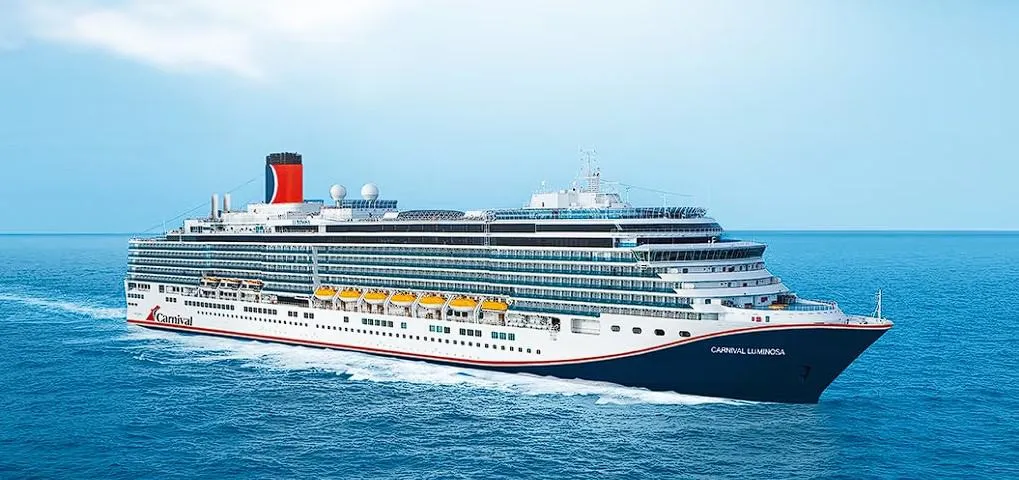
- Australian departures. Carnival Luminosa from Brisbane and Melbourne provides domestic-departure cruising. Disney has no Australian deployment.
Disney excels in:
- Entertainment quality. Original Broadway-calibre productions, character experiences, themed deck parties with fireworks, and first-run Disney films in dedicated cinemas. No other cruise line delivers entertainment at this level.
- Kids’ club programming. The Oceaneer Club and Oceaneer Lab are the industry benchmark, with themed spaces, character interactions, and supervised activities from age three to twelve. The It’s a Small World Nursery covers six months to three years.
- Rotational dining. A unique concept where dedicated serving staff follow your family through three themed restaurants over the voyage. Service personalisation that no other line replicates.
- Ship quality and maintenance. Every Disney ship is maintained to theme-park standards. The consistency across the fleet is higher than any other mainstream line.
- Private island destinations. Castaway Cay and Lookout Cay at Lighthouse Point are developed, managed, and maintained to Disney standards — a category above most cruise line private islands.
Standout itineraries for Australian travellers
Carnival Luminosa: South Pacific from Brisbane or Melbourne (7 to 10 nights, seasonal) — The only domestic-departure option in this comparison. South Pacific and New Zealand itineraries without international flights. Pricing from approximately AUD $800 per person for shorter sailings. The most practical and affordable family cruise option for Australians.
Carnival Celebration: Eastern Caribbean from Miami (7 nights, year-round) — The Excel-class experience with BOLT roller coaster, themed zones, and celebrity dining. Pair with a pre-cruise visit to Walt Disney World or Universal Orlando — the irony of combining a Carnival cruise with a Disney theme park visit is not lost, but it is a genuinely practical family holiday itinerary from Port Canaveral or Miami. Fares from approximately AUD $1,200 per person.
Disney Adventure: Southeast Asia from Singapore (short sailings, from March 2026) — The closest Disney embarkation point to Australia. An eight-hour flight from Sydney or Melbourne makes this dramatically more accessible than any US or European Disney departure. The ship features unique attractions designed for the Asian market. For Australian families wanting the Disney cruise experience without the gruelling US transit, this is the answer. Pricing and itinerary details for the launch season should be confirmed with your travel adviser.
Disney Wish: Caribbean from Port Canaveral (3 to 4 nights, year-round) — Disney’s newest purpose-built ship with AquaMouse water coaster, Arendelle, Worlds of Marvel, and 1923 themed restaurants, and the reimagined Oceaneer Club. Shorter sailings reduce the total cost of a Disney cruise and pair perfectly with a Walt Disney World holiday — Port Canaveral is an hour from Orlando. Three-night cruises from approximately AUD $1,800 per person, making this the most accessible Disney cruise price point.
Ship-by-ship recommendations
Carnival
Carnival Celebration or Carnival Jubilee (Excel class, 180,000 GT, approximately 5,200 guests) — The ships that prove Carnival can deliver spectacle alongside value. BOLT roller coaster, themed zones, Loft 19, Guy’s Burgers, Shaq’s Big Chicken, Emeril’s bistro. For families who want the most from Carnival, these Excel-class ships are the only choice.
Carnival Luminosa (92,000 GT, approximately 2,260 guests) — The Australian deployment ship. Fewer features than the Excel class but well-suited to shorter South Pacific sailings without international flights. An excellent first-cruise option for families testing the waters.
Mardi Gras (Excel class, 180,000 GT, approximately 5,200 guests) — From Port Canaveral, making it the natural pairing with a Walt Disney World or Universal Orlando holiday. The Chibang! restaurant is unique to this ship.
Disney
Disney Wish (approximately 4,000 guests) — Disney’s newest purpose-built ship with the most advanced version of the rotational dining concept, AquaMouse water coaster, and the reimagined Oceaneer Club. Choose for the latest Disney cruise experience from Port Canaveral, with short three- and four-night sailings offering the most accessible Disney price point.
Disney Treasure (approximately 4,000 guests) — The second Wish-class ship with themed design inspired by adventure and exploration. Original stage productions and dining venues distinguish it from Wish. Choose for seven-night Caribbean itineraries from Port Canaveral with a different thematic flavour.
Disney Adventure (Singapore, from March 2026) — The most accessible Disney ship for Australian travellers. Purpose-designed for the Asian market with unique attractions. Choose for the shortest flight path from Australia to a Disney cruise, and combine with a Singapore city stay.
Disney Fantasy (approximately 4,000 guests) — The larger of the Dream-class ships, sailing seven-night Eastern and Western Caribbean itineraries from Port Canaveral. A slightly older ship but beautifully maintained and offering the full Disney experience including Castaway Cay visits. Often available at lower per-night rates than the Wish-class ships.
For Australian travellers specifically
Both lines are fly-cruise propositions from Australia (with the exception of Carnival’s seasonal domestic deployment), and the practical logistics of reaching the ship shape the comparison in ways that are uniquely relevant to Australian families.
Carnival’s Australian programme through Carnival Luminosa from Brisbane and Melbourne provides the only domestic-departure option in this comparison. South Pacific itineraries at AUD $800 to $1,200 per person, no international flights, no visa complications, no jet lag. The P&O Cruises Australia legacy (absorbed into Carnival) means strong local brand awareness and an established Australian booking infrastructure. For Australian families wanting a mainstream cruise without the complexity of international travel, Carnival’s domestic programme is the practical choice.
Disney’s closest departure point for Australian families is now Singapore, with Disney Adventure launching in March 2026. An eight-hour direct flight from Sydney or Melbourne on Singapore Airlines, Qantas, or Scoot makes this dramatically more accessible than the traditional 20-plus-hour transit to Port Canaveral or Miami. A three- or four-night Disney cruise from Singapore combined with two or three nights in the city represents a complete family holiday at a fraction of the cost and travel time of a Caribbean Disney cruise. For Australian families who have always wanted the Disney cruise experience but balked at the US transit logistics, Singapore changes the equation entirely.
For Caribbean Disney sailings, Australian families should factor in return flights (AUD $2,000 to $3,500 per person to Florida via Los Angeles, Dallas, or San Francisco), potential US visa requirements (ESTA for eligible passport holders), a pre-cruise overnight in Port Canaveral or Miami, and jet lag recovery. The total transit investment is 40 to 50 hours of travel — not trivial for a seven-night cruise. Carnival’s equivalent Caribbean sailings require the same transit but cost significantly less per night, making the proportional travel burden easier to justify.
Booking timing matters differently. Disney cruises — particularly during Australian school holiday periods that overlap with US holiday periods — sell out months in advance. Carnival rarely sells out except on the newest ships during peak weeks. Australian families planning a Disney cruise should book 12 to 18 months ahead for the best cabin selection. Carnival allows more flexibility with booking windows of three to six months for most sailings.
The onboard atmosphere
The atmosphere difference between these lines is the most important factor for families with children — and it goes beyond entertainment programming to the fundamental character of the holiday experience.
Carnival’s atmosphere is the pool party. The energy is loud, social, and participatory. Adults drink at the poolside bar while children splash in the waterpark. The comedy club fills with laughter. Game shows create communal moments. The dress code is genuinely casual — board shorts and thongs at the pool, jeans and a clean shirt at dinner. The demographic is diverse: families, groups of friends, couples, and first-timers in roughly equal measure. The atmosphere is egalitarian and unpretentious. Nobody is performing sophistication, and the result is a holiday where fun is explicit, uncomplicated, and accessible.
Disney’s atmosphere is the theme park at sea. The energy is high but more managed — character appearances are choreographed, the deck parties are scripted with precision, and the entertainment flows according to a carefully designed schedule. The ships are quieter than you might expect: Disney attracts families who are there for the Disney experience, and the guest behaviour reflects the premium pricing — the demographic skews toward families who have invested significantly in this holiday and approach it with corresponding intention. The attention to detail is constant: hidden Mickeys in the metalwork, character artwork in the stairwells, subtle Disney music in the corridors. For children who love Disney, the immersion is total. For adults without a Disney connection, the pervasiveness can feel overwhelming.
For Australian families, the cultural fit depends on your family’s relationship with Disney. If your children are Disney-obsessed — if Frozen, Marvel, and Star Wars are the fabric of their imaginative lives — the Disney cruise atmosphere will create memories that define their childhood. If your family prefers a less branded, more spontaneous holiday, Carnival’s unstructured fun may prove more natural.
The bottom line
Carnival and Disney serve the same market — families — but deliver fundamentally different products at fundamentally different prices. The comparison is not about quality (Disney is more polished) or value (Carnival is cheaper) but about what kind of family holiday you are building. Both lines are excellent at what they promise. Neither pretends to be something it is not.
Choose Carnival for the best per-night value in family cruising. Choose it for Guy’s Burgers, the comedy club, the BOLT roller coaster, and a holiday where the fun is spontaneous and the atmosphere is unpretentious. Choose it for Carnival Luminosa from Brisbane and Melbourne — the ability to cruise without international flights. Choose it for shorter, cheaper sailings that make cruising accessible to families on tighter budgets. Choose it if you plan to cruise regularly rather than as a one-off event. Accept that the older ships feel dated, that the entertainment is participatory rather than polished, and that the atmosphere is louder and less curated than Disney.
Choose Disney for the best family cruise experience afloat. Choose it for Broadway-calibre original productions, rotational dining with serving staff who learn your children’s names, the Oceaneer Club that sets the industry standard, and private island destinations maintained to theme-park standards. Choose it for Disney Adventure from Singapore — eight hours from Sydney — if the US transit logistics have always been the barrier. Choose it for the once-in-a-lifetime family cruise where quality and memory-making matter more than per-night cost. Accept the premium pricing, accept that adults without a Disney connection may find the atmosphere overly branded, and accept that demand exceeds supply during school holidays, requiring early booking.
For many Australian families, the honest answer is both — Carnival for the annual family cruise from Brisbane or Melbourne, Disney for the once-in-a-decade bucket-list voyage from Singapore or Florida. The lines complement rather than compete, and understanding that distinction is the key to choosing correctly.