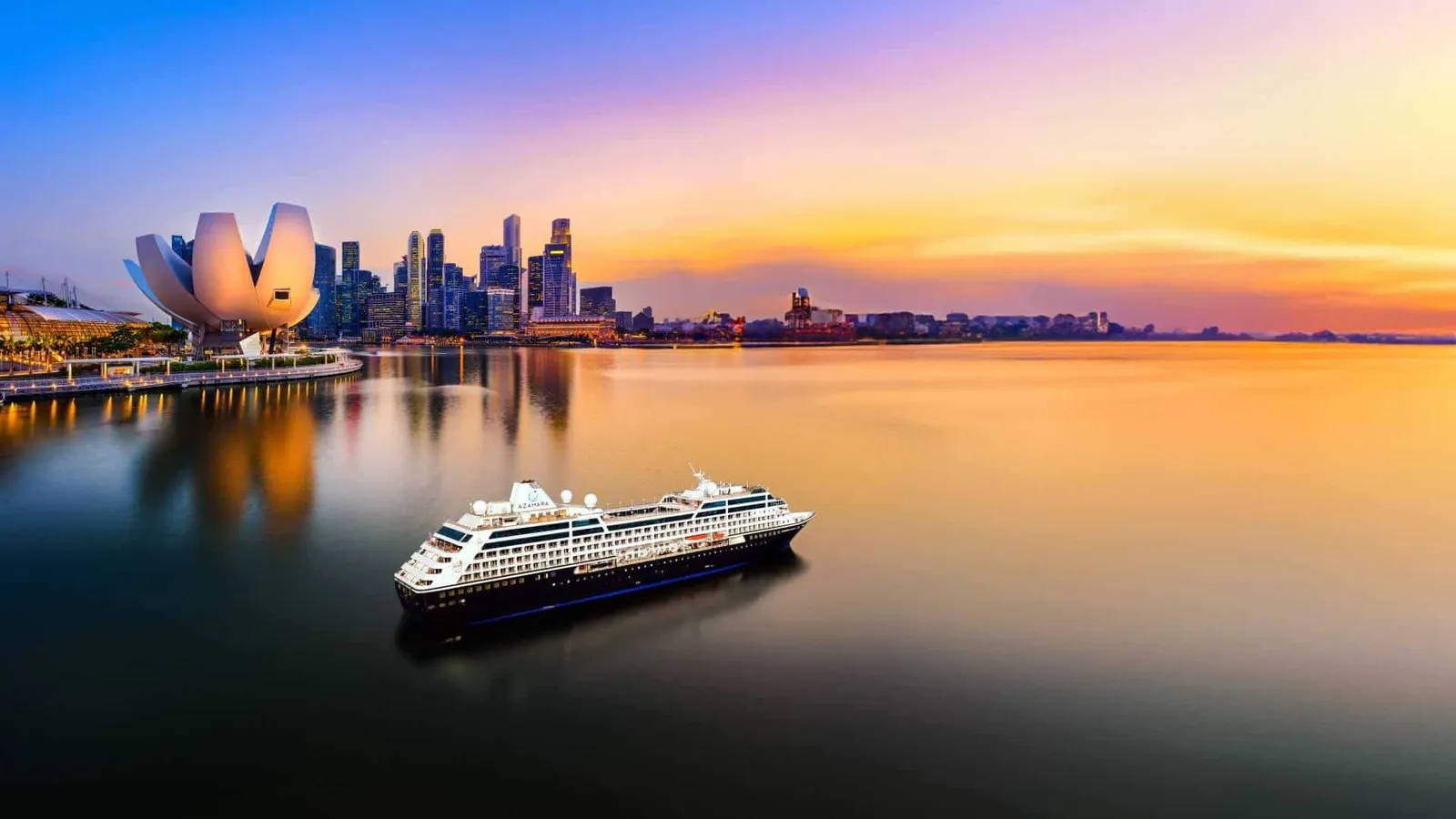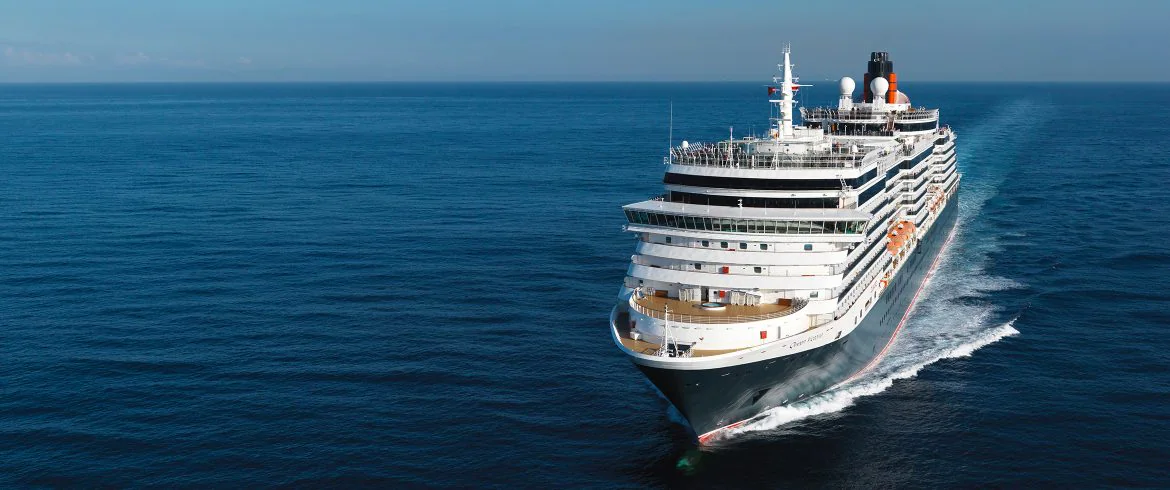
Cunard Line and Ponant are both steeped in European maritime heritage — one British, one French — but deliver it through entirely different philosophies. Cunard sails grand ocean liners with formal dress codes and 2,000-plus guests; Ponant sails boutique expedition ships with casual French elegance and under 270 guests. Jake Hower compares British tradition with French expedition luxury for Australian travellers drawn to heritage cruising.
| Cunard Line | Ponant | |
|---|---|---|
| Category | Luxury | Luxury / Expedition |
| Rating | ★★★★★ | ★★★★★ |
| Fleet size | 4 ships | 13 ships |
| Ship size | Mid to Large | Small (under 500) |
| Destinations | Global | Antarctica, Mediterranean, Arctic, South Pacific |
| Dress code | Formal evenings | Smart casual |
| Best for | Tradition lovers | French-inspired luxury expedition travellers |
Cunard is the right choice for travellers drawn to British maritime tradition, gala evenings, ballroom dancing, the Transatlantic Crossing on QM2, and the Grills butler service experience on grand ocean liners. Ponant is the stronger choice for travellers wanting French boutique luxury with genuine expedition capability — Le Commandant Charcot reaches the Geographic North Pole, the Kimberley programme is one of Australia's best, and the open bar with Henri Abele champagne flows all day. For Australian travellers specifically, Ponant's established Kimberley and French Polynesia programmes offer direct domestic access, while Cunard requires international flights. Both are heritage European lines, but one looks to the past and the other looks to the poles.
The core difference
Cunard Line and Ponant are both authentically European cruise lines with deep maritime heritage — and yet they represent opposite ends of the luxury cruise spectrum. One is the world’s grandest ocean liner company. The other is the world’s most capable luxury expedition fleet. Choosing between them reveals what kind of European heritage you value most.
Cunard’s heritage is British, formal, and grand. Founded in 1840, the line operates four ships carrying 2,061 to 2,996 guests. Queen Mary 2 is the only purpose-built ocean liner still in service. The brand identity centres on ceremony — Gala Evenings, ballroom dancing, white-gloved afternoon tea, and a class-separated dining hierarchy. The Grills ship-within-a-ship creates a genuine luxury enclave with butler service and bespoke dining. The Transatlantic Crossing is irreplaceable.
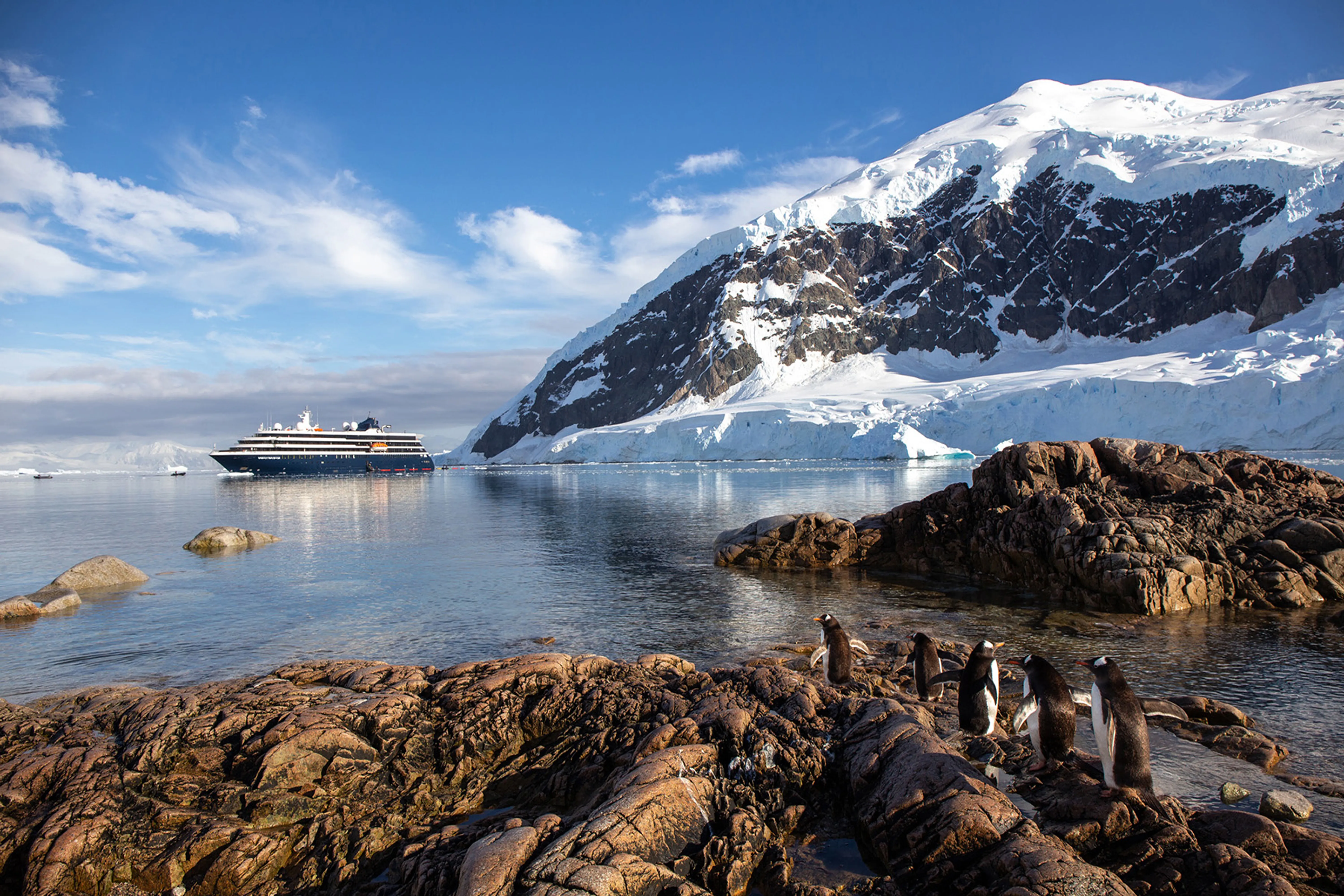
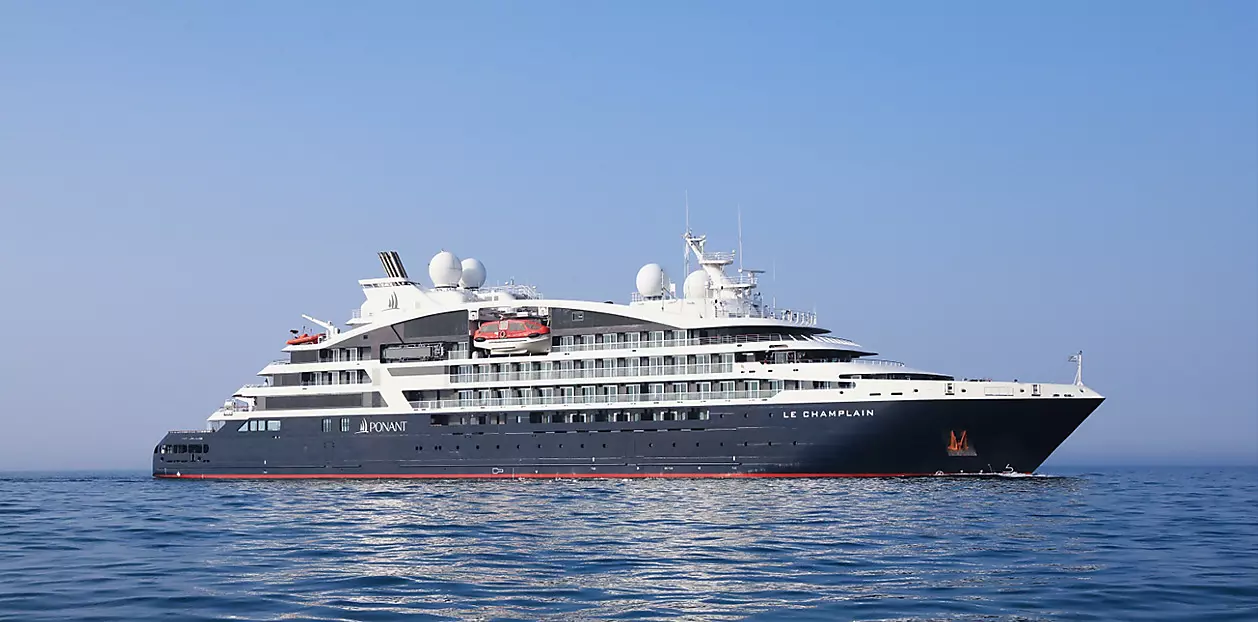
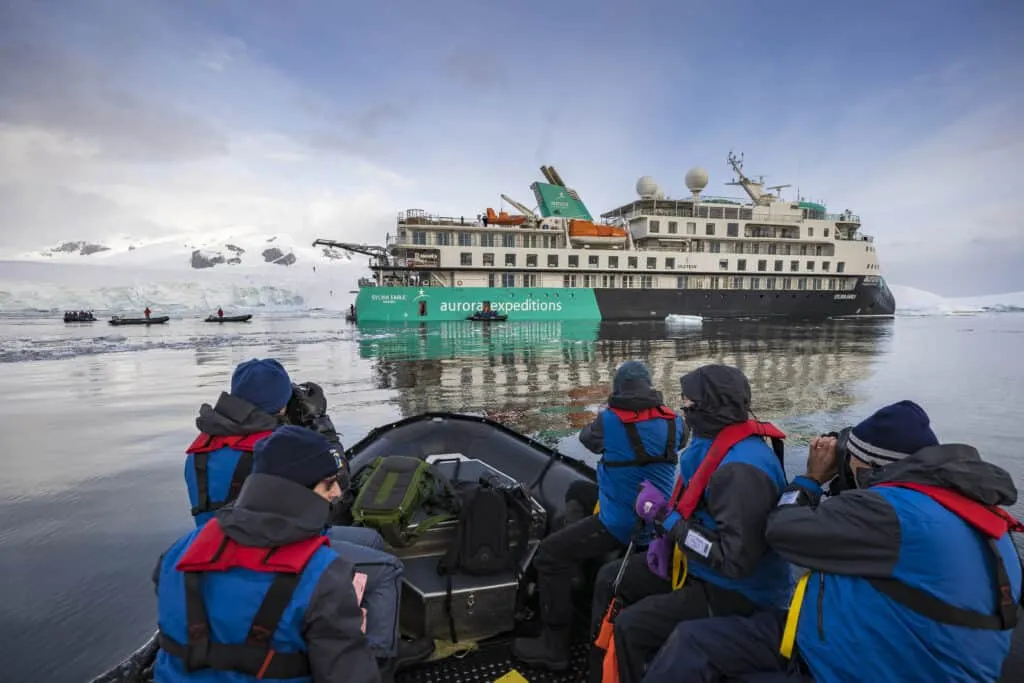
Ponant’s heritage is French, expeditionary, and intimate. Founded in 1988 by former French naval officers, the line operates thirteen ships carrying 32 to 264 guests. Le Commandant Charcot is the world’s only luxury icebreaker with PC2 ice class — capable of reaching the Geographic North Pole. Six Explorer-class ships carry Zodiac fleets and the Blue Eye underwater lounge. Ducasse-trained cuisine, an open bar with champagne, and Casual Chic dress code create French boutique luxury in the world’s most remote destinations.
For Australian travellers, the practical question is often decisive. Ponant operates extensive programmes in Australian waters — sixteen Kimberley sailings per season. Cunard requires international flights for virtually all itineraries. The destination access difference shapes the comparison as much as the onboard experience.
What is actually included
The inclusion models differ substantially, with Ponant offering a more comprehensive base fare.
Ponant’s fare covers: all dining, an open bar at all hours (beer, wine, spirits, Henri Abele Brut Champagne, coffee, and soft drinks), a daily-restocked minibar, unlimited Wi-Fi, and 24-hour room service. On expedition sailings — the Kimberley, Antarctica, French Polynesia — one guided excursion per port per day is included, covering Zodiac outings and expert-led activities. Gratuities are voluntary.
Cunard’s Britannia fare covers: accommodation, main restaurant dining, buffet meals, afternoon tea, basic beverages, entertainment, and gym access. Alcoholic drinks, speciality dining surcharges, Wi-Fi, shore excursions, spa access, and gratuities are extra. Grills suites add dedicated restaurants, lounges, and butler service — but Wi-Fi and excursions remain additional.
Ponant’s open bar alone represents significant daily value — champagne, spirits, and cocktails from morning to night. On expedition sailings, included excursions add further. Cunard’s Britannia base fare requires substantial additional spend to match Ponant’s inclusion level.
Dining and culinary experience
Both lines claim genuine culinary pedigree, but the approaches differ fundamentally.
Cunard offers up to 15 dining venues on Queen Anne. The dining hierarchy separates guests by cabin tier. Speciality restaurants carry surcharges. The afternoon tea in the Queens Room is the finest at sea. Queens Grill bespoke menus are exceptional. The scale allows tremendous variety.
Ponant’s Ducasse Conseil partnership focuses depth over breadth. On Explorer-class ships, Le Nautilus serves four-course dinners with regional French wines. Le Commandant Charcot’s Nuna restaurant — the first Ducasse restaurant at sea — is widely cited as one of the finest restaurants afloat, with Bernardaud porcelain and menus featuring soft-boiled eggs with caviar. Bread and pastries are boulangerie-quality. Pierre Herme macarons and Kaviari caviar appear fleet-wide. All dining is included, and wines flow with champagne throughout the day.
Cunard wins on variety. Ponant wins on concentrated French culinary excellence with included wines and champagne. The choice depends on whether you prefer ten restaurants to choose from or one outstanding French kitchen with unlimited champagne.
Suites and accommodation
The accommodation comparison reflects the vastly different ship sizes and purposes.
Cunard’s range spans Britannia Inside at approximately 152 square feet through to QM2’s Grand Duplex at 2,249 square feet. The Grills ship-within-a-ship delivers butler service, exclusive lounges, and bespoke dining.
Ponant’s Explorer-class Deluxe Balcony staterooms are 161 square feet of interior space plus a 43-square-foot balcony — compact by ocean ship standards but designed for expedition, where guests spend days on Zodiacs and at shore landings. Le Commandant Charcot is more generous — Prestige Staterooms start at 300 square feet plus a 55-square-foot balcony. Charcot’s Owner’s Suite spans 1,240 square feet of interior plus a 2,000-square-foot terrace.
Cunard offers larger cabins at equivalent price points on the main fleet. Ponant’s cabins are smaller but purpose-built for expedition voyaging where the destination, not the stateroom, is where you spend your time. Charcot’s top suites rival anything in the luxury segment.
Pricing and value
The pricing comparison reflects different markets and product categories.
Cunard’s per-diem for a Britannia Balcony on a 7-night Mediterranean voyage starts from approximately USD $196 per night. Grills suites command substantially higher fares.
Ponant’s per-diem varies enormously by ship and destination. Explorer-class Mediterranean sailings run approximately AUD $900 to $1,500 per person per night. Kimberley Fly, Stay and Cruise packages start from approximately AUD $14,850 per person for 10 nights including return flights, hotel, and all-inclusive cruise. Le Commandant Charcot polar voyages command a significant premium.
For Mediterranean itineraries where both lines compete, Cunard’s headline fare is lower but Ponant’s inclusions — open bar, Wi-Fi, sometimes excursions — partially offset the gap. For expedition destinations, no Cunard comparison exists — Ponant operates where Cunard cannot go.
Spa and wellness
Both lines offer spa facilities at scales appropriate to their ships.
Cunard’s Mareel Wellness and Beauty spa features comprehensive facilities on the larger ships — thermal suites, hydrotherapy pools, saunas, and treatments. Queen Anne has cryo-therapy and micro-needling. Thermal suite access carries surcharges.
Ponant’s spa offering varies by ship. Explorer-class vessels have compact spas with massage cabins and a hammam. The Blue Eye underwater lounge — two whale-eye-shaped glass portholes below the waterline with hydrophones capturing ocean acoustics — is a unique experiential space. Le Commandant Charcot features the Nuan Wellness Lounge with the Blue Lagoon heated outdoor pool where guests swim surrounded by polar ice.
Cunard offers more comprehensive traditional spa facilities. Ponant offers experiential wellness — swimming in heated water surrounded by Antarctic ice, listening to whale song through the hull — that no conventional spa can replicate.
Entertainment and enrichment
Both lines are enrichment-focused, but the content differs as sharply as the ships.
Cunard’s programme spans over 430 speakers, the RADA theatrical partnership, ballroom dancing, West End-style shows, the QM2 planetarium, and a casino. The enrichment fills sea days with intellectual content at scale.
Ponant’s enrichment is expedition-driven. Onboard naturalists, ornithologists, marine biologists, and historians deliver daily briefings. National Geographic and Explorers Club partnerships place expert speakers on select sailings. Zodiac excursions, shore landings, and citizen science programmes make the destination the curriculum. The Soiree Blanche white party on warm-climate sailings is a signature social event. Evening entertainment is intimate — a musical duo, conversation over champagne, stargazing.
Cunard fills the ship with programming. Ponant fills the day with the destination. Both are enrichment-forward — but Cunard’s is academic and theatrical while Ponant’s is field-based and expeditionary.
Fleet and destination coverage
The fleets serve fundamentally different markets with minimal overlap.
Cunard operates four large ocean liners sailing the Mediterranean, Northern Europe, Alaska, Caribbean, Transatlantic, and world voyages. QM2 at 149,215 gross tonnes is the largest.
Ponant operates thirteen ships ranging from the 32-guest Le Ponant sailing yacht to the 245-guest Le Commandant Charcot icebreaker. The fleet deploys across the Mediterranean, Kimberley, French Polynesia, Antarctica, the Arctic, subantarctic islands, Asia, and Papua New Guinea. Recent Aqua Expeditions acquisition adds Amazon, Mekong, and Galapagos.
Ponant’s destination range is actually broader than Cunard’s — reaching the Geographic North Pole, deep Antarctica, the Kimberley, and French Polynesia year-round. Cunard cannot access any expedition destinations. The lines overlap only in the Mediterranean and Northern Europe.
Where each line excels
Cunard excels in:
- The Transatlantic Crossing. QM2 Southampton to New York — the only scheduled ocean liner service in the world.
- British formal heritage. Gala evenings, ballroom dancing, and 185 years of tradition.
- The Grills ship-within-a-ship. Butler service and bespoke dining at the highest level.
- Enrichment scale. Over 2,000 talks per year and the RADA partnership.
Ponant excels in:
- Expedition capability. Le Commandant Charcot reaches the Geographic North Pole. Six Explorer-class ships carry Zodiac fleets. Antarctica, the Arctic, and the Kimberley are core destinations.
- French culinary excellence. Ducasse-trained cuisine with included open bar and champagne.
- The Kimberley. Sixteen sailings per season — one of the most comprehensive programmes in Australian waters.
- The Blue Eye lounge. The underwater multi-sensory experience on Explorer-class ships is unique in cruising.
Standout itineraries for Australian travellers
Cunard
QM2 Transatlantic Crossing (7 nights, Southampton to New York). The quintessential Cunard voyage — irreplaceable.
Queen Anne Northern Europe (14 nights, roundtrip Southampton). The newest Cunard ship exploring Scandinavia and the Baltic with gala evenings.
QM2 World Voyage segments through Sydney. Annual opportunities to join in Sydney for Asian, African, or European legs.
Ponant
Le Jacques Cartier: Kimberley (10 nights, Broome to Darwin, May-September). Fly, Stay and Cruise packages from approximately AUD $14,850 including return flights from Australian capitals. King George Falls, Montgomery Reef, and Indigenous cultural encounters.
Le Soleal: West Coast Odyssey (10 nights, Broome to Fremantle). New itinerary exploring Shark Bay, the Abrolhos Islands, and Murujuga National Park. Domestic flights only.
Le Jacques Cartier: French Polynesia (7-14 nights, roundtrip Papeete). Sixty-six departures across the Society Islands, Tuamotu, Marquesas, and Cook Islands. Direct Air Tahiti Nui flights from Sydney.
Le Commandant Charcot: Antarctica (various). The ultimate polar expedition on the world’s only luxury icebreaker.
Ship-by-ship recommendations
Cunard
Queen Mary 2 — For the Transatlantic Crossing and world voyages. The only purpose-built ocean liner still in service.
Queen Anne — The newest Cunard ship with the broadest dining. Best for Mediterranean and Northern Europe.
Ponant
Le Jacques Cartier — The most versatile ship for Australians, deployed to both the Kimberley and French Polynesia. Explorer-class with Blue Eye lounge and Zodiac fleet.
Le Commandant Charcot — For serious polar expedition only. PC2 ice class, Nuna restaurant, and access to destinations no other passenger ship can reach.
Le Soleal — Sistership-class, proven Kimberley performer. Slightly larger than Explorer-class at 264 guests.
For Australian travellers specifically
The accessibility comparison strongly favours Ponant for Australian-based travellers.
Ponant’s Australian operation is well established. The North Sydney office was built under Sarina Bratton AM. The Kimberley is Ponant’s second most popular cruise region for Australian guests. Fly, Stay and Cruise packages from five Australian capitals simplify booking. The 2026 West Coast Odyssey is a uniquely Australian product. Ponant runs Discovery Sessions in Australian cities with exclusive offers for local travellers.
Cunard has withdrawn from Australian homeporting. Queen Elizabeth’s final Australian season concluded in February 2025. Future access is limited to world voyage segments. Most Cunard voyages require flying to Southampton, New York, or other international ports.
For Australians wanting luxury cruising in Australian waters, Ponant’s Kimberley programme is one of the finest expedition products available domestically. Cunard has no equivalent Australian offering.
The onboard atmosphere
The atmospheres reflect their national characters as clearly as anything.
Cunard’s atmosphere is British ceremony at scale. Art Deco interiors, crystal chandeliers, gala evenings, ballroom dancing, the grand staircase descent. Over 2,000 guests in dinner jackets and evening gowns. The social performance is the evening’s centrepiece.
Ponant’s atmosphere is French intimacy. Under 270 guests, conversation in French and English, champagne flowing freely, the Captain visible at dinner. The Ducasse-trained cuisine, the wine list, the effortless elegance of a small French ship — refined without being stuffy. The passenger mix is approximately fifty per cent French, with the rest international. For Australians comfortable in bilingual environments, the atmosphere is distinctive and appealing.
Cunard is the British ball. Ponant is the French dinner party.
The bottom line
Cunard and Ponant are both heritage European lines — but the heritage points in opposite directions. One looks to the golden age of transatlantic travel. The other looks to the poles, the Kimberley, and the world’s most remote coastlines.
Choose Cunard for British maritime tradition, the Transatlantic Crossing, gala evenings, and the Grills ship-within-a-ship. Accept that Australian homeporting has ended, formal wear is required, and the fleet cannot reach expedition destinations.
Choose Ponant for French boutique luxury with genuine expedition capability. Choose it for the Kimberley, Antarctica, French Polynesia, Ducasse-trained cuisine, and an open bar with champagne. Choose it for thirteen ships reaching destinations Cunard cannot approach. Accept that cabins are smaller, per-diems are higher, and the passenger mix is predominantly French. For Australian travellers, Ponant’s Kimberley accessibility — Fly, Stay and Cruise packages from Australian capitals — is a decisive practical advantage. Cunard’s Transatlantic Crossing remains worth the international flight. The smartest travellers, in my experience, find room for both.