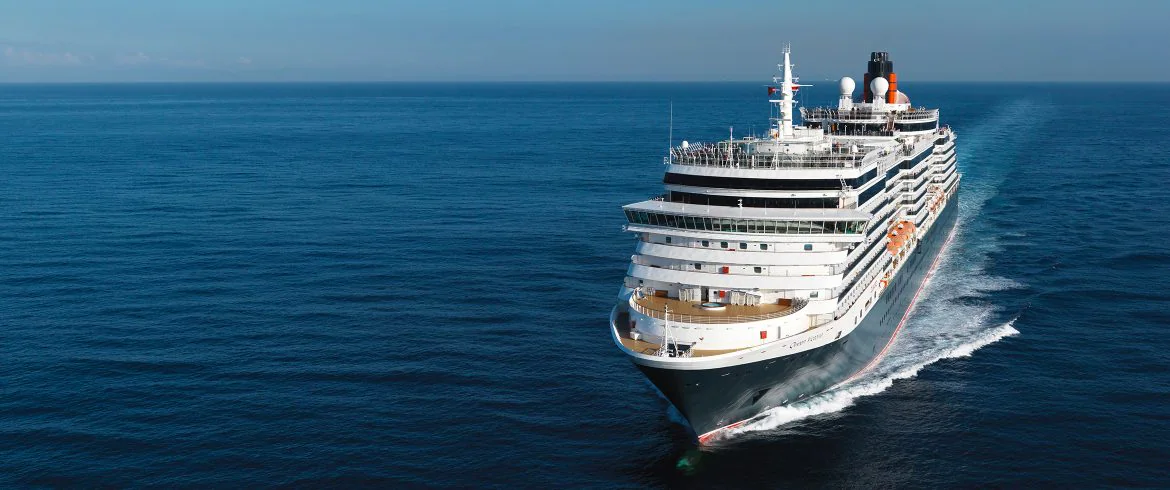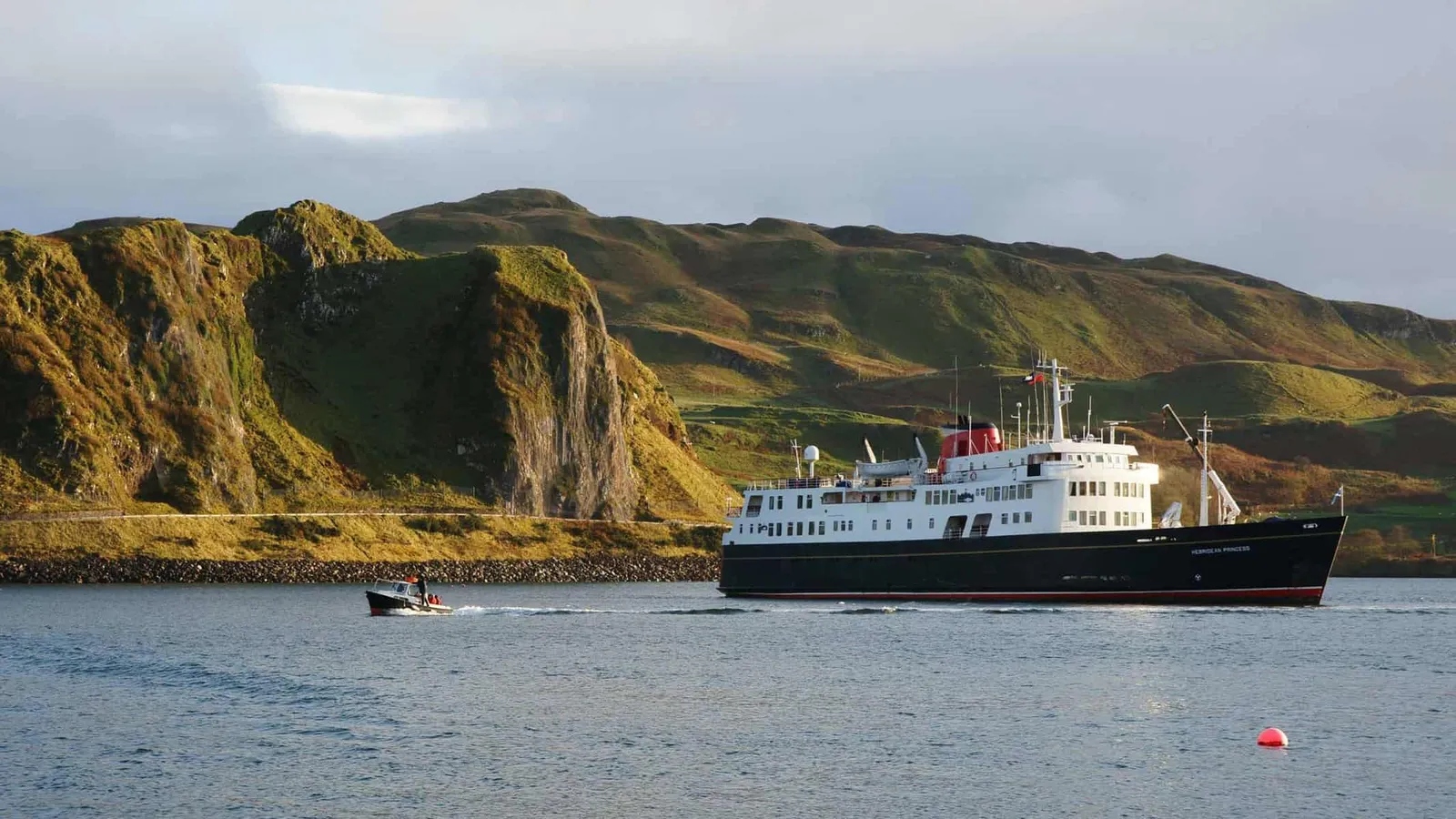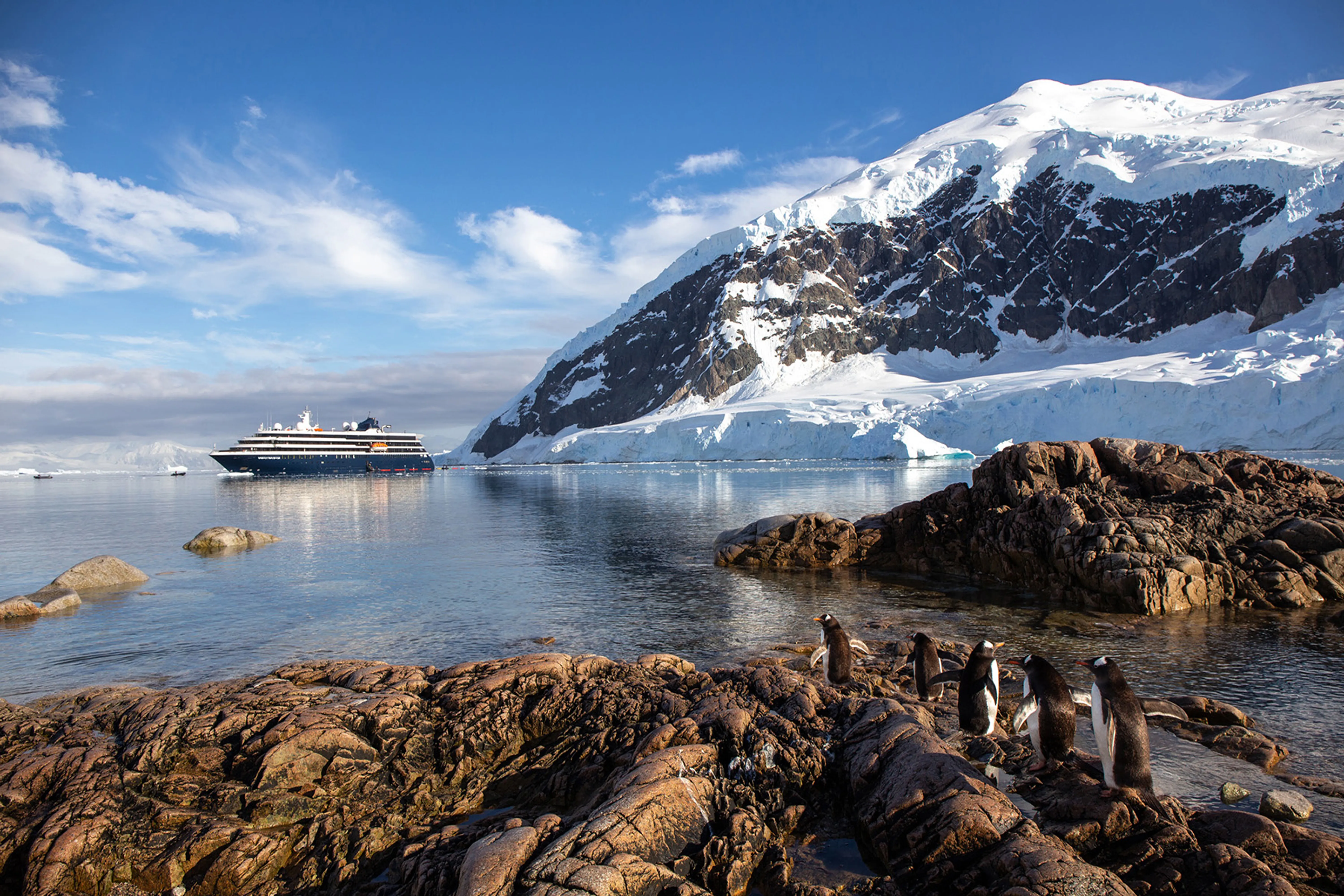
Atlas Ocean Voyages and Explora Journeys both operate small luxury ships, but the experiences are worlds apart — 196-guest polar expedition versus 922-guest resort-style mega-yacht. Atlas sends you to Antarctica with Zodiacs; Explora surrounds you with four swimming pools and nine included dining venues. Jake Hower compares these two modern luxury brands for Australian travellers.
| Atlas Ocean Voyages | Explora Journeys | |
|---|---|---|
| Category | Expedition / Luxury | Luxury |
| Rating | ★★★★☆ | ★★★★★ |
| Fleet size | 3 ships | 2 ships |
| Ship size | Small (under 500) | Small (under 1,000) |
| Destinations | Antarctica, Arctic, Mediterranean, Caribbean | Mediterranean, Caribbean, Northern Europe, Asia |
| Dress code | Resort casual | Casual elegance |
| Best for | All-inclusive luxury expedition travellers | Contemporary ultra-luxury ocean travellers |
Atlas and Explora represent luxury cruising's two poles: adventure and resort. Atlas delivers intimate expedition on 196-guest polar-class ships with included flights, Zodiac landings, and a focus on remote destinations most travellers will never reach. Explora delivers contemporary mega-yacht luxury on 922-guest all-suite ships with nine complimentary dining venues, four pools, and a 1.25:1 crew-to-guest ratio in spacious ocean terrace suites. Neither line has Australian departures. For Australians seeking expedition adventure, Atlas. For Australians seeking the most contemporary resort-style luxury afloat, Explora. Both require international flights — choose based on purpose, not logistics.
The core difference
Atlas Ocean Voyages and Explora Journeys both represent modern luxury cruising, but they point in completely opposite directions. One takes you to the edge of the world in a 196-guest expedition yacht. The other envelops you in resort-style mega-yacht luxury aboard a 922-guest all-suite vessel. The choice between them is not about quality — both deliver genuine luxury — but about purpose.
Atlas operates three Portuguese-flagged polar-class ships carrying approximately 196 guests each, with Zodiac fleets for shore landings in Antarctica, the Arctic, and remote coastal destinations. The fare includes roundtrip flights from North American gateways, premium drinks, Wi-Fi, gratuities, and butler service in suites. The experience is expedition-focused: daily Zodiac excursions, naturalist briefings, wildlife photography, and kayaking define the itinerary.
Explora Journeys is the luxury brand of MSC Group, backed by a EUR 3.5 billion investment with a planned fleet of six ships. EXPLORA I and II each carry 922 guests in 461 all-suite, all-balcony accommodations. Entry-level Ocean Terrace Suites span approximately 375 square feet plus a 75-square-foot terrace. Nine dining venues are included without surcharges. Four swimming pools, a 1.25:1 crew-to-guest ratio, and a casual elegance dress code create a resort atmosphere on water. EXPLORA III, powered by LNG, arrives in summer 2026.
For Australian travellers, neither line sails from local ports. Both require international flights. The decision reduces to a single question: do you travel for expedition adventure or for resort-style luxury?
What is actually included
Both lines market genuine all-inclusive luxury, and both deliver — though the specifics differ.
Atlas includes roundtrip flights from select North American gateways, premium alcoholic and non-alcoholic beverages, Wi-Fi, gratuities, L’Occitane amenities in every stateroom, butler service in suites, all dining across six venues, and Zodiac excursions. The flights inclusion is significant — expedition flights alone can cost US$1,000 to $3,000 per person.
Explora includes nine dining venues without surcharges (the most in the luxury segment alongside Oceania), premium beverages, Wi-Fi, gratuities, and butler service for penthouse and residence categories. Spa treatments, shore excursions, and flights are additional. The four swimming pools, fitness facilities, and entertainment programme are all included.
The key difference: Atlas includes flights but offers fewer dining venues. Explora includes nine restaurants but not flights. Both include premium drinks and gratuities. For Australian travellers, neither inclusion model covers the full journey from Australia — positioning flights must be budgeted separately for both lines.
Dining and culinary experience
The dining comparison highlights the different scales at which these lines operate.
Atlas offers six dining venues on 196-guest ships with regionally inspired menus reflecting expedition destinations. All dining is included with no surcharges. Premium beverages accompany every meal. The intimate ship size allows the kitchen to personalise — with fewer than 200 guests, dietary requests and preferences receive genuine individual attention. The atmosphere is resort casual throughout.
Explora offers nine dining venues on 922-guest ships, all included without surcharges. The breadth spans fine dining, Mediterranean, Asian, casual poolside, and speciality concepts. The 1.25:1 crew-to-guest ratio ensures attentive service despite the larger passenger count. The dining programme represents one of the most generous inclusion models in luxury cruising — nine restaurants with no surcharges is matched only by Oceania in the segment.
Explora wins decisively on dining variety and scale. Atlas wins on intimacy and personalisation. For food-motivated travellers who want a different restaurant every night, Explora’s nine-venue programme is compelling. For travellers who value a kitchen that knows their name and preferences, Atlas’s intimate format delivers.
Suites and accommodation
The accommodation comparison favours Explora on space and Atlas on expedition purpose.
Atlas staterooms are modern (launched from 2021) with L’Occitane amenities, balconies in most categories, and butler service in suites. Cabin sizes are appropriate for expedition — comfortable for rest and sleep, with the understanding that guests spend their active hours on Zodiacs, ashore, and in public spaces. The hardware is contemporary and well-designed.
Explora suites set a new benchmark for entry-level luxury accommodation. The Ocean Terrace Suite spans approximately 375 square feet of interior space plus a 75-square-foot private terrace — larger than many competitors’ mid-tier offerings. Ocean Penthouses offer approximately 560 square feet plus terrace. Ocean Residences at the top tier provide apartment-scale living. Butler service accompanies penthouse and residence categories. The 1.25:1 crew-to-guest ratio ensures attentive in-suite service. Every accommodation is a suite with a private balcony — there are no interior cabins and no ocean-view-only categories.
Explora delivers the more impressive accommodation by any objective measure of space and amenity. Atlas delivers accommodation designed for its purpose — expedition cabins on intimate ships where the destination, not the stateroom, is the primary draw.
Pricing and value
Both lines position in the luxury segment, but at different price points reflecting different propositions.
Atlas per-diems typically range from AUD $800 to $1,500 per person per night, with Antarctic and Arctic voyages commanding the highest premiums. The included flights from North American gateways offset a significant cost that competitors charge separately.
Explora per-diems position at the upper end of the luxury segment, typically ranging from AUD $900 to $2,000 per person per night depending on suite category, itinerary, and season. The nine included dining venues, four pools, and generous suite sizes justify the premium. As a newer brand building market awareness, introductory pricing and promotional offers can bring per-diems closer to Atlas levels.
Neither line represents accessible pricing. Both are luxury products commanding luxury rates. Atlas’s value proposition is expedition access with included flights. Explora’s value proposition is resort-style luxury with the widest complimentary dining programme in the segment. The value question is not “which is cheaper?” but “which delivers more of what you want?”
Spa and wellness
Both lines offer wellness facilities, but Explora’s larger ships allow significantly greater scale.
Atlas ships feature compact spas with L’Occitane products and an intimate treatment experience. The expedition programme itself provides active wellness — kayaking, hiking, Zodiac excursions, and wildlife observation. The ships are too small for extensive pool decks or thermal suites.
Explora ships feature four swimming pools (one of the highest ratios in the luxury segment), a comprehensive spa with treatment rooms, thermal facilities, and a fitness centre with ocean views. The pool deck and outdoor spaces are designed for resort-style relaxation — sunbathing, poolside dining, cocktails by the water. The spa programme includes a range of treatments in dedicated facilities that Atlas’s smaller ships cannot accommodate.
Explora wins on wellness infrastructure. Atlas wins on active wellness through expedition. For travellers who want poolside relaxation and spa treatments, Explora. For travellers who want their wellness through kayaking past icebergs, Atlas.
Entertainment and enrichment
The enrichment philosophies reflect the different purposes of each line.
Atlas delivers expedition-focused enrichment. Naturalists, expedition leaders, and wildlife photographers lead daily briefings, Zodiac excursions, and shore landings. The education is hands-on and destination-specific. Evenings are intimate and conversational aboard a 196-guest ship with no production shows.
Explora delivers resort-style entertainment and cultural programming. Live music, performances, and social events fill the evenings across multiple lounges and venues. Destination-focused talks and cultural programming complement the itinerary. The larger ship allows a broader entertainment programme — though Explora deliberately avoids the mega-ship production show format in favour of sophisticated, social-scale entertainment.
Atlas makes the destination the show. Explora creates an onboard atmosphere where the ship itself is part of the experience. Both avoid forced entertainment — neither line produces Broadway-calibre revues, and both cater to travellers who prefer authentic engagement over scripted spectacle.
Fleet and destination coverage
The fleet strategies reflect different growth trajectories and destination philosophies.
Atlas operates three polar-class expedition ships (approximately 196 guests each) covering Antarctica, the Arctic, the Mediterranean, the Caribbean, and Central America. The compact fleet focuses on destinations that leverage polar-class capability and Zodiac fleets. Atlas Adventurer (luxury sailing yacht, 200 guests) is expected in 2028.
Explora currently operates two ships (EXPLORA I and II, 922 guests each) with EXPLORA III arriving summer 2026 and a planned fleet of six ships. Current destinations include the Mediterranean, Caribbean, and Northern Europe, with Asia and Alaska planned from 2027. The ambitious build programme backed by MSC Group’s EUR 3.5 billion investment signals rapid fleet expansion.
Atlas reaches destinations Explora cannot — polar regions and remote expedition coastlines. Explora offers the resort-style luxury experience that Atlas’s expedition ships are not designed to deliver. As Explora expands into Asia and Alaska, the destination coverage will broaden substantially, potentially bringing the brand closer to Australian travel patterns.
Where each line excels
Atlas Ocean Voyages excels in:
- Polar expedition. Antarctica and Arctic voyages with Zodiac landings on remote beaches. No Explora ship can reach these destinations.
- Included flights. Roundtrip flights from North American gateways represent significant value in the expedition segment.
- Ultra-intimacy. At 196 guests, the expedition team knows every passenger. The social dynamic is fundamentally different from a 922-guest ship.
Explora Journeys excels in:
- Resort-style luxury. Four pools, nine included dining venues, and spacious all-suite accommodation create a contemporary luxury resort afloat.
- Suite size. Entry-level suites at 375 square feet plus terrace set a new benchmark for the luxury segment.
- Dining breadth. Nine complimentary restaurants offering the widest dining choice in luxury cruising.
- Growth trajectory. MSC Group backing and a planned six-ship fleet signal a major luxury brand build-out.
Standout itineraries for Australian travellers
Atlas Ocean Voyages
Antarctica Expedition (10–14 nights from Ushuaia) — Zodiac landings on the Antarctic Peninsula with included flights from North American gateways. The quintessential Atlas experience.
Arctic and Svalbard (10–14 nights, summer) — Polar expedition in the northern hemisphere. Midnight sun, glaciers, and Arctic wildlife on an intimate 196-guest ship.
Explora Journeys
Mediterranean Grand Voyage (14–21 nights) — The Explora experience at its finest: nine dining venues, four pools, and spacious suites sailing the Mediterranean coast. The resort-style luxury format suits extended Mediterranean voyages.
Northern Europe (10–14 nights) — Baltic capitals and Norwegian coast aboard EXPLORA I or II. Cultural destinations paired with contemporary luxury.
Asia 2027 — Explora’s planned Asian deployment will bring the brand closer to Australian travel patterns. Watch for announcement details and introductory pricing.
Ship-by-ship recommendations
Atlas Ocean Voyages
World Navigator, World Traveller, or World Voyager (196 guests each) — Sister ships with identical specifications. Choose based on itinerary and dates. All polar-class with Zodiac fleets and L’Occitane amenities.
Explora Journeys
EXPLORA I or II (922 guests, 461 suites) — The current flagship pair offering nine dining venues, four pools, and all-suite accommodation. Virtually identical in specification.
EXPLORA III (arriving summer 2026) — LNG-powered and potentially larger, representing the next generation of the Explora fleet. Introductory sailings may offer promotional pricing.
For Australian travellers specifically
Neither line has an established Australian presence, which places both in the “fly-to-cruise” category for Australian travellers.
Atlas requires flights to North American or European gateways, with the fare including connecting flights from gateway cities to embarkation ports. No Australian office, no local representation.
Explora requires flights to Mediterranean, Caribbean, or Northern European ports. The MSC Group parent has a growing Australian presence through MSC Cruises, which may eventually provide local booking infrastructure for Explora. The planned Asian deployment from 2027 could reduce the flight burden for Australians.
For both lines, Australian travellers should budget for international positioning flights and pre-cruise accommodation. Neither offers the convenience of boarding from an Australian port. The practical question is whether the destination (Atlas) or the onboard luxury experience (Explora) justifies the journey.
The onboard atmosphere
The atmospheric difference between these lines reflects their fundamentally different purposes.
Atlas is an expedition base camp. One hundred and ninety-six guests in expedition gear, gathering for naturalist briefings, boarding Zodiacs, and returning to share stories over included premium drinks. The atmosphere is purposeful, adventurous, and intimate. Fellow passengers are well-travelled and drawn to places most people will never see. Resort casual dress code throughout.
Explora is a floating luxury resort. Nine hundred and twenty-two guests in casual elegance, moving between four pools, nine restaurants, and multiple lounges. The atmosphere is sophisticated, relaxed, and contemporary — designed for travellers who want modern luxury without the formality of heritage lines. The 1.25:1 crew-to-guest ratio ensures personalised service despite the larger scale.
Both lines attract affluent, well-travelled guests. The difference is mindset — Atlas passengers want to do something extraordinary; Explora passengers want to experience something extraordinary. Action versus ambience. Both are valid luxury desires; neither is better than the other.
The bottom line
Atlas Ocean Voyages and Explora Journeys represent luxury cruising’s two fundamental propositions: expedition adventure and resort-style comfort.
Choose Atlas for intimate polar expedition on 196-guest ships with comprehensive all-inclusive packaging. Choose it for Zodiac landings in Antarctica, wildlife encounters in the Arctic, and the included flights that offset significant expedition travel costs. Accept the compact fleet, the expedition-sized cabins, and the absence of resort-style facilities.
Choose Explora for the most contemporary resort-style luxury afloat — all-suite accommodation from 375 square feet, nine complimentary dining venues, four pools, and a crew ratio that ensures attentive service. Choose it for the casual elegance atmosphere and the ambitious fleet expansion backed by EUR 3.5 billion. Accept that there is no expedition capability, that flights are not included, and that the brand is still building its reputation and itinerary range.
Neither line sails from Australia. Both require commitment to international travel. The choice reduces to what you want when you arrive: an expedition into the unknown, or a luxury resort on the ocean. Both deliver their respective promises with genuine excellence.